How to prevent tooth decay: brushing, fluoride, diet and check-ups
Tooth decay forms when bacteria in plaque turn sugars into acid that gradually dissolves enamel, so prevention rests on removing plaque regularly, strengthening enamel with fluoride and reducing how often you have sugary foods. Brushing twice a day with fluoride toothpaste, cleaning between the teeth once a day and limiting snacks can lower the risk of decay considerably. Decay risk varies from person to person; regular check-ups help early decay be managed with simpler methods.
How does decay form?
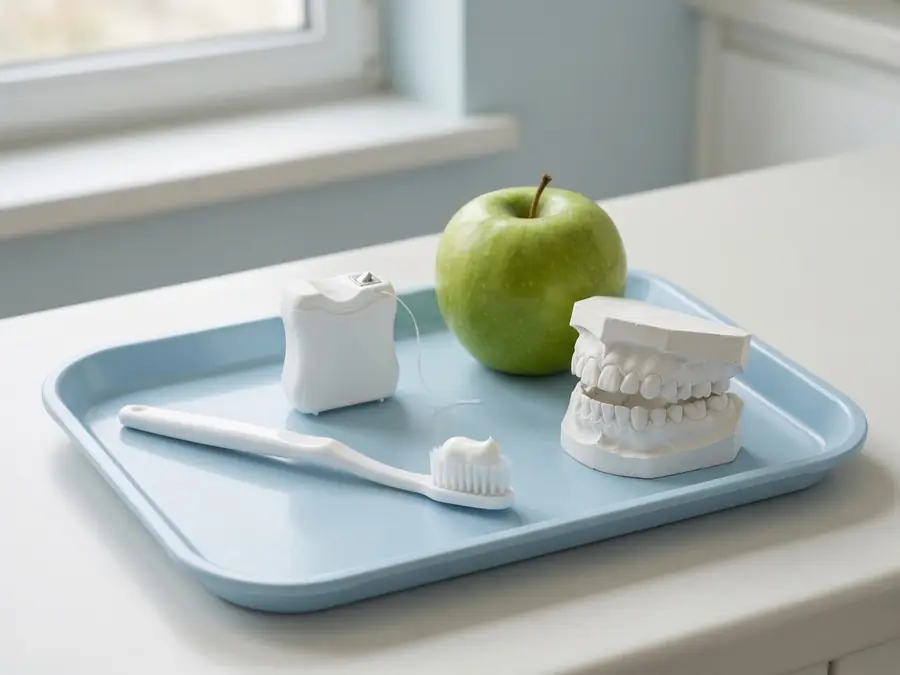
Bacteria in plaque turn the sugars and starches we eat into acid, which draws minerals out of the enamel. Saliva partly repairs this loss after a while; but if acid attacks happen too often, repair cannot keep up and the enamel gradually breaks down into a cavity. We describe the signs and stages in signs and stages of tooth decay.
What you can do at home
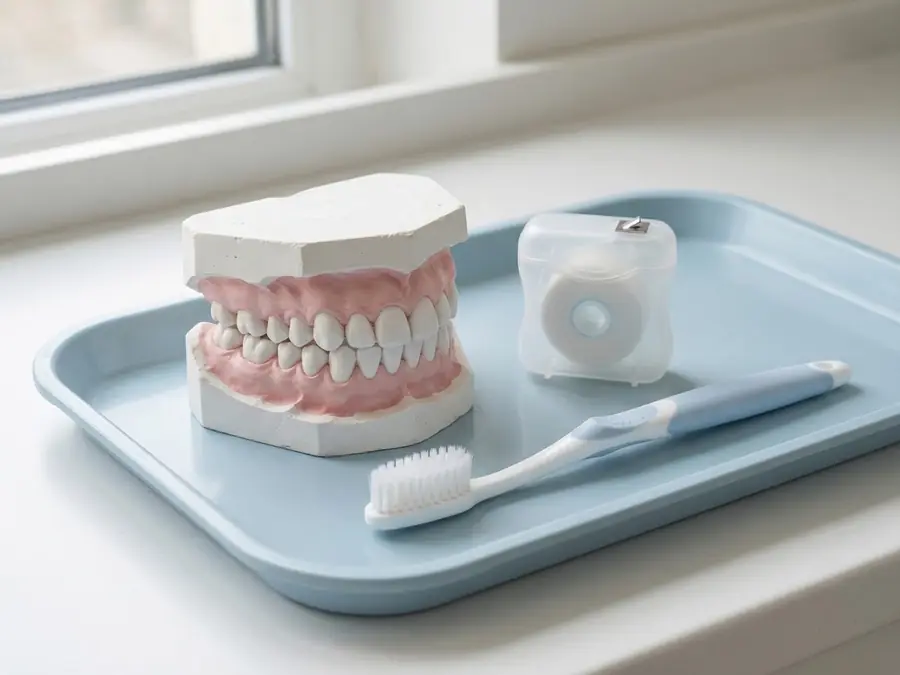
- Brush twice a day with fluoride toothpaste. Spitting out the toothpaste rather than rinsing heavily may help fluoride stay on the teeth. See is fluoride harmful.
- Clean between your teeth once a day. A large share of cavities start between the teeth, where a brush cannot reach. See decay between teeth and how to floss.
- Do not skip brushing at night. Saliva flow drops during sleep, leaving teeth more vulnerable.
- Replace your brush regularly. See when to replace your toothbrush.
In diet, how often matters more than how much
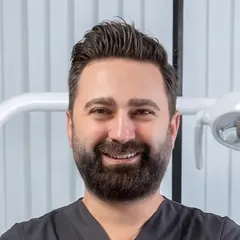 Dr. Hüseyin AşcıFounding dentist, Dent32 Beylikdüzü
I ask patients less about how much sugar they have and more about how often. Sweet tea sipped through the day or frequent snacking exposes the teeth to acid again and again. Having sweets with a meal and drinking water in between is a small but effective change.
Graduate of Istanbul University Faculty of Dentistry; works mainly on implants, All-on-4 and All-on-6, zirconia crowns and veneers. About Dr. Hüseyin Aşcı
| Habit | Effect on decay |
|---|---|
| Sipping sugary drinks through the day | Teeth face acid constantly; risk goes up |
| Frequent snacking (crackers, biscuits, dried fruit) | Sticky and starchy foods stay on the teeth longer |
| Having sweets with a main meal | Fewer acid attacks |
| Drinking water between meals | Helps clean the mouth and supports saliva |
| Sugar-free gum after meals | May increase saliva flow; see is sugar-free gum good for teeth |
Waiting 30–60 minutes after acidic drinks (fizzy drinks, fruit juice) before brushing may help protect the enamel; see when to brush after eating.
Preventive treatments at the clinic
- Fluoride varnish: helps strengthen the enamel surface; can be applied especially for children and people at higher risk.
- Fissure sealants: the deep grooves on the chewing surfaces of molars are sealed with a thin material, mostly in children. See fluoride and fissure sealants for children.
- Scaling: reduces the areas where plaque can cling. See scaling and polishing.
- Monitoring early decay: early lesions that look like chalky white spots on the enamel can sometimes be stopped with fluoride and good care.
Who is at higher risk?
- People with a dry mouth (some medicines, mouth breathing); see dry mouth.
- People with braces, bridges or removable dentures.
- People whose root surfaces are exposed by gum recession.
- Babies who drink milk or juice from a bottle at night; see baby bottle tooth decay.
- People who snack often and drink sugary drinks.
For them, shorter check-up intervals or extra fluoride treatments may be suggested.
How often do you need a check-up?
For most people a check-up every 6 or 12 months may be enough; the interval can be shortened for those at higher risk. The teeth are examined and, if needed, X-rays are taken to see decay between the teeth. On X-ray safety, see are dental X-rays harmful.
The right interval and preventive treatments vary from patient to patient.
Dent32 is at Barış Mah., Ginza Lavinya, E-5 Yanyolu No:30 D:179, 34520 Beylikdüzü, Istanbul and is open Monday to Saturday, 9:00–22:00. To book, call or WhatsApp +90 555 011 33 68, or use our contact page. At the examination we share the findings, the options and the approximate cost in writing; you are under no obligation to start treatment afterwards.
Frequently asked questions
Can tooth decay be prevented?
The risk can be lowered considerably. Regular brushing with fluoride toothpaste, cleaning between the teeth, having sugar less often and regular check-ups are the most effective steps.
Can early decay go away on its own?
Early decay that appears as white spots on the enamel can sometimes be stopped with fluoride and good care. Once the enamel has broken down into a cavity, a filling or similar treatment is needed.
Should I rinse after brushing?
Spitting out the toothpaste is enough; rinsing heavily with water can reduce the effect of fluoride. It is a matter of habit, so do what feels comfortable.
Does sugar-free gum prevent decay?
Chewing sugar-free gum after meals may help by increasing saliva flow, but it does not replace brushing.