

Dent32 · Dental clinic in Beylikdüzü
Gum treatment in Beylikdüzü
Cleaning and periodontal treatment for bleeding, receding or inflamed gums.
About gum treatment
Gum disease often starts without pain: bleeding when brushing, bad breath and red gums are the first signs. Left untreated, the bone supporting the teeth can be lost over time and teeth start to loosen.
Treatment begins with removing tartar and smoothing the root surfaces. Advanced cases may need periodontal surgery. Healthy gums are also a prerequisite for successful implant, crown and orthodontic treatment.
Who is it for?
- People whose gums bleed when brushing
- Those who notice gum recession or loose teeth
- Patients who need a gum check before implant or aesthetic treatment
How does it work?
- Gum measurements and X-rays
- Scaling and root planing
- Home-care coaching
- Re-assessment and further treatment if needed
- Regular maintenance visits
After treatment
- The gums may be tender and bleed a little for a few days after deep cleaning.
- Brushing twice a day and cleaning between the teeth (floss or interdental brushes) are essential to keep the result.
- Smoking is one of the main risk factors for gum disease; stopping supports healing.
- After gum treatment, check-ups are usually every 3–6 months.
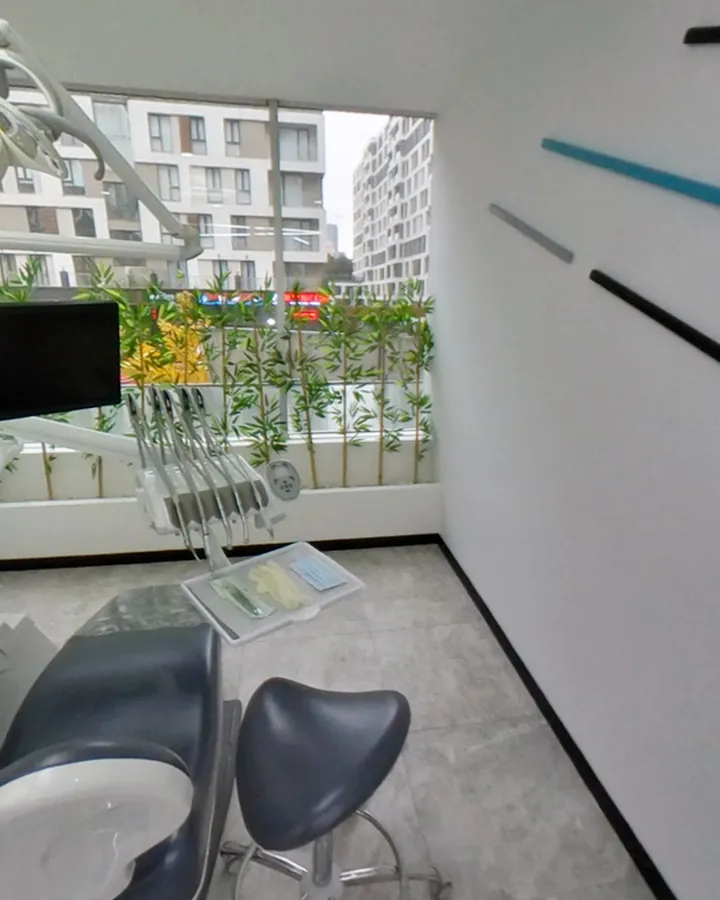
Results of any surgical or interventional procedure may vary from person to person. You are advised to obtain a detailed opinion from your dentist before any procedure.
FAQ
Common questions about gum treatment
The right treatment for you can only be decided after an examination. If your question isn't answered here, message us on WhatsApp and our dentists will reply.
My gums bleed when I brush; is that normal?
No, healthy gums don't bleed when brushed. Bleeding is usually the first sign of gum inflammation (gingivitis). At this stage it usually reverses completely with scaling and good home care.
Does scaling damage the enamel?
No. Properly done cleaning doesn't wear the enamel; it only removes hardened plaque and tartar from the tooth surface. There may be temporary sensitivity afterwards.
Do receding gums grow back?
Receded gums don't grow back on their own, but the recession can be stopped. In suitable cases a soft tissue graft can cover the exposed root surface.
What is deep cleaning (root planing)?
Cleaning tartar and bacteria from inside the gum pockets, below the gum line, under local anaesthetic. It helps the gum reattach to the tooth; advanced cases may need surgical treatment.
Can gum disease cause tooth loss?
Untreated periodontitis destroys the bone that holds the teeth, which can make them loose and lead to their loss; it is also linked with diabetes and heart disease. Early diagnosis and treatment help protect the teeth.
Guides
Articles on gum treatment
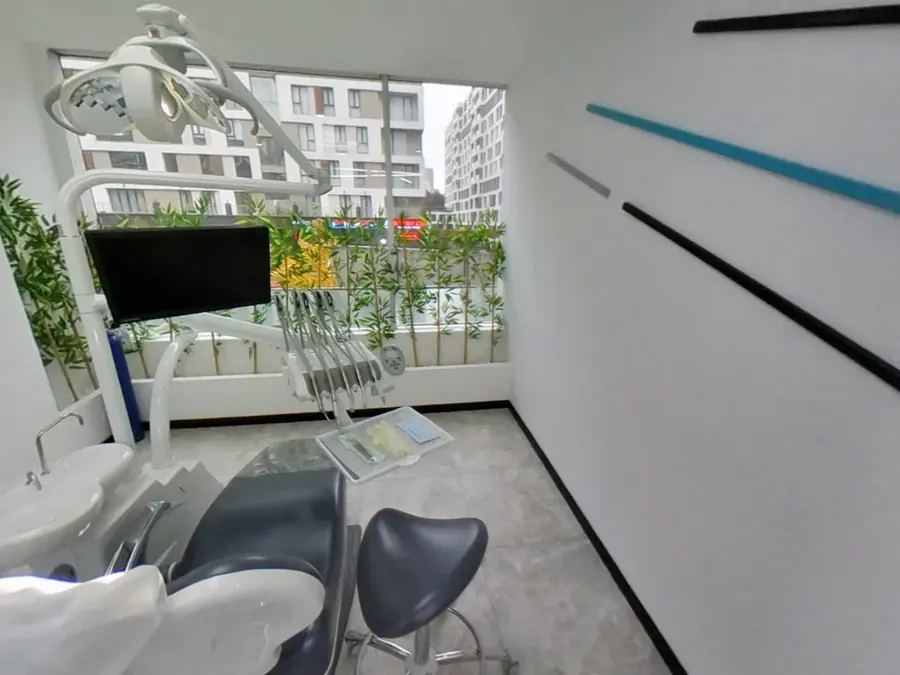
Treatment
Bleeding and receding gums: causes and treatment
Why gums bleed and recede. Signs of gingivitis and periodontitis, scaling, root planing, treatment for gum recession and home care.

Treatment
Gum treatment in Beylikdüzü: bleeding, recession and deep cleaning
Gum treatment in Beylikdüzü, Istanbul: causes of bleeding and receding gums, gingivitis versus periodontitis, deep cleaning, the effect of smoking and diabetes, home care and check-up intervals.
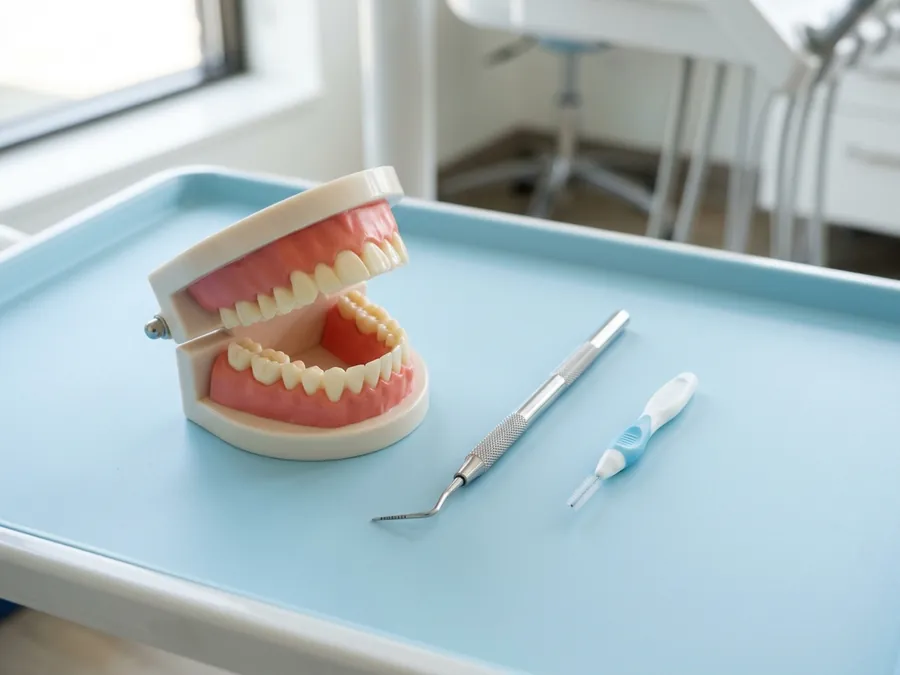
Treatment
Good gum treatment: a plan that stops bleeding and protects your teeth in Beylikdüzü
What should good gum treatment include? Pocket measurement, deep cleaning, surgery where needed and regular maintenance. Periodontal treatment for bleeding and receding gums at Dent32.
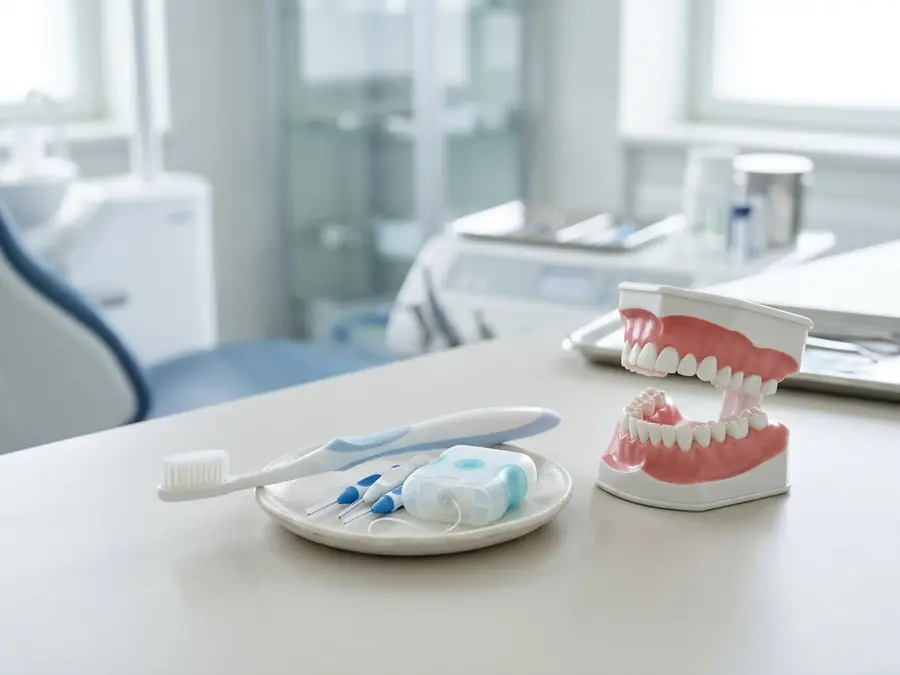
Treatment
How to get rid of gum inflammation: symptoms, home care, sore gums and treatment
Gum inflammation (gingivitis) starts with bleeding when brushing, redness and swelling, and fully reverses in its early stage. What to do at home, why gums get sore and when you need treatment.
Treatment
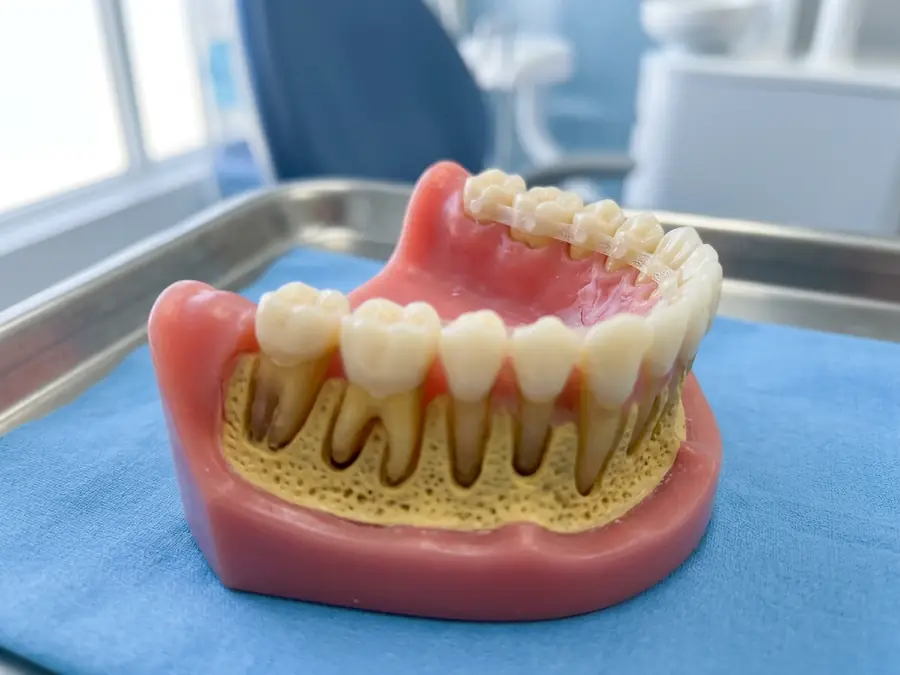
Gum pockets and bone loss: pocket reduction and tissue regeneration
What is a gum pocket and how many millimetres is normal? Treating deep pockets: scaling and root planing, flap surgery, guided tissue regeneration and bone grafts. Gum treatment at Dent32 in Beylikdüzü.
Treatment
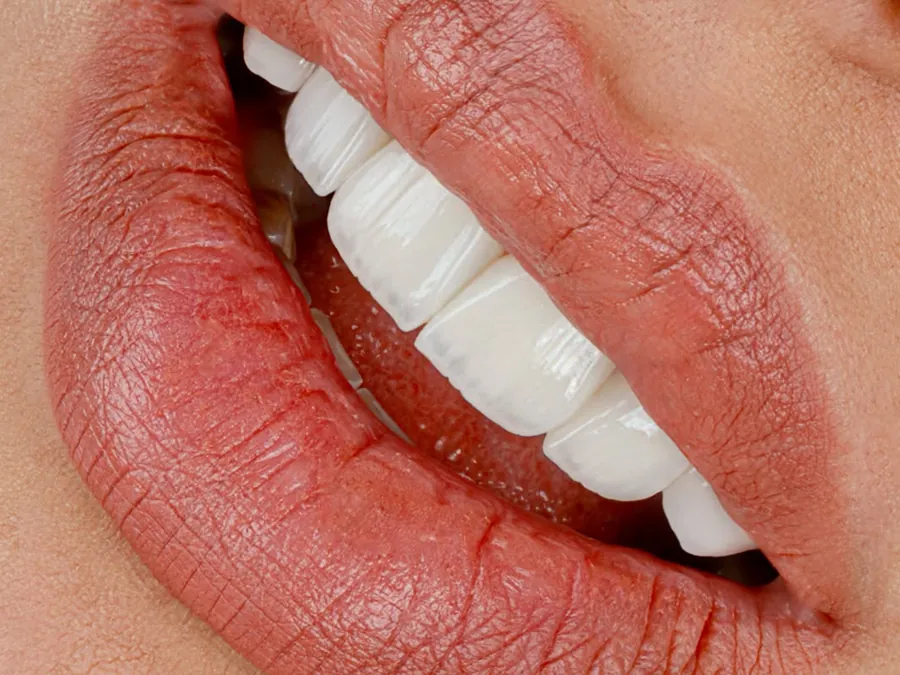
Why do adult teeth become loose? Gum disease, injury, clenching and treatment
A loose tooth in an adult is often a sign of advanced gum disease. Other causes: injury, clenching, abscess, pregnancy. Can a loose tooth be saved, what is splinting and when is it urgent?
- Scale and polish in Beylikdüzü: how often should you have it, and does it hurt?
- Does professional teeth cleaning damage enamel? How often should you have it?
- What causes bad breath and how do you get rid of it for good?
- Gum infection around a wisdom tooth (pericoronitis): swelling, trouble opening the mouth and treatment
- What smoking does to your teeth and gums: stains, gum disease and your mouth after quitting
Treatments
Other treatments
Dental implants
A titanium screw placed in the jawbone to replace a missing tooth, with a permanent tooth on top.
DetailsZirconia and porcelain crowns
Crowns that protect worn, broken or discoloured teeth and restore their appearance.
DetailsSmile design
A plan for the length, shape and colour of your teeth, based on your facial proportions, that you can see in advance.
DetailsClear aligner orthodontics
Straightening crowded or gapped teeth with removable clear aligners.
DetailsTeeth whitening
Dentist-supervised lightening with gels at a strength suited to your teeth and gums.
DetailsRoot canal treatment
Cleaning out an inflamed or infected nerve so the tooth can be kept.
DetailsDental care for children
Preventive care from the first baby teeth, in a calm setting with child-friendly explanations.
DetailsNext step
Let's talk first, then plan.
Message us on WhatsApp or book an appointment. In the first conversation we listen to you, and after the examination we explain the options with their pros and cons. There's no rush to start treatment.
- A thorough examination and any imaging needed
- Options, risks and alternatives explained clearly
- An itemised written treatment plan and cost
- Follow-up appointments after treatment