

Dent32 · Dental clinic in Beylikdüzü
Root canal treatment in Beylikdüzü
Cleaning out an inflamed or infected nerve so the tooth can be kept.
About root canal treatment
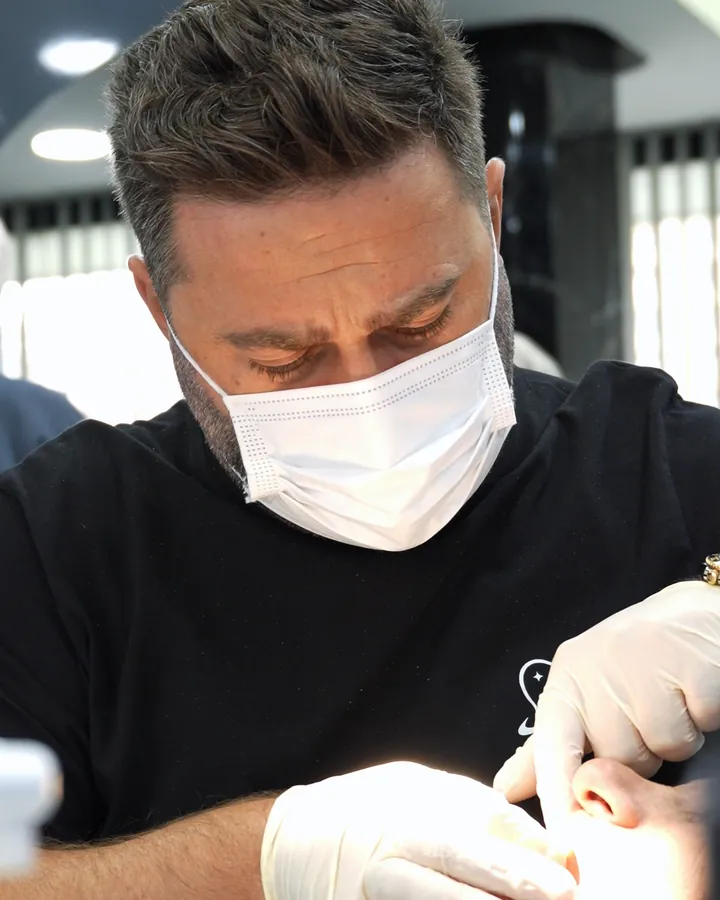
When decay or trauma reaches the pulp, the nerve tissue can become inflamed. In root canal treatment this tissue is removed, the canals are shaped and disinfected, and then sealed with a filling material. The aim is to save the tooth rather than extract it.
The procedure is done under local anaesthetic, and most patients feel no significant pain during treatment. Because root-treated teeth can become brittle over time, a crown is often recommended, especially for back teeth.
Who is it for?
- People with lingering sensitivity to hot and cold, or night-time pain
- Those with an abscess or swelling
- Teeth showing inflammation at the root tip on X-ray
How does it work?
- Examination and X-ray
- Local anaesthetic and cleaning the canals
- Filling the canals
- Restoring the tooth with a filling or crown
- Follow-up X-ray
After treatment
- Don't eat until the numbness has worn off.
- Mild tenderness for a few days is possible; call the clinic if there is swelling or the pain gets worse.
- Don't bite on anything hard with the tooth until the permanent filling or crown is in place.
- For back teeth, a crown is often recommended after root canal treatment to prevent fracture.
Results of any surgical or interventional procedure may vary from person to person. You are advised to obtain a detailed opinion from your dentist before any procedure.
FAQ
Common questions about root canal treatment
The right treatment for you can only be decided after an examination. If your question isn't answered here, message us on WhatsApp and our dentists will reply.
Does root canal treatment hurt?
It is done under local anaesthetic, and most patients describe a feeling similar to having a filling. There may be some tenderness for a few days afterwards, which is usually controlled with painkillers.
How many visits does a root canal take?
Many teeth can be finished in a single visit. Severe inflammation, an abscess or a tooth that needs retreatment may take two or more visits.
Couldn't the tooth just be taken out instead?
Extraction is always an option, but the tooth then needs replacing with an implant or bridge, and the neighbouring teeth can drift over time. If a tooth can be saved, root canal treatment is usually recommended. We decide together, weighing the pros and cons.
Can a root-filled tooth hurt again?
Most stay trouble-free for years. If infection remains in the canal, a filling leaks or there is a crack, pain can return; retreatment or root-end surgery is then considered.
What are the signs that a root canal is needed?
Lingering pain after hot or cold, throbbing that wakes you at night, pain on biting, swelling or a fistula on the gum, and darkening of the tooth. Sometimes it is found on an X-ray without any symptoms.
Guides
Articles on root canal treatment
Treatment
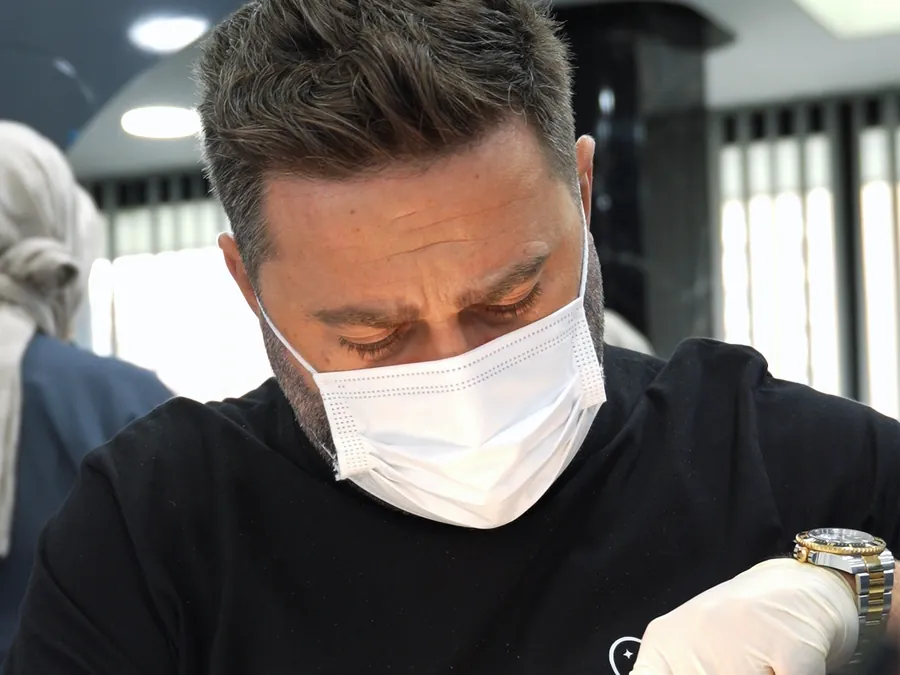
Root canal treatment: when is it needed, how many visits, does it hurt?
What root canal treatment is, the symptoms that call for it, how many visits it takes and whether it hurts. Pain afterwards, whether a crown is needed, and why saving the tooth matters.

Treatment
Root canal treatment in Beylikdüzü: symptoms, number of visits and aftercare
Root canal treatment in Beylikdüzü, Istanbul: which symptoms mean you need one, how many visits it takes, whether it hurts, whether you need a crown afterwards and what to do about weekend toothache.
Treatment
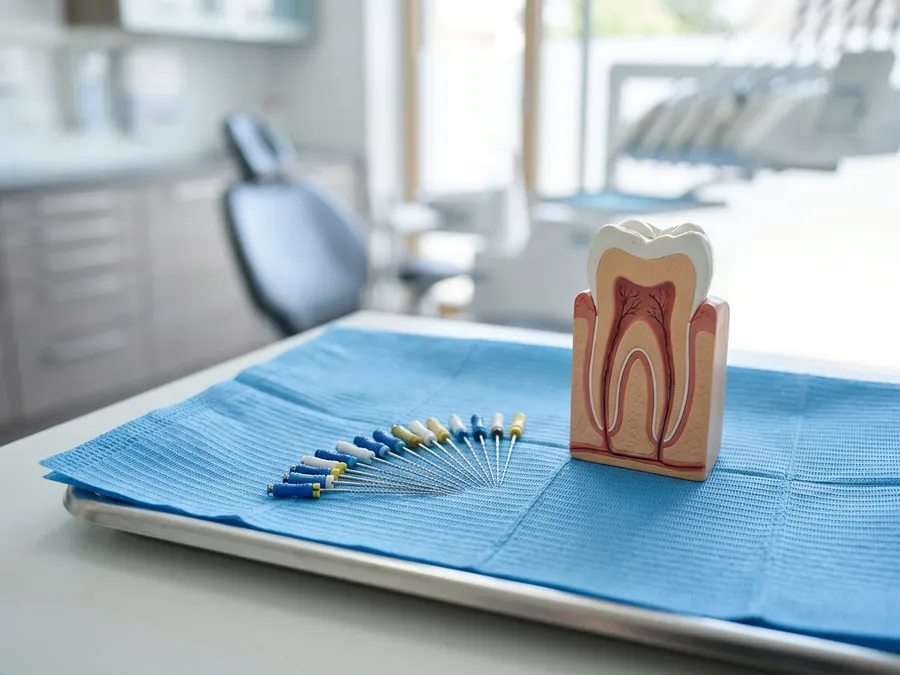
Good root canal treatment: 6 criteria for treatment that saves the tooth in Beylikdüzü
What should good root canal treatment look like? Accurate diagnosis, effective local anaesthesia, canal length measurement, a clean field and the right restoration afterwards. Root canal treatment at Dent32.
Treatment
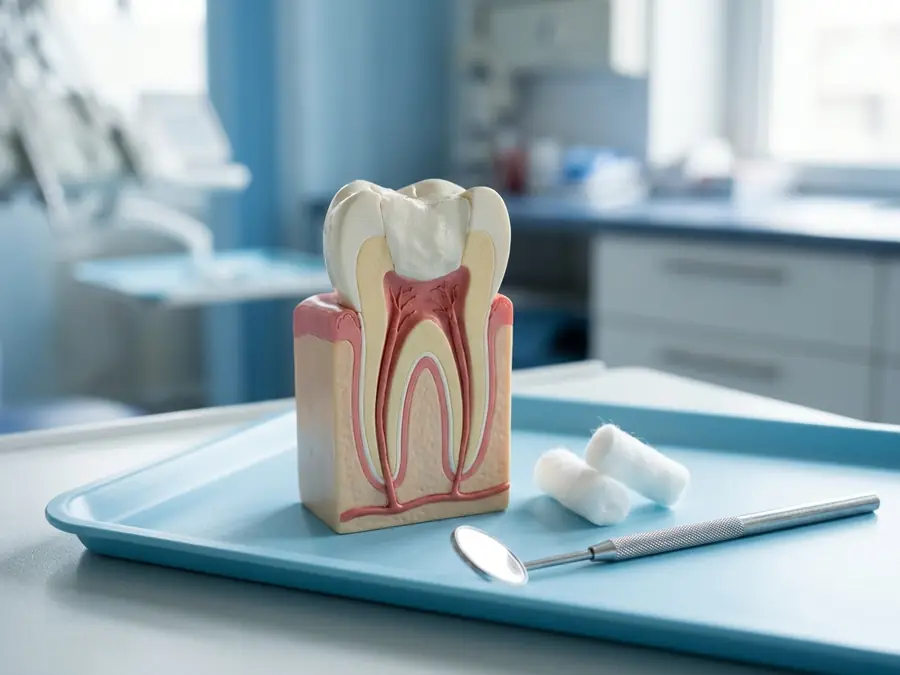
Is pain after root canal treatment normal? How long it lasts and when to go back
Mild pain and tenderness on biting for 2–3 days after a root canal is normal. Why it happens, how long it lasts, the second visit, temporary fillings, the final restoration and warning signs.
Treatment
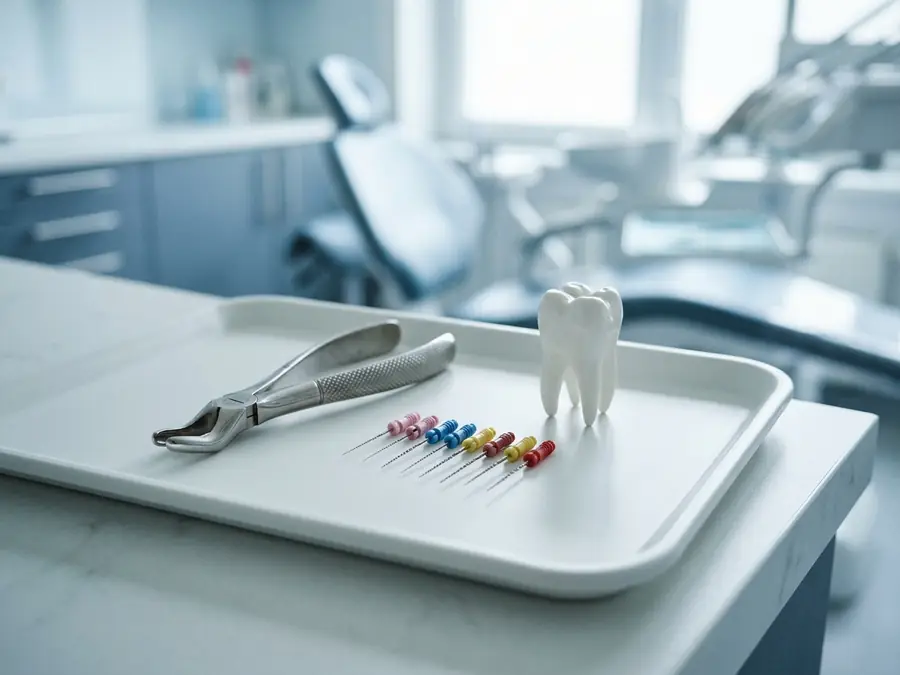
Extract the tooth or save it with a root canal? 7 factors that decide
Can a painful or infected tooth be saved with root canal treatment, or should it come out? Remaining tooth structure, root and bone condition, cracks, cost and what follows an extraction.
Treatment
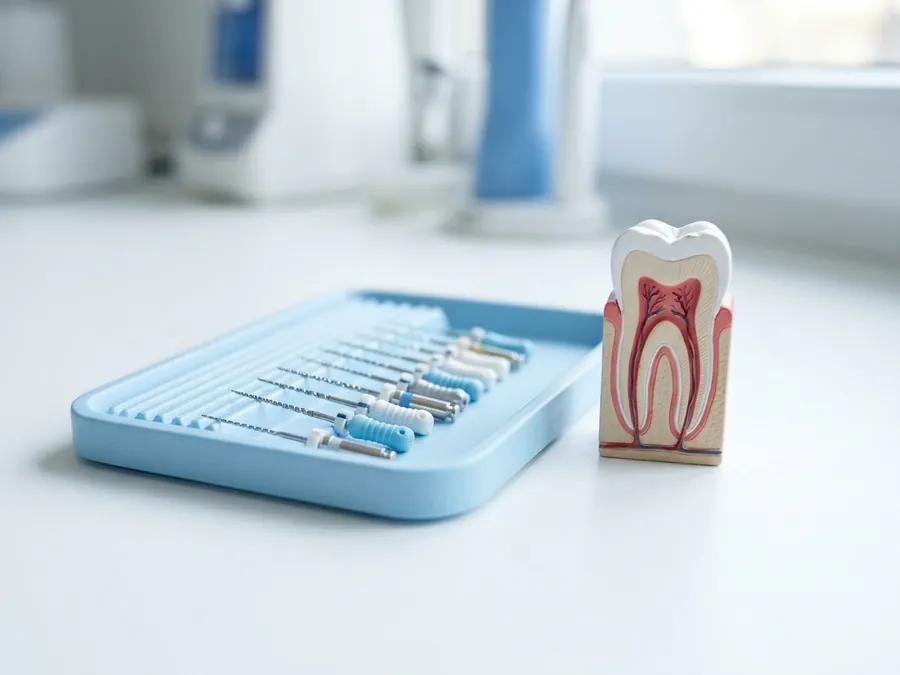
Root canal retreatment in Beylikdüzü: if a root-filled tooth hurts again, does it have to come out?
Why does a tooth that's had root canal treatment hurt, swell or develop a gum boil? Root canal retreatment, root-tip surgery (apicoectomy) and when extraction is needed. Dent32 in Beylikdüzü.
- Tooth cysts and root-end surgery (apicoectomy): does a root canal clear them?
- A pimple-like bump on the gum (dental fistula): causes, should you pop it, how it heals
- Dental abscess and facial swelling: will it go away on its own, and when is it an emergency?
- Cracked tooth syndrome: sudden pain on biting, diagnosis and treatment
- How to relieve toothache: what to do at home, what to avoid and when it's urgent
- How do you know if you have tooth decay? Signs, stages and treatment at each stage
Treatments
Other treatments
Dental implants
A titanium screw placed in the jawbone to replace a missing tooth, with a permanent tooth on top.
DetailsZirconia and porcelain crowns
Crowns that protect worn, broken or discoloured teeth and restore their appearance.
DetailsSmile design
A plan for the length, shape and colour of your teeth, based on your facial proportions, that you can see in advance.
DetailsClear aligner orthodontics
Straightening crowded or gapped teeth with removable clear aligners.
DetailsTeeth whitening
Dentist-supervised lightening with gels at a strength suited to your teeth and gums.
DetailsDental care for children
Preventive care from the first baby teeth, in a calm setting with child-friendly explanations.
DetailsGum treatment
Cleaning and periodontal treatment for bleeding, receding or inflamed gums.
DetailsNext step
Let's talk first, then plan.
Message us on WhatsApp or book an appointment. In the first conversation we listen to you, and after the examination we explain the options with their pros and cons. There's no rush to start treatment.
- A thorough examination and any imaging needed
- Options, risks and alternatives explained clearly
- An itemised written treatment plan and cost
- Follow-up appointments after treatment