

Dent32 · Dental clinic in Beylikdüzü
Children's dentistry in Beylikdüzü
Preventive care from the first baby teeth, in a calm setting with child-friendly explanations.
About dental care for children
A child's first dental experience shapes how they feel about treatment later on. So in the first appointments we take our time, introduce the room and show the instruments as we explain. Our clinic has a treatment room designed especially for children.
We focus on preventing decay before it starts, with fissure sealants, fluoride and regular check-ups. Decay in baby teeth should be treated too: baby teeth lost early can affect how the permanent teeth come in.
Who is it for?
- A first check-up once the first tooth appears
- Children with baby or mixed teeth
- Children who feel anxious about the dentist
How does it work?
- Getting to know each other and a check-up
- A care plan together with parents
- Preventive care or treatment
- Regular check-up appointments
After treatment
- From the first tooth, brush with a rice-grain smear of fluoride toothpaste, and a pea-sized amount after age 3.
- Not giving milk or juice in a bottle at night helps prevent bottle caries.
- An adult should check the child's brushing until about age 7–8.
- A check-up every six months catches cavities while they are small.

Results of any surgical or interventional procedure may vary from person to person. You are advised to obtain a detailed opinion from your dentist before any procedure.
FAQ
Common questions about dental care for children
The right treatment for you can only be decided after an examination. If your question isn't answered here, message us on WhatsApp and our dentists will reply.
When should my child first see a dentist?
When the first tooth appears, or by around their first birthday at the latest. The first visit is a short introduction and check-up, and parents get advice on diet and brushing.
Baby teeth fall out anyway; do they need treating?
Yes. A decayed baby tooth can cause pain and infection and can affect the permanent tooth underneath. Losing a baby tooth early can cause loss of space and crowding for the permanent teeth.
What do fluoride varnish and fissure sealants do?
Fluoride strengthens the enamel and lowers the risk of decay. A fissure sealant covers the deep grooves of the back teeth with a thin material so food can't collect there. Both are short procedures that need no anaesthetic.
My child is afraid of the dentist; what can we do?
At home, use calm, positive language instead of phrases like "it won't hurt", and visit the clinic first just to say hello. In the clinic we explain each step in words the child understands and don't rush.
When should children have an orthodontic check?
An orthodontic check at around age 7 is recommended. Some problems with jaw growth are easier to guide at this age with removable appliances.
Guides
Articles on dental care for children

Treatment
When should your child first see a dentist?
When a child's first dental visit should be, baby tooth decay, fluoride varnish, fissure sealants, preventing dental anxiety and tips for children's oral care.

Treatment
Dental care for children in Beylikdüzü: first visit, preventive care and fear-free treatment
For families looking for a dentist for their child in Beylikdüzü, Istanbul: when to have the first dental visit, fluoride varnish and fissure sealants, why baby teeth should be treated, and how to ease a child's fear of the dentist.
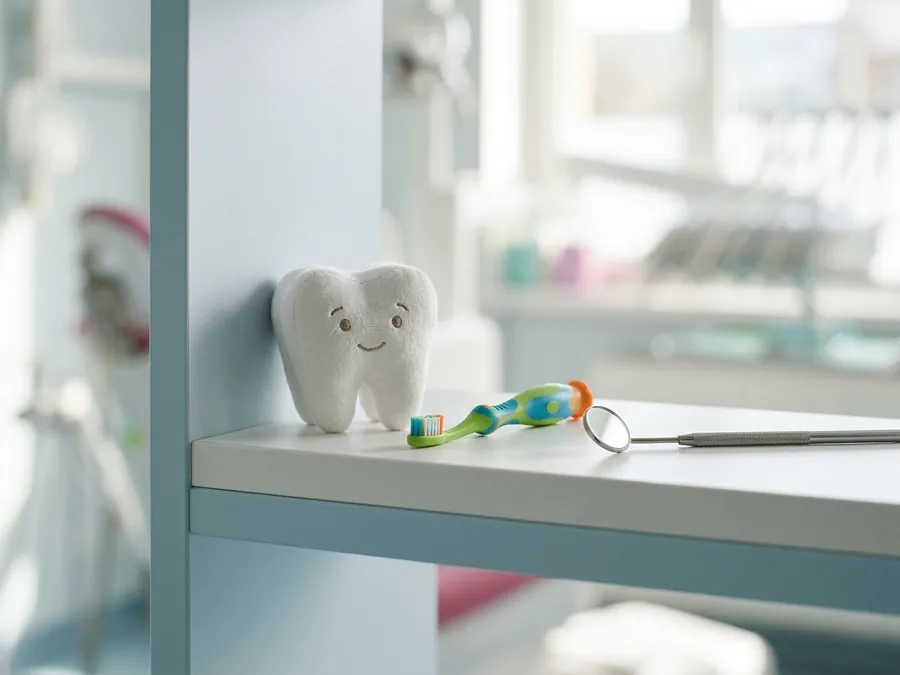
Treatment
Choosing a dentist for your child in Beylikdüzü: gentle, preventive care that keeps parents informed
How do you choose a dentist for your child in Beylikdüzü? Familiarisation visits, preventive treatments, a children's treatment room and guidance for parents. Children's dentistry at Dent32.
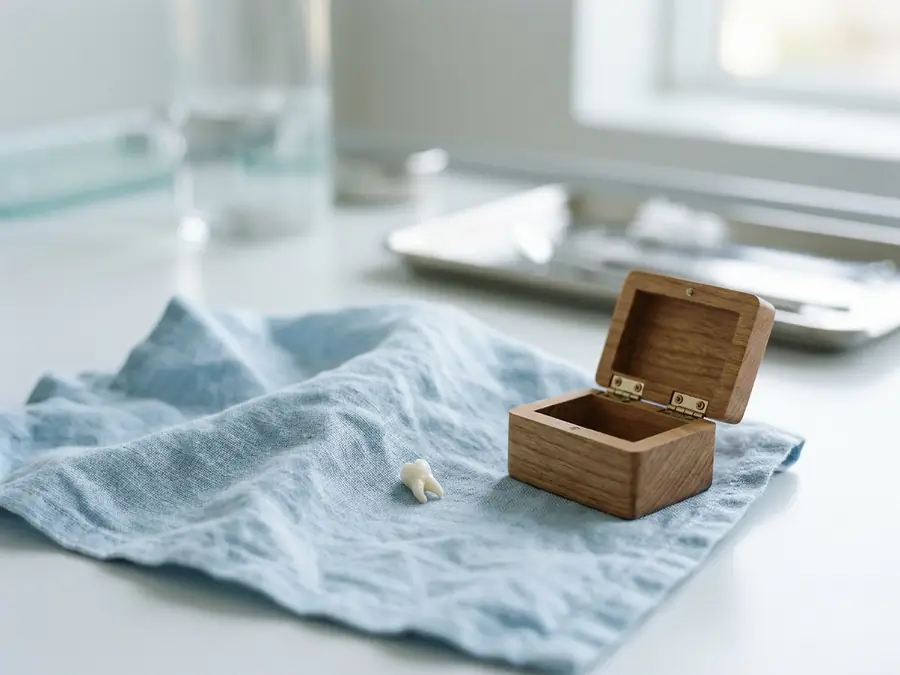
Guide
When do baby teeth fall out and adult teeth come in? What if a tooth comes in behind?
The order and ages at which baby teeth fall out, the six-year molar, an adult tooth coming in behind a baby tooth, pulling a wobbly tooth, and what to do if teeth are lost early or late.
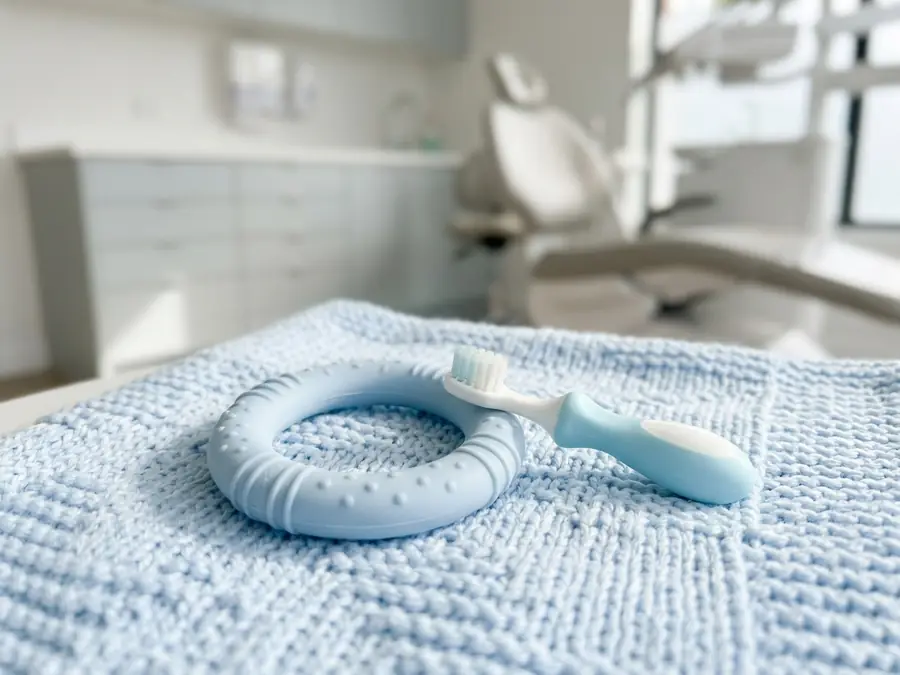
Guide
Teething in babies: signs, order of teeth, how to soothe and caring for first teeth
A baby's first tooth usually comes through around six months. Signs of teething, which symptoms shouldn't be blamed on teeth, safe ways to soothe, first brushing and the first dental visit.
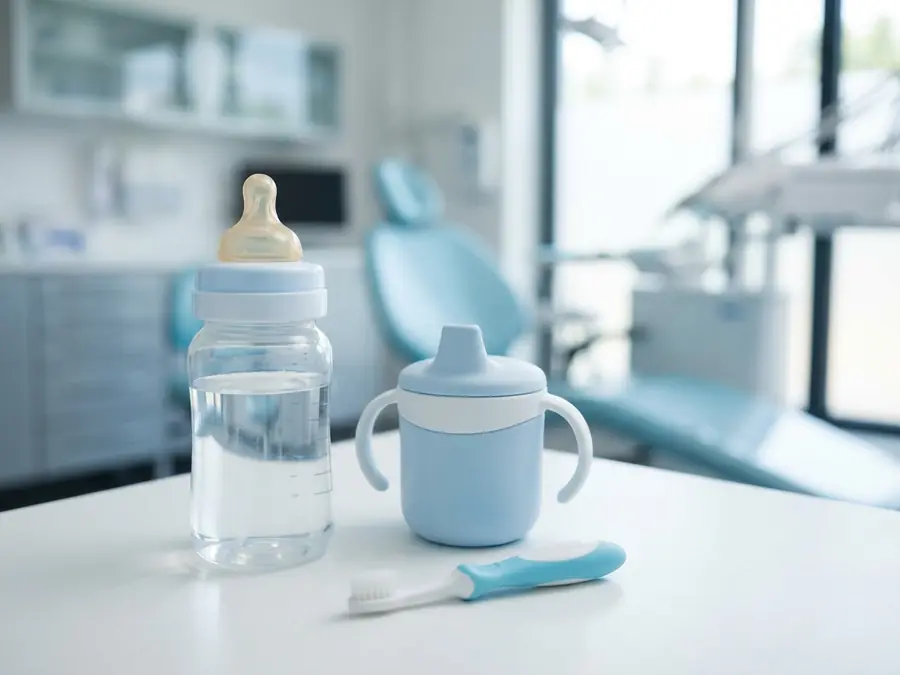
Treatment
Bottle tooth decay and cavities in baby teeth: signs, treatment and why baby teeth are treated
Night-time bottles and frequent sugary drinks cause rapid decay in baby teeth. Early signs, whether baby teeth need fillings or root treatment, space maintainers after early loss, and prevention.
- Fluoride varnish and fissure sealants for children: what they do, at what age and how often
- Child's tooth broken or knocked out after a fall: what to do in the first 30 minutes
- Do dummies and thumb-sucking damage teeth? When to stop and how to help your child quit
- Tongue-tie and lip-tie: breastfeeding in babies, speech in children and the gap between front teeth
- A family dentist in Beylikdüzü: one clinic for everyone from toddlers to grandparents
Treatments
Other treatments
Dental implants
A titanium screw placed in the jawbone to replace a missing tooth, with a permanent tooth on top.
DetailsZirconia and porcelain crowns
Crowns that protect worn, broken or discoloured teeth and restore their appearance.
DetailsSmile design
A plan for the length, shape and colour of your teeth, based on your facial proportions, that you can see in advance.
DetailsClear aligner orthodontics
Straightening crowded or gapped teeth with removable clear aligners.
DetailsTeeth whitening
Dentist-supervised lightening with gels at a strength suited to your teeth and gums.
DetailsRoot canal treatment
Cleaning out an inflamed or infected nerve so the tooth can be kept.
DetailsGum treatment
Cleaning and periodontal treatment for bleeding, receding or inflamed gums.
DetailsNext step
Let's talk first, then plan.
Message us on WhatsApp or book an appointment. In the first conversation we listen to you, and after the examination we explain the options with their pros and cons. There's no rush to start treatment.
- A thorough examination and any imaging needed
- Options, risks and alternatives explained clearly
- An itemised written treatment plan and cost
- Follow-up appointments after treatment