
Fluoride varnish and fissure sealants for children: what they do, at what age and how often
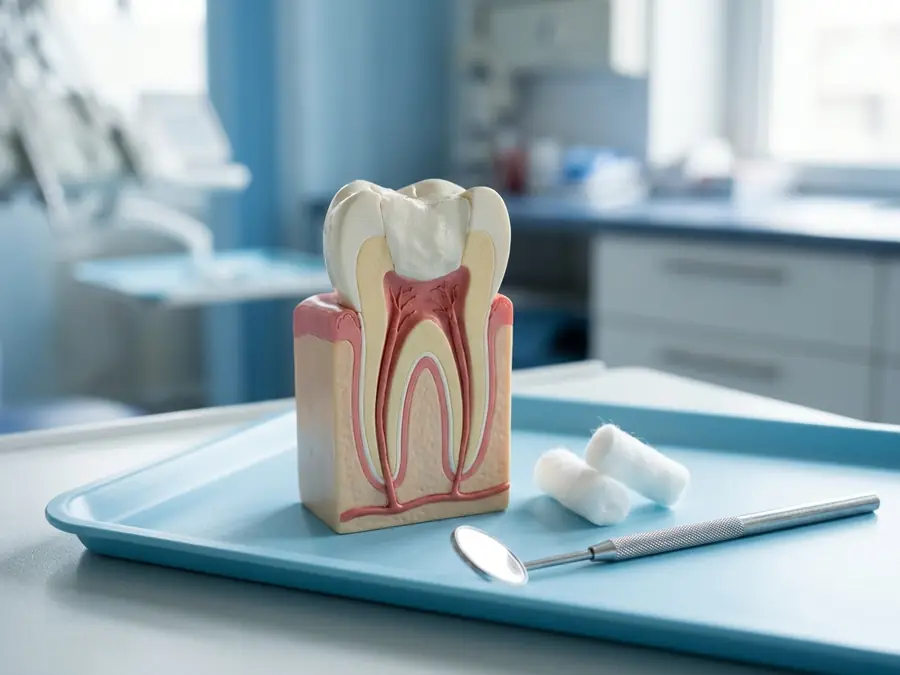
Fluoride varnish strengthens tooth enamel and makes it more resistant to decay; fissure sealants cover the deep grooves on the chewing surfaces of back teeth with a thin layer of filling material so food and bacteria can't settle there. Both are quick preventive treatments that need no anaesthetic and no drilling. Fluoride varnish is usually applied every six months depending on the child's decay risk; fissure sealants are placed when the adult molars come through, at around 6 and 12 years old.
What is fluoride varnish and how is it applied?
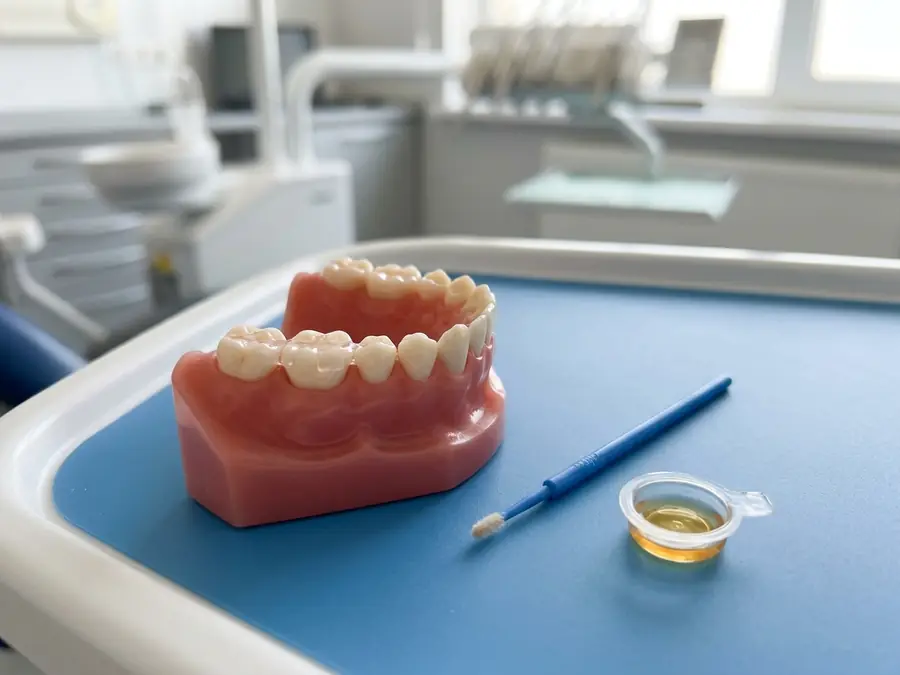
Fluoride varnish is a concentrated fluoride material painted onto the teeth that sets quickly. It takes a few minutes and most children tolerate it easily. Afterwards, avoid hard foods for a few hours and don't brush that evening; normal brushing resumes the next day.
| Topic | Information |
|---|---|
| When does it start? | After baby teeth come through, depending on decay risk |
| How often? | Usually every six months; more often for children at high risk |
| Is it safe? | The amount is small and the varnish sticks to the teeth, limiting what is swallowed; it is safe under a dentist's supervision |
What is a fissure sealant?
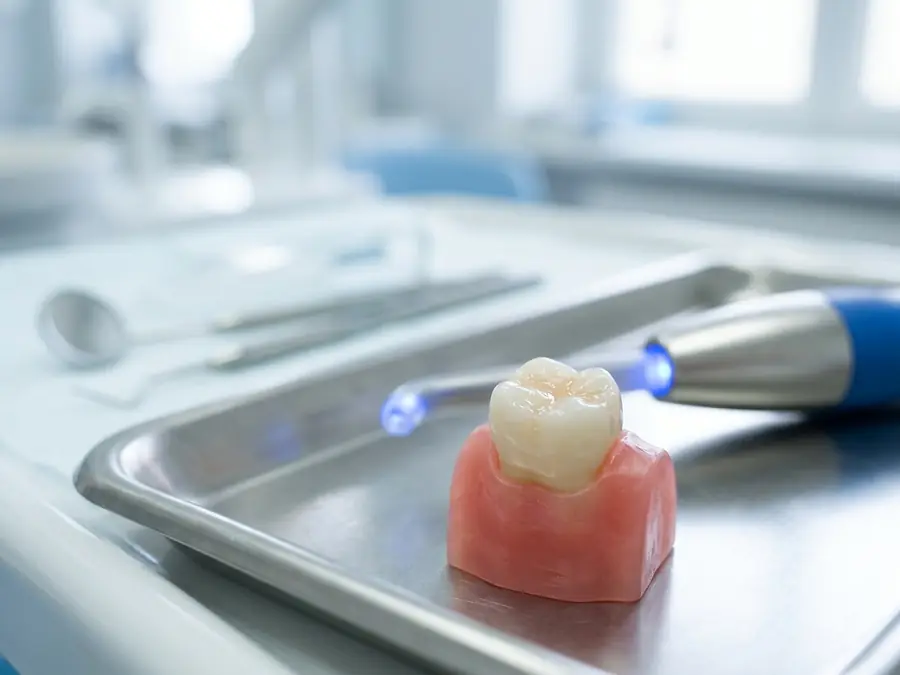
The chewing surfaces of back teeth have grooves (fissures) narrower than a toothbrush bristle, and much decay starts in them. A fissure sealant covers these grooves with a flowable filling material. The tooth isn't drilled and no anaesthetic is needed: the tooth is cleaned and dried, the material is applied and hardened with a light.
| Tooth | When it's done |
|---|---|
| First adult molars (six-year molars) | About 6–7 years |
| Second adult molars | About 11–13 years |
| Deeply grooved baby molars | Depending on decay risk |
Who are they recommended for?
- Children who have had decay before
- Children with deep grooves in their molars
- Children who find brushing difficult or wear braces
- Children who often eat sugary foods
- Children with special care needs
How long do fissure sealants last?
Sealants can stay in place for years, but they can wear or partly chip off over time. They're checked at every visit and topped up if needed. A sealed tooth still needs regular brushing, and sealants don't protect between the teeth. For decay between teeth: decay between teeth.
Fluoride at home: how much toothpaste
- Up to age 3: a smear the size of a grain of rice
- Ages 3–6: a pea-sized amount
- Spit after brushing; rinsing with lots of water washes the fluoride away
- Parents should brush or supervise brushing until about age 7–8
For technique, see how to brush your teeth properly.
Preventive children's dentistry in Beylikdüzü
For children's check-ups and preventive care, see children's dentist in Beylikdüzü.
Dent32 is at Barış Mah., Ginza Lavinya, E-5 Yanyolu No:30 D:179, 34520 Beylikdüzü, Istanbul and is open seven days a week. To book, call or WhatsApp +90 555 011 33 68, or use our contact page. At the examination we share the findings, the options and the approximate cost in writing; you are under no obligation to start treatment afterwards.
Frequently asked questions
At what age is fluoride varnish applied?
It can start once baby teeth have come through, depending on the child's decay risk. It is usually repeated every six months.
Do fissure sealants damage the tooth?
No. They are a flowable material applied without drilling, and no anaesthetic is needed.
Is fluoride harmful?
Fluoride varnish used in dentistry is safe at the right amount and frequency. At home, use the right amount of fluoride toothpaste for your child's age.
Can adults have fissure sealants?
Yes, on deeply grooved molars without decay in adults at high risk of decay.