Tooth cysts and root-end surgery (apicoectomy): does a root canal clear them?
When an X-ray shows a dark, round area at the tip of a tooth's root, most patients call it a “cyst”. Most of these areas are root-tip inflammation caused by a dead or infected nerve, and they heal after root canal treatment. Some are true cysts; large lesions, lesions that don't heal or that persist despite a root canal may need root-end surgery (apicoectomy). Here we explain the difference, the treatment options and recovery.
What is the dark area at the root tip?
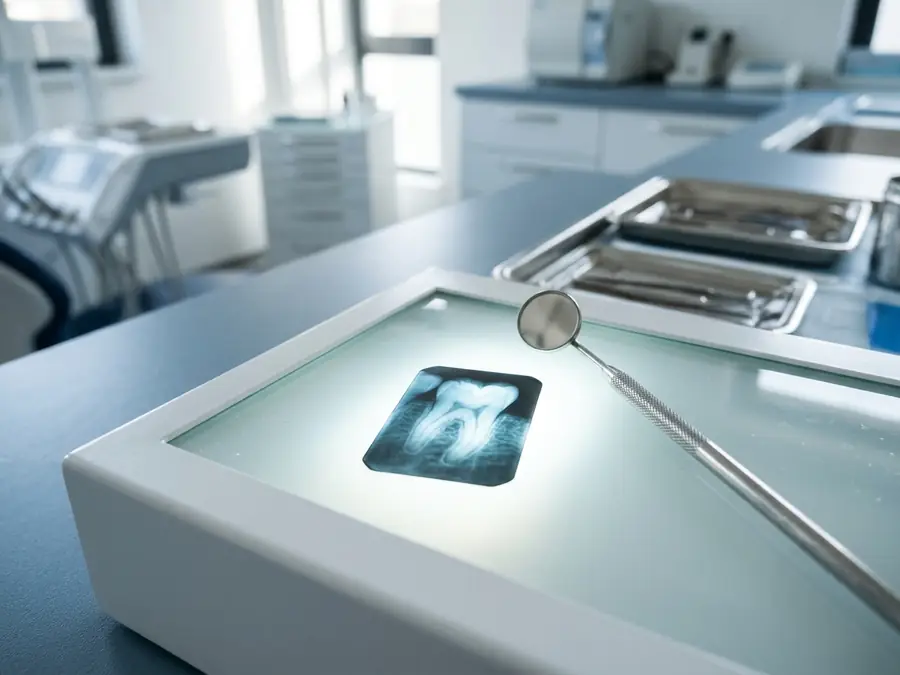
When a tooth's nerve dies from decay, a fracture or a knock, bacteria in the root canal cause inflammation that spreads from the root tip into the bone. The body breaks down bone in that area, which appears dark on an X-ray. Most often this is inflamed tissue called a granuloma; less often a fluid-filled cyst with its own lining develops. X-rays can't always tell the two apart; a definite diagnosis needs the tissue to be examined.
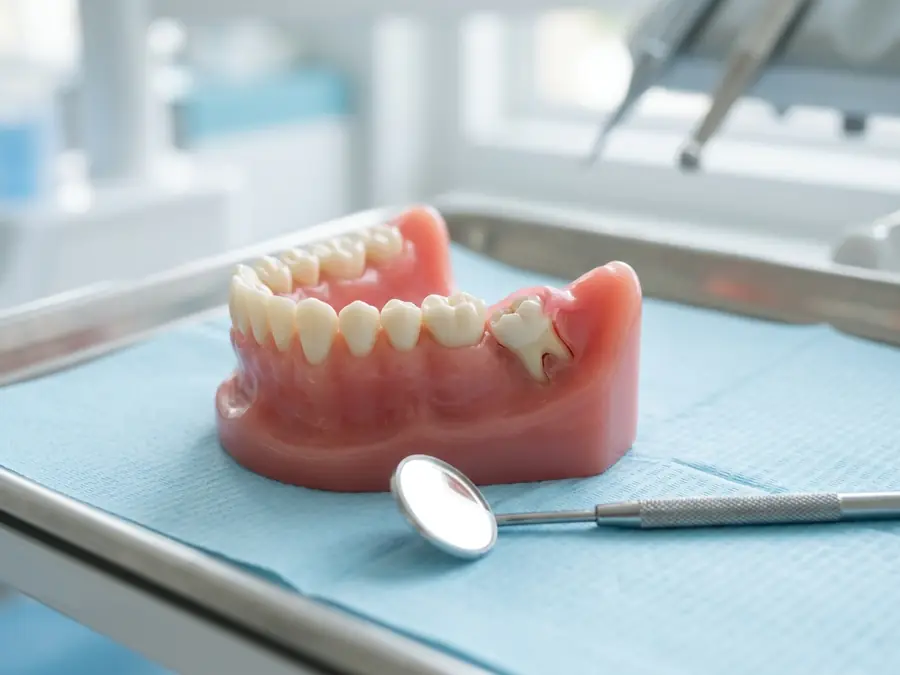
Cysts can also form around impacted teeth, which is one reason impacted wisdom teeth need regular checks. See wisdom teeth.
Symptoms
- Often none at all; it's found on a routine X-ray.
- Tenderness when biting or pressing on the tooth
- A pimple-like bump on the gum, sometimes with a salty discharge. See a pimple on the gum.
- Swelling, pain and fever during flare-ups. See dental abscess.
- Discolouration of the tooth (a sign the nerve may have died)
Root canal treatment first
For most root-tip lesions the first treatment is a root canal: the canals are cleaned, shaped and filled. Once the source of inflammation is gone, the bone gradually repairs itself. If the tooth has already had a root canal, retreatment is considered first.
Healing is followed with X-rays; bone usually fills in over 6–12 months, longer for large lesions. If there are no symptoms and the dark area is shrinking, treatment is on track.
How root-end surgery (apicoectomy) is done
It's used for lesions that don't heal despite a root canal, are very large or can't be reached through the canal. It's done under local anaesthetic:
- The gum over the root tip is opened.
- The inflamed tissue or cyst in the bone is removed.
- A few millimetres of the root tip are cut away.
- The root end is sealed with a biocompatible filling material that stops bacteria leaking.
- The gum is stitched; stitches usually come out after 7–10 days.
Removed tissue is sent for pathology when needed. In large cysts a bone graft may be used to help the bone heal.
After surgery
- Mild swelling and bruising for the first 2–3 days are common; a cold pack helps on the first day.
- Use the painkiller your dentist recommends; antibiotics are given only if needed.
- Don't brush the stitched area for a few days; brush the other teeth as usual.
- Smoking slows healing.
- Bone healing is checked on an X-ray over the following months.
Assessment in Beylikdüzü
At Dent32 we assess the size of the lesion and whether the tooth can be saved with X-rays and, where needed, a CT scan. See dental X-rays and CT scans. We explain the options — root canal, retreatment, root-end surgery or extraction — in writing, and refer cases that need advanced surgery to the relevant specialty.
Dent32 Ağız ve Diş Sağlığı Polikliniği (Dent32 Dental Polyclinic) is at Barış Mah., Ginza Lavinya, E-5 Yanyolu No:30 D:179, 34520 Beylikdüzü, Istanbul and is open seven days a week. To book, call or WhatsApp +90 555 011 33 68, or use our contact page. At the examination we share the findings, the options and the approximate cost in writing; you are under no obligation to start treatment afterwards.
For clinic details, our dentists and the full list of treatments, visit Dent32, dental polyclinic in Beylikdüzü.
Frequently asked questions
Does a tooth cyst go away by itself?
No. Because its source is an infected root canal, it won't heal until that source is removed by root canal treatment or surgery; it can grow over time even without symptoms.
Should a tooth with a cyst be extracted?
Not necessarily. Most root-tip lesions heal after a root canal. Extraction is considered if there's a root crack, too little tooth structure or advanced bone loss.
Is an apicoectomy painful?
It's done under local anaesthetic; afterwards there may be mild pain and swelling for a few days, usually controlled with painkillers.