
Gum infection around a wisdom tooth (pericoronitis): swelling, trouble opening the mouth and treatment
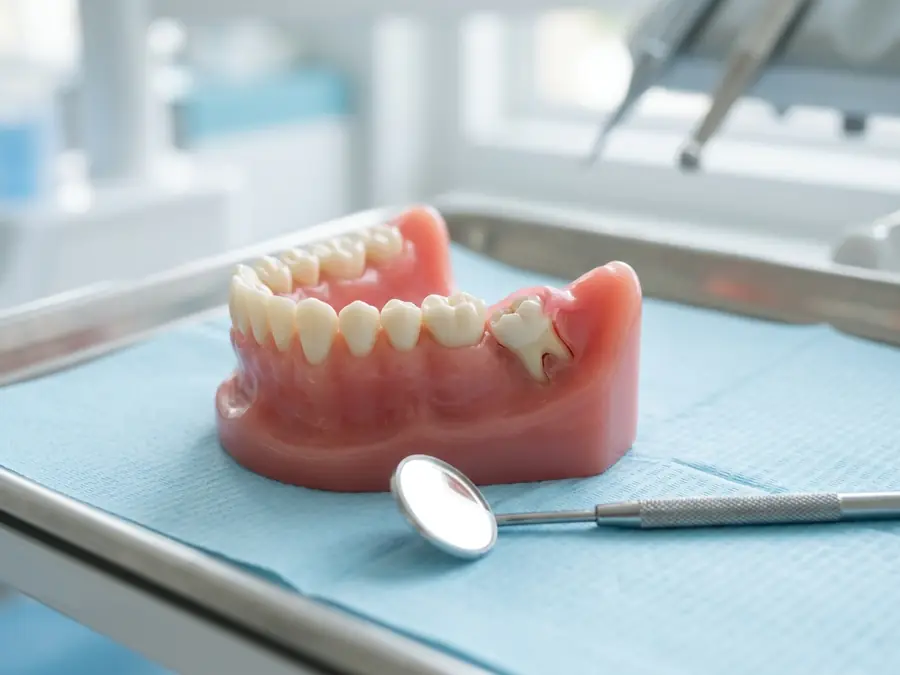
Pericoronitis is inflammation of the gum partly covering a tooth that hasn't fully come through, most often a lower wisdom tooth. Food and bacteria trapped under the gum flap can't be cleaned away, so the area swells, hurts and tastes unpleasant; in severe cases opening the mouth and swallowing become difficult. A mild episode may settle in a few days but tends to come back. The lasting solution, depending on the tooth and gum, is cleaning the area, removing the gum flap or extracting the tooth.
Symptoms
- Pain and swelling around the last tooth
- The upper tooth biting on the swollen gum, pain when chewing
- A bad taste or smell, sometimes pus
- Limited mouth opening, pain on swallowing
- Pain spreading to the ear or throat; see can toothache spread to the ear?
- In severe cases fever and swollen glands under the jaw
When is it urgent?
If swelling spreads to the cheek, under the jaw or into the neck, if swallowing or breathing becomes difficult, if you can barely open your mouth or have a high fever, see a dentist without delay, or a hospital emergency department at night or at the weekend. See dental abscess and facial swelling and emergency dentist.
What you can do at home until you're seen
- Gently clean the area with a soft brush and rinse out food with warm water
- Rinse with warm salt water several times a day
- Take painkillers as directed on the leaflet
- Drink plenty of water and eat soft food
- Don't put heat on your face, and don't take antibiotics unless advised by a dentist
Treatment at the clinic
- Cleaning and irrigation: the area under the gum flap is washed with an antiseptic solution and debris removed. Most mild episodes settle with this.
- Medicine if needed: with fever, spreading swelling or general symptoms, the dentist may prescribe antibiotics. See when antibiotics are needed.
- Adjusting the opposing tooth: if the upper wisdom tooth keeps biting on the swollen gum, it is assessed too.
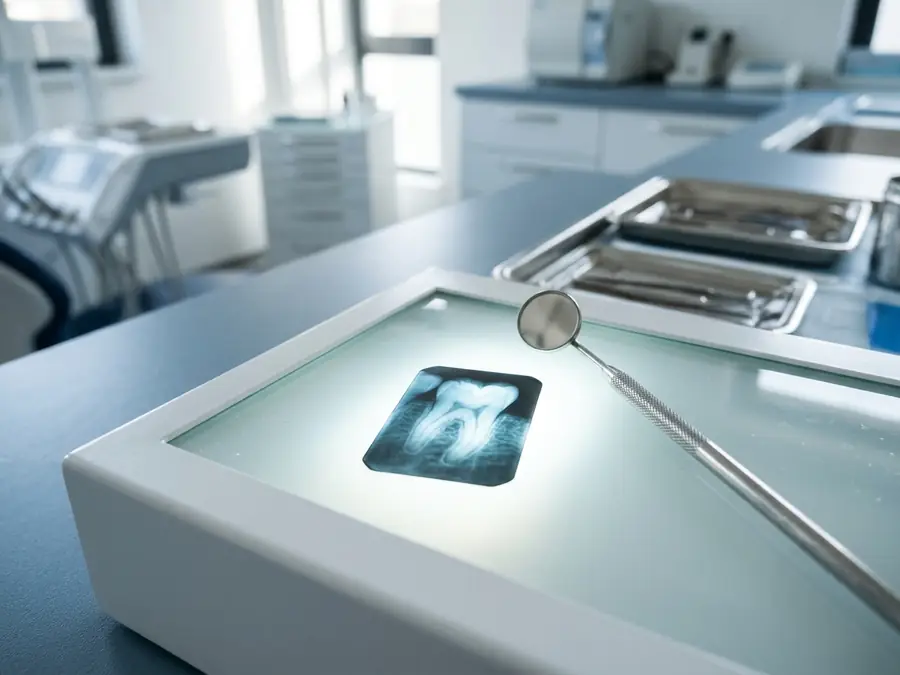
- Lasting solution: once the inflammation settles, the tooth's position is checked on an X-ray. If it can come through properly, the gum flap can be removed; if there isn't room, it's tilted, or episodes keep recurring, extraction is advised.
For the extraction decision and recovery, see when should a wisdom tooth come out? and tooth extraction in Beylikdüzü.
Preventing it coming back
Behind a wisdom tooth is hard to reach with a brush. A small-headed or single-tuft brush, rinsing after meals and regular check-ups can reduce episodes until a decision about extraction is made. Repeated episodes can also cause decay and bone loss on the neighbouring tooth, so putting it off isn't wise.
Examination in Beylikdüzü
Dent32 Ağız ve Diş Sağlığı Polikliniği (Dent32 Dental Polyclinic) is at Barış Mah., Ginza Lavinya, E-5 Yanyolu No:30 D:179, 34520 Beylikdüzü, Istanbul and is open seven days a week. To book, call or WhatsApp +90 555 011 33 68, or use our contact page. At the examination we share the findings, the options and the approximate cost in writing; you are under no obligation to start treatment afterwards.
For clinic details, our dentists and the full list of treatments, visit Dent32, dental polyclinic in Beylikdüzü.
Frequently asked questions
Does pericoronitis go away on its own?
A mild episode may settle in a few days with cleaning and rinsing, but because the cause remains it tends to return. You need an examination for a lasting solution.
Is the tooth taken out straight away?
Usually the inflammation is settled first, then extraction or removal of the gum flap is planned depending on the tooth's position. In emergencies the dentist decides the approach.
Why does pericoronitis make it hard to open the mouth?
The inflammation is close to the chewing muscles, which tighten and limit opening. This improves as the inflammation clears.