
Do antibiotics and painkillers cure toothache? When they're needed and when they're not
Most toothache comes from inflammation of the nerve inside the tooth and doesn't respond to antibiotics, because the problem isn't bacteria spreading through the blood but inflamed tissue inside the tooth. Antibiotics are used alongside treatment when the dentist thinks they're needed, in situations that show the infection is spreading, such as facial swelling or fever. The real treatment for the pain is dealing with the source: a filling, root canal treatment or extraction.
Why don't antibiotics cure most toothache?
The most common cause of throbbing pain that worsens with cold or heat and wakes you at night is pulpitis: inflammation of the nerve and blood vessels inside the tooth. Because this tissue is enclosed by hard tooth walls, swelling creates pressure and pain. Antibiotics don't relieve that pressure, and they can't reach a nerve whose blood supply is compromised.
Clinical guidance from dental associations also recommends treating the source (the first stage of root canal treatment, drainage or extraction) plus painkillers, rather than antibiotics, for toothache without signs of spreading infection.
When are antibiotics needed?
| Situation | Antibiotics? |
|---|---|
| Nerve inflammation (pulpitis), no fever or swelling | Usually not; treat the source |
| Localised abscess that can be drained | Drainage and root canal treatment are often enough |
| Swelling spreading to the face or neck, fever, feeling unwell | Yes, alongside treatment; A&E if severe |
| Limited mouth opening, swollen lymph nodes | Often yes, depending on the dentist's assessment |
| Immunocompromised patients, some heart conditions | Preventive or therapeutic use decided by the dentist |
Why is using leftover antibiotics risky?
- The wrong drug or dose can suppress and mask the infection, delaying proper treatment.
- Unnecessary antibiotics carry risks of diarrhoea, stomach upset and allergic reactions.
- They contribute to bacteria becoming resistant, so the drug may not work when it's really needed.
- Stopping a course halfway increases the risk of resistance.
What do painkillers do?
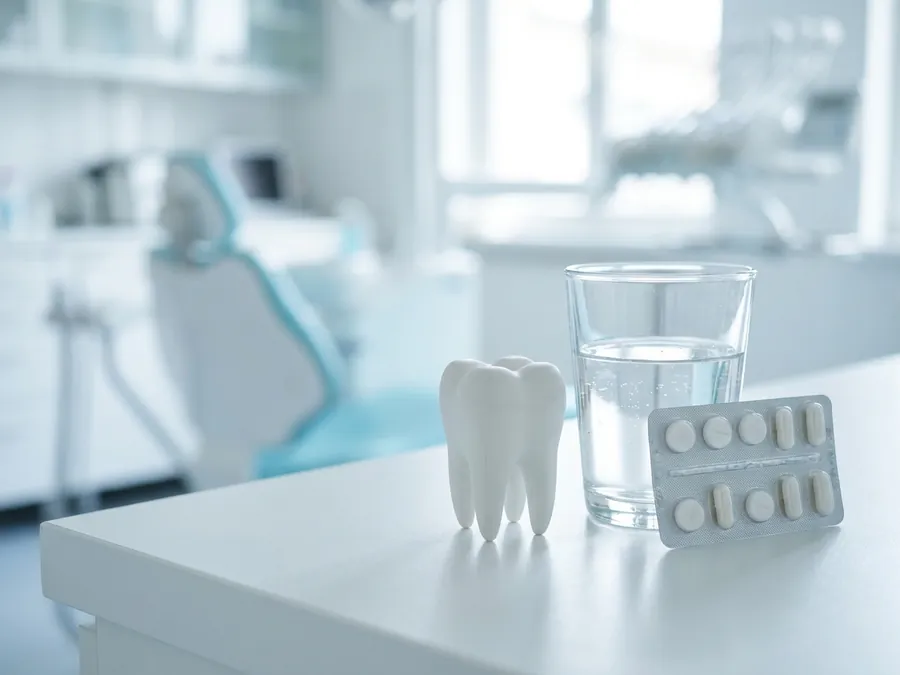
Painkillers are the right way to keep pain under control until you see a dentist. Take a painkiller your doctor has previously said is suitable for you, at the dose on the pack; if you have stomach problems, kidney disease, take blood thinners or are pregnant, ask your pharmacist or doctor which one is suitable. Don't put aspirin or a painkiller tablet on the tooth or gum; it burns the tissue.
Pain that even painkillers don't touch suggests the nerve is severely inflamed and needs assessing the same day.
The real treatment for the pain
Once the cause is found with an examination and X-ray, treatment usually starts with a relieving procedure in a single visit: removing decay and placing a filling, removing the nerve and starting root canal treatment, draining an abscess or extracting a tooth that can't be saved. After these, the pain usually eases noticeably within hours.
For details, see root canal treatment in Beylikdüzü, dental abscess and night and weekend toothache. If you're in pain in Beylikdüzü, message us on WhatsApp (+90 555 011 33 68) to ask for a same-day assessment.
Frequently asked questions
Are antibiotics good for toothache?
Most toothache comes from nerve inflammation and doesn't respond to antibiotics. They're used only when infection is spreading, alongside treatment.
The pain came back when the antibiotics finished. Why?
As long as the source of infection is inside the tooth, the pain and swelling return. Treating the source, such as with a root canal or extraction, is needed.
Can root canal treatment be done without antibiotics?
Yes. Most root canal treatments don't need antibiotics; the dentist decides whether they're needed.
Which painkiller should I take for toothache?
Agree a painkiller suited to your general health with your doctor or pharmacist, and don't exceed the dose on the pack.
Should I start antibiotics if I have swelling?
Don't start them on your own. If the swelling is growing fast or affecting your breathing, go to A&E; otherwise see a dentist the same day.