
Scale and polish in Beylikdüzü: how often should you have it, and does it hurt?
A scale and polish removes hardened plaque (tartar) from the teeth and along the gum line with ultrasonic instruments, then polishes the surface. It usually takes 30–45 minutes, doesn't damage enamel and is recommended every 6–12 months for most people. Tartar that a toothbrush can't remove is the most common cause of bleeding gums, bad breath and gum recession.
Why does tartar form?
A layer of bacterial plaque forms on the teeth every day. Plaque that isn't removed by brushing and flossing hardens within a few days, combining with minerals in saliva to become tartar. Tartar is rough, so it holds even more plaque and constantly irritates the gums; once it has formed, brushing won't remove it.
The inner surfaces of the lower front teeth and the cheek side of the upper molars, close to the salivary glands, are where tartar builds up most.
How is it done, and does it hurt?
- Examination and gum measurements
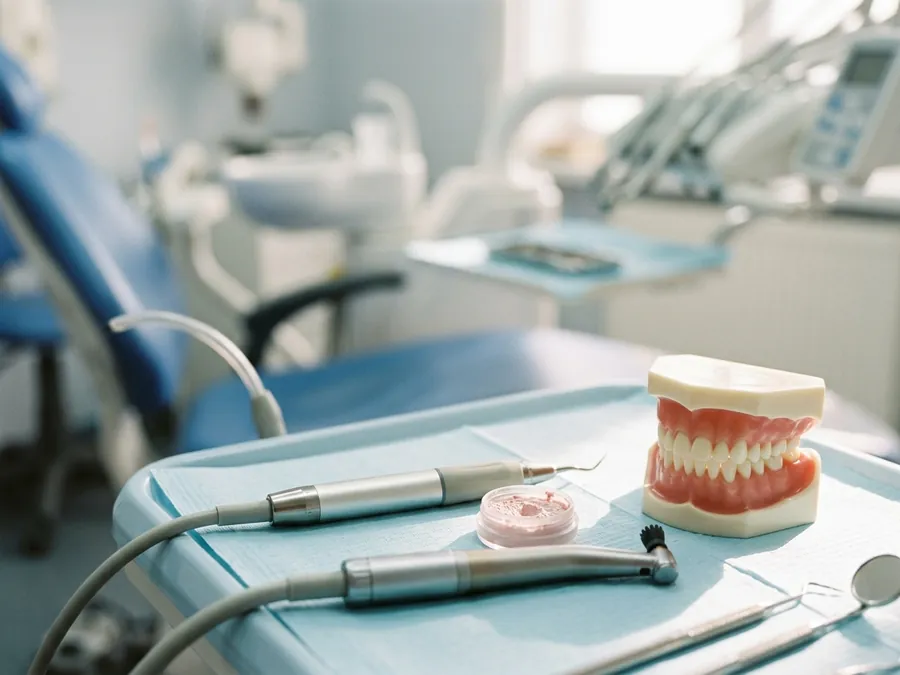
- Removing tartar with an ultrasonic tip that breaks it up with vibration and water
- Fine cleaning with hand instruments
- Polishing the teeth smooth and reducing stains
- Advice on brushing and cleaning between teeth
Most people don't find it uncomfortable; you feel water and vibration. If the gums are very inflamed or teeth are sensitive, local anaesthetic or splitting the cleaning into several sessions may be preferred. Where gum pockets are deep, a deep clean of the root surfaces is needed; see gum treatment in Beylikdüzü.
Does it damage enamel?
No. Ultrasonic instruments break up hard tartar; used correctly, they don't wear away healthy enamel. The feeling that the gaps between your teeth have "opened up" afterwards comes from the tartar that filled those gaps being removed; the tartar created the space in the first place by pushing the gum back. Details: does teeth cleaning damage enamel.
How often should you have it?
| Who? | Recommended interval |
|---|---|
| Healthy gums, little tartar build-up | Every 12 months |
| Most adults | Every 6 months |
| Smokers, people with diabetes or a history of gum disease | Every 3–4 months |
| People with braces or implants | As the dentist recommends, usually every 3–6 months |
Combining your cleaning with a check-up also catches decay early. See how often to have a dental check-up.
After your cleaning
- Mild cold sensitivity and slight bleeding when brushing are possible for a day or two; they settle as the gums heal.
- Cutting down on strongly coloured drinks (coffee, tea, red wine) on the first day helps the polish last longer.
- Keep going with a soft brush, fluoride toothpaste and floss or an interdental brush once a day: how to brush your teeth properly.
- If bleeding lasts more than a week, you may need gum treatment; come in for a check.
To book, WhatsApp or call +90 555 011 33 68. Dent32 is a dental clinic on the E-5 service road in Beylikdüzü, open every day including weekends.
Frequently asked questions
How long does a scale and polish take?
Usually 30–45 minutes. With heavy tartar or inflamed gums, more than one session may be needed.
Does a scale and polish hurt?
For most people it doesn't; you feel water and vibration. Local anaesthetic can be used for sensitive teeth.
Why are my teeth sensitive after cleaning?
Surfaces previously covered by tartar are exposed, so sensitivity for a day or two is possible. A sensitive-teeth toothpaste helps.
Does a scale and polish whiten teeth?
It removes stains and tartar, so teeth look lighter, but it doesn't change the tooth's own colour. That needs whitening.
Can I have a scale and polish while pregnant?
Yes. Gum bleeding can increase in pregnancy, so cleaning is especially recommended; the second trimester is the best time.