
Is fluoride harmful? Fluoride and fluoride-free toothpaste, the right amount and fluorosis
Used in the recommended amount, the fluoride in toothpaste is safe and is the protection against decay with the strongest evidence. Fluoride strengthens enamel, helps early decay reverse and reduces acid production by bacteria. Concerns about harm mostly relate to high fluoride levels in drinking water, or to children taking in too much fluoride over long periods. This article explains the difference between fluoride and fluoride-free toothpaste and the right amount for each age.
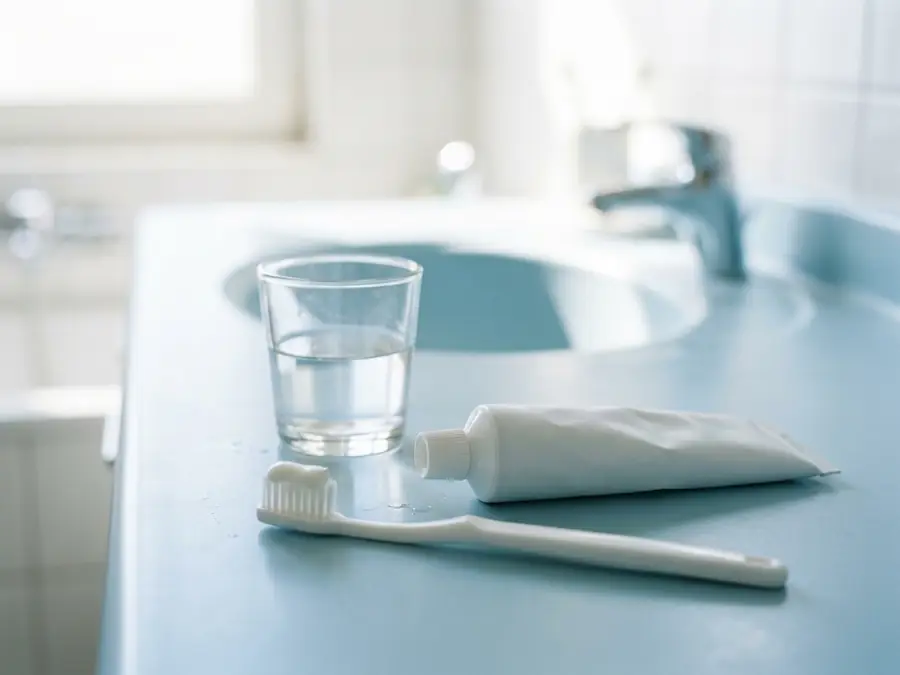
How does fluoride protect teeth?
- It makes enamel more resistant to acid.
- It helps early decay on the enamel surface (a chalky white spot) to re-harden.
- It reduces acid production by bacteria in plaque.
This is why the World Health Organization and dental organisations recommend fluoride toothpaste for children and adults. We explain how decay starts in signs and stages of tooth decay.
The right amount by age
| Age | Amount of toothpaste | Fluoride level |
|---|---|---|
| First tooth to age 3 | A thin smear the size of a grain of rice | At least 1000 ppm |
| Ages 3–6 | Pea-sized | 1000–1500 ppm |
| Age 6 and over, adults | Pea-sized | 1350–1500 ppm |
Spit the toothpaste out after brushing but don't rinse with water, so the fluoride stays on the teeth longer. An adult should help children brush until about age 7–8 and make sure they don't swallow the toothpaste. We cover fluoride varnish and fissure sealants applied by the dentist in fluoride and fissure sealants for children.
When can fluoride be harmful?
- Fluorosis: if too much fluoride is taken in over a long period while teeth are forming (before about age 8), white lines and spots can appear on the teeth. Most cases are mild and purely cosmetic. The most common cause is young children swallowing toothpaste. We cover treating white spots in white spots on teeth.
- Swallowing a lot at once: a small child swallowing most of a tube can cause nausea and vomiting. Keep toothpaste out of children's reach; if it happens, call the poison information line (114 in Turkey) or seek medical advice.
- High fluoride in drinking water: in Turkey, fluoride isn't added to tap water, but some regions have naturally high-fluoride water. Fluorosis is more common in children in these areas.
Debates about fluoride's effects on the thyroid, brain development and bones are mostly based on studies of high fluoride levels in drinking water. Using toothpaste as recommended doesn't create exposure comparable to those levels.
Who is fluoride-free toothpaste for?
Fluoride-free toothpastes clean and freshen the mouth but don't give the protection against decay that fluoride does. True allergy or sensitivity to fluoride is extremely rare. If you want to use a fluoride-free toothpaste, discuss your decay risk with your dentist.
- Hydroxyapatite toothpastes: some studies show promising results in re-hardening early decay, but the evidence is not as strong as for fluoride.
- Charcoal and “natural” toothpastes: most contain no fluoride and can be quite abrasive. See whitening and charcoal toothpaste.
- Sensitivity and erosion: fluoride and sensitivity toothpastes help protect enamel. See tooth sensitivity and dental erosion.
Who is advised to use more fluoride?
For people at high risk of decay, those wearing braces, people with dry mouth and those with exposed root surfaces from gum recession, a dentist may suggest a high-fluoride prescription toothpaste, a fluoride mouthwash or fluoride varnish in the clinic. We explain how to use mouthwash correctly in can you use mouthwash every day?
Decay risk assessment in Beylikdüzü
At Dent32 we look at your decay history, eating habits and saliva together during the examination and suggest the toothpaste and fluoride support that suits you. For children's first visits, see a child's first dental visit.
Dent32 is at Barış Mah., Ginza Lavinya, E-5 Yanyolu No:30 D:179, 34520 Beylikdüzü, Istanbul and is open seven days a week. To book, call or WhatsApp +90 555 011 33 68, or use our contact page. At the examination we share the findings, the options and the approximate cost in writing; you are under no obligation to start treatment afterwards.
Frequently asked questions
Is the fluoride in toothpaste harmful?
No, it's safe when used in the recommended amount. Adults are advised to use a pea-sized amount of 1350–1500 ppm fluoride toothpaste; young children use less and shouldn't swallow it.
Is it a good idea to use fluoride-free toothpaste?
Fluoride-free toothpastes don't give the protection against decay that fluoride does. If you want to use one, discuss your decay risk with your dentist.
Can children use fluoride toothpaste?
Yes. A rice-grain smear from the first tooth, and a pea-sized amount from age 3, is recommended. An adult should help with brushing and make sure the toothpaste isn't swallowed.
What is fluorosis?
White lines and spots on the teeth caused by taking in too much fluoride over a long period while teeth are forming. Most cases are mild and cosmetic; the most common cause is young children swallowing toothpaste.
Should I rinse after brushing?
Just spit the toothpaste out; not rinsing with water keeps fluoride on the teeth for longer.