
Can you use mouthwash every day? Chlorhexidine, alcohol and fluoride mouthwash compared
Mouthwash doesn't replace brushing and flossing; chosen well, it adds extra protection. Fluoride and alcohol-free mouthwashes can be used daily by most people. Chlorhexidine mouthwashes are strong antiseptics, usually used for a short period on a dentist's advice after gum treatment or surgery; with longer use they can stain teeth brown and change taste. Using mouthwash at a different time of day, rather than straight after brushing, is more useful.
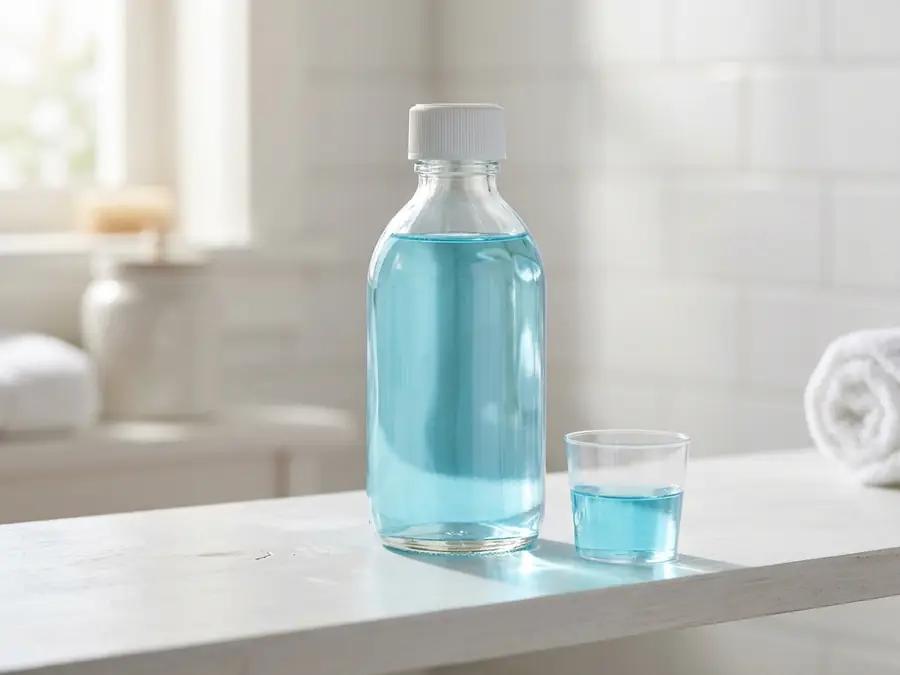
Types of mouthwash and what they do
| Type | What it does | How long? |
|---|---|---|
| Fluoride | Extra protection against decay; useful with braces, dry mouth or exposed roots | Can be used daily |
| Chlorhexidine | Strong antiseptic; plaque control after gum treatment and surgery | On a dentist's advice, usually 1–2 weeks |
| Cetylpyridinium chloride (CPC) and essential oils | Helps reduce plaque and gum inflammation | Products suitable for daily use are available |
| Alcohol-based | Can have an antiseptic effect | Can cause dryness and burning; not ideal for a dry mouth |
| Salt water | Soothing after extractions, for ulcers and gum irritation | Short term |
When should you use mouthwash?
Using mouthwash straight after brushing can wash away the fluoride from your toothpaste. It's more useful at a different time of day, for example after lunch. If you use chlorhexidine, wait at least 30 minutes after brushing, because some foaming agents in toothpaste can reduce its effect. Don't eat or drink for about 30 minutes after using mouthwash.
Does chlorhexidine mouthwash stain teeth?
Yes. With longer use it can cause brown staining on the teeth and tongue, changes in taste and more tartar build-up. The stains can usually be removed with a scale and polish. Because of these side effects, chlorhexidine should be limited to the period your dentist advises. We cover other causes of dark stains in black spots on teeth.
Is alcohol-based mouthwash harmful?
Alcohol-based mouthwashes can cause burning and dryness; people with a dry mouth, mouth ulcers or who should avoid alcohol are better off with alcohol-free products. A link between alcohol mouthwashes and mouth cancer has been studied without a clear conclusion; if you're concerned, choose alcohol-free. See causes of dry mouth and, for ulcers, mouth ulcers.
Does mouthwash cure bad breath?
Mouthwash can mask bad breath for a few hours but doesn't remove the cause. The most common sources are the coating on the tongue, debris between the teeth and gum disease. A lasting solution needs tongue cleaning, flossing and, if necessary, gum treatment. See bad breath causes and treatment and how to floss.
Who should use mouthwash, and who needs to be careful?
- People with braces and those at high risk of decay: fluoride mouthwash helps. See living with braces and is fluoride harmful?
- After gum treatment or surgery: the chlorhexidine mouthwash your dentist recommends, for the stated period.
- After an extraction: no mouthwash or rinsing for the first 24 hours; after that, rinse very gently with warm salt water. See dry socket.
- Children: usually not recommended under age 6 because of the risk of swallowing; older children need products made for children and adult supervision.
- Pregnant women and people with long-term conditions: check with a doctor before long-term use.
Oral care advice in Beylikdüzü
At Dent32 we advise in writing whether you actually need a mouthwash based on your gum health and decay risk and, if so, which type and for how long. For gum inflammation, see how to treat gum inflammation.
Dent32 is at Barış Mah., Ginza Lavinya, E-5 Yanyolu No:30 D:179, 34520 Beylikdüzü, Istanbul and is open seven days a week. To book, call or WhatsApp +90 555 011 33 68, or use our contact page. At the examination we share the findings, the options and the approximate cost in writing; you are under no obligation to start treatment afterwards.
Frequently asked questions
Can you use mouthwash every day?
Fluoride and alcohol-free mouthwashes can be used daily by most people. Chlorhexidine mouthwashes are used on a dentist's advice and usually for short periods such as 1–2 weeks.
Should I use mouthwash before or after brushing?
Using it straight after brushing can wash away fluoride from your toothpaste. It's more useful at a different time of day; with chlorhexidine, wait at least 30 minutes after brushing.
Does mouthwash stain teeth?
Long-term use of chlorhexidine mouthwash can cause brown stains. They can usually be removed with a scale and polish.
Can mouthwash replace brushing?
No. Mouthwash doesn't mechanically remove plaque stuck to the teeth; it adds protection on top of brushing and flossing.
Can children use mouthwash?
It's usually not recommended under age 6 because of the risk of swallowing. Older children can use products made for children under adult supervision.