Why do teeth hurt when drinking cold water? Short twinges versus lasting pain
The most common reason a tooth twinges with cold water is exposed dentine, the layer beneath the enamel, usually due to gum recession, enamel wear or brushing too hard. Decay, a cracked tooth, a new filling, whitening and scaling can also cause temporary or lasting sensitivity. A short twinge that fades within seconds once the cold is gone usually points to sensitivity, while pain that lingers or starts on its own needs an examination. The cause and treatment vary from person to person.
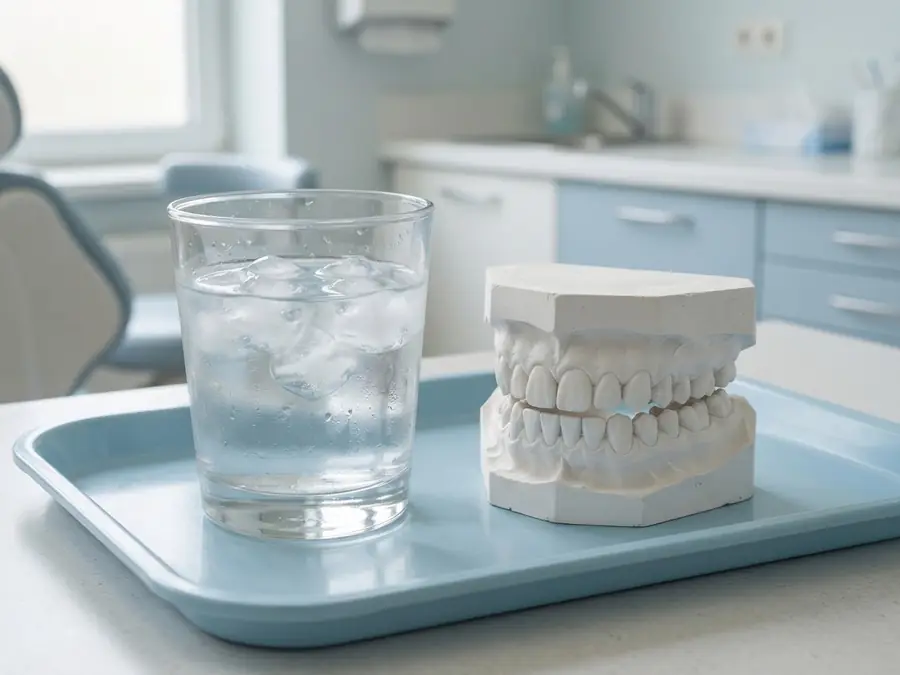
Why does cold make a tooth hurt?
Enamel covers the crown of the tooth and a thin layer of cementum covers the root. Beneath these lies dentine, which contains many microscopic tubules that run to the nerve. When enamel wears or the gum recedes and exposes the root, cold makes the fluid in these tubules move and stimulates the nerve, producing a short, sharp twinge.
Common causes
| Cause | Typical features |
|---|---|
| Gum recession | Twinge at the neck of the tooth, near the gum line; see receding gums |
| Enamel wear (erosion, hard brushing) | Several teeth, especially after acidic food; see enamel wear |
| Decay | One tooth, worse with sweet and cold; see signs of tooth decay |
| Cracked tooth | Sudden sharp pain on biting or with cold; see cracked tooth syndrome |
| New filling or crown | Sensitivity that eases over the following days or weeks; see pain after a filling |
| Whitening and scaling | Temporary sensitivity that usually settles within a few days |
| Clenching and grinding | Worn edges, tired jaw in the morning; see teeth grinding |
A short twinge or lasting pain?
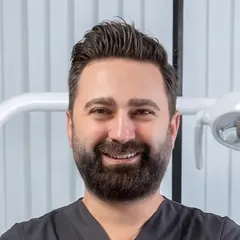 Dr. Hüseyin AşcıFounding dentist, Dent32 Beylikdüzü
I ask patients how long the twinge lasts once the cold is gone. A twinge that fades in seconds and pain that lasts for minutes can point to different things, so sharing this at the examination makes a real difference to the diagnosis.
Graduate of Istanbul University Faculty of Dentistry; works mainly on implants, All-on-4 and All-on-6, zirconia crowns and veneers. About Dr. Hüseyin Aşcı
- Short and sharp, fading within seconds once the cold is gone: usually sensitivity from exposed dentine.
- Throbbing pain that lasts for minutes after the cold is gone: may suggest the nerve inside the tooth is affected; needs an examination.
- Pain that starts on its own or wakes you at night: should be examined without waiting. See why toothache gets worse at night.
This is only a general guide; the diagnosis comes from an examination and, if needed, an X-ray.
What can you do at home?
- Use a desensitising toothpaste regularly for several weeks; the effect usually builds up over time.
- Use a soft brush and brush gently with small circular movements without pressing hard.
- Wait 30–60 minutes after acidic food and drink (citrus, fizzy drinks, vinegar) before brushing. See when to brush after eating.
- Drinking very cold drinks through a straw can reduce contact with the teeth.
- Use a fluoride toothpaste; it may help strengthen enamel. See can enamel be strengthened.
What can be done at the clinic?
The dentist first finds the cause: decay or a crack is treated if present. Exposed root surfaces can be treated with desensitising varnishes, fluoride applications or a thin layer of composite (bonding). If gum recession is marked, a gum graft may be discussed; see gum grafting. If you clench your teeth, a night guard may be suggested.
Which treatment is suitable varies from patient to patient. For more detail see tooth sensitivity.
Dent32 is at Barış Mah., Ginza Lavinya, E-5 Yanyolu No:30 D:179, 34520 Beylikdüzü, Istanbul and is open Monday to Saturday, 9:00–22:00. To book, call or WhatsApp +90 555 011 33 68, or use our contact page. At the examination we share the findings, the options and the approximate cost in writing; you are under no obligation to start treatment afterwards.
Frequently asked questions
My tooth hurts with cold water. Do I have a cavity?
It may be decay, but the most common cause is dentine exposed by gum recession or enamel wear. An examination and, if needed, an X-ray tell them apart.
How long does sensitive toothpaste take to work?
The effect usually appears within a few days to a few weeks of regular use and varies from person to person. Sensitivity can return if you stop using it.
Is sensitivity to cold normal after a filling?
Mild sensitivity to cold can occur in the days or weeks after a filling and usually eases. If it gets worse or pain starts on its own, contact your dentist.
Why do all my teeth hurt with cold water?
Sensitivity in several teeth is mostly linked to enamel wear, brushing too hard, gum recession or recent whitening.