

Teeth clenching and grinding (bruxism): symptoms and night guards
Bruxism is clenching or grinding the teeth without realising, during the day or in sleep. It can cause tooth wear, chips and cracks, damage to crowns and jaw pain; the most common protection is a custom-made night guard.
Signs of clenching and grinding
- Pain or tiredness in the jaw, temples or facial muscles on waking
- Morning headaches
- Flattened, worn teeth and chipped enamel
- Increased sensitivity to cold
- Clicking in the jaw or difficulty opening the mouth
- A partner noticing grinding noises at night
What causes it?
There's no single cause. Stress and anxiety, sleep disorders (especially snoring and sleep apnoea), caffeine, alcohol, smoking and some medications can increase the risk. Daytime clenching usually happens unconsciously during concentration or stress.
What is a night guard and how is it made?
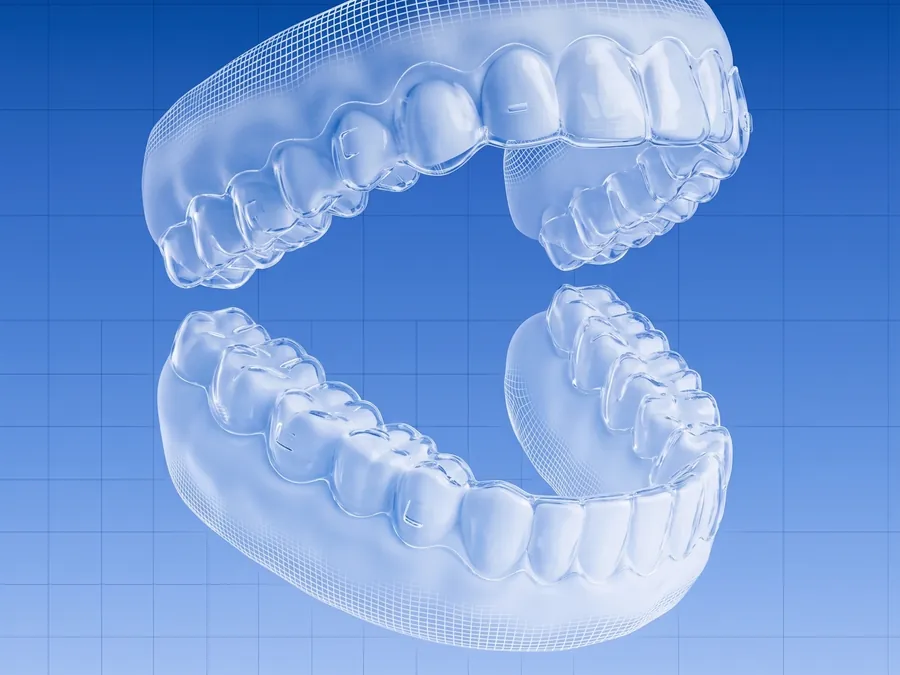
A night guard is a clear, rigid appliance made to fit your upper or lower teeth from an impression or digital scan. It doesn't stop grinding entirely, but it takes the force instead of your teeth, protecting them and any restorations and balancing the muscle load.
| Type | Features |
|---|---|
| Over-the-counter guards | Cheap but poor fit; not recommended long term |
| Soft custom guard | Comfortable, but can increase the chewing reflex in some people |
| Hard custom guard | The bite can be balanced; the most common choice for bruxism |
Other treatment options
- Awareness: Notice during the day whether your teeth are touching; at rest, with lips closed, teeth should be slightly apart.
- Muscle relaxation: Jaw exercises, warm compresses, physiotherapy.
- Botulinum toxin (Botox): After assessment, can be used in some patients to reduce excessive contraction of the chewing muscles; its effect is temporary.
- Sleep assessment: Referral to a specialist if snoring or sleep apnoea is suspected.
- Repairing damaged teeth: Worn teeth are restored with fillings, bonding or crowns.
Caring for your night guard
Rinse the guard with cold or lukewarm water every morning, clean it with a soft brush and store it dry in its case. Don't use hot water, which can warp it. Bring it to your check-ups. For restoring worn teeth, see types of dental crowns and dental bonding.
A night guard is different from orthodontic aligners: it doesn't move teeth, it only protects them. For aligners, see clear aligners or braces.
Frequently asked questions
Will a night guard stop me grinding?
Not always, but it protects teeth and restorations from wear and can reduce the load on the muscles.
How long does a night guard last?
Depending on how hard you grind, usually several years. It's replaced if it wears through, cracks or no longer fits.
Is grinding normal in children?
Night grinding is common with baby teeth and often decreases on its own. If there's pain, marked wear or sleep problems, it should be assessed.
Can someone having aligner treatment use a night guard?
Aligners protect the teeth to some extent during treatment. If grinding continues afterwards, a retainer and night guard can be planned together.