Types of dental crowns: zirconia, e.max, porcelain and veneers compared
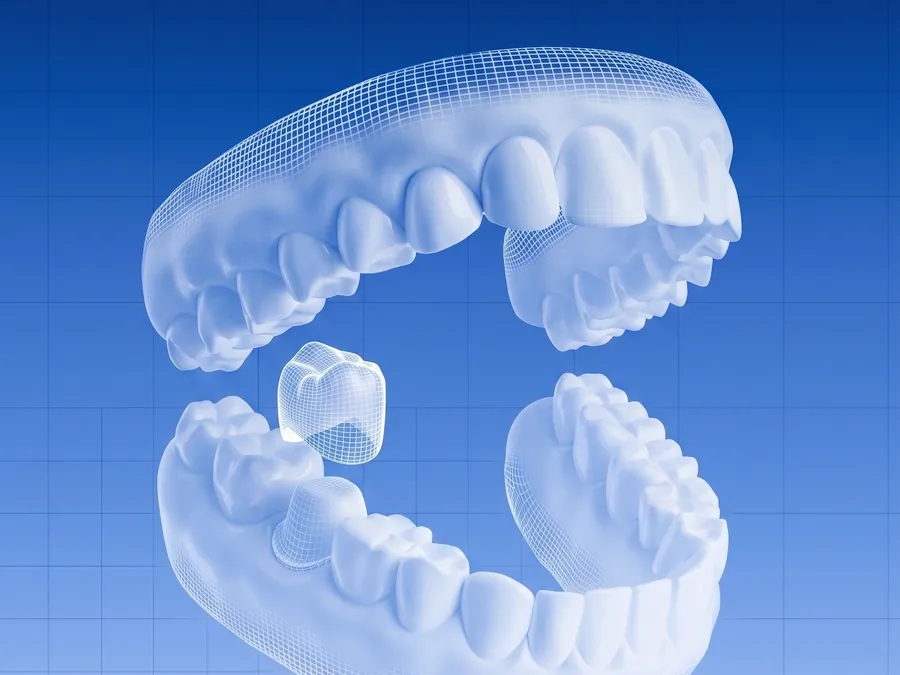
A dental crown is a restoration that fully covers and protects a worn, broken, discoloured or root-filled tooth. The most common options are zirconia, e.max glass ceramic and porcelain fused to metal; a laminate veneer covers only the front surface and removes less tooth structure.
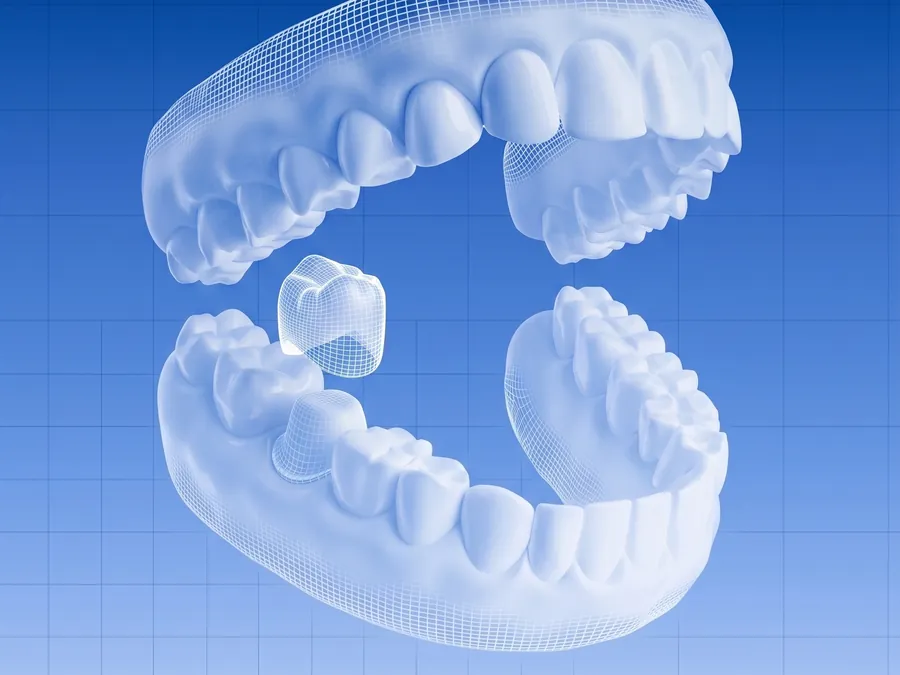
When is a crown needed?
- Teeth weakened by large fillings
- Broken or cracked teeth
- After root canal treatment, especially back teeth
- Severe discolouration that whitening can't lift
- Teeth supporting a bridge, and teeth on implants
- Comprehensive correction of shape and size
Crown types compared
| Type | Aesthetics | Strength | Typical use |
|---|---|---|---|
| Zirconia | Natural-looking, metal-free | Very high | Front and back teeth, bridges, on implants |
| E.max (lithium disilicate) | Very high translucency | High | Front teeth, single crowns, veneers |
| Porcelain fused to metal | Good, but more opaque | High, long clinical track record | Back teeth, long bridges |
| Laminate veneer | Very high | High in the right case | Front surface of front teeth |
We compare zirconia and porcelain in zirconia or porcelain, explain e.max in what are e.max crowns, and cover veneers in our laminate veneer guide.
Which crown is right for you?
The choice depends on how much healthy tooth remains, where the tooth is, your bite force, whether you grind your teeth, your gum level and your aesthetic goals. Translucency matters most at the front; fracture resistance matters most at the back.
If a tooth is healthy and only its colour or shape needs changing, more conservative options such as veneers or bonding should be considered first. Unnecessary full crowns sacrifice healthy tooth structure.
How does crown treatment proceed?
| Stage | What happens |
|---|---|
| Examination and planning | X-rays, smile design if needed, shade selection |
| Tooth preparation | Under local anaesthetic, the tooth is reduced by the thickness of the crown |
| Impression | Digital scan or conventional impression; temporary crowns fitted |
| Try-in | Fit, shade and shape checked |
| Cementation | The final crown is bonded and the bite checked |
In most cases treatment is completed within 1–2 weeks. The number of visits depends on how many teeth are treated and whether other treatment is needed.
How long do crowns last?
Well-planned, well-maintained crowns last ten years or more for most patients. The biggest threats are decay at the margins, gum disease and grinding. For sensitivity and care after crowns, see our aftercare guide. You can read about crown options at our Beylikdüzü clinic in the treatments section.
Frequently asked questions
How much is the tooth reduced for a crown?
It depends on the material, typically around 1–2 mm. For a veneer, only 0.3–0.7 mm is removed from the front surface, sometimes none.
Can a crowned tooth decay?
The crown itself can't decay, but the tooth underneath can, especially at the gum line. That's why flossing and regular check-ups matter.
Can crowns be whitened?
No. Crowns, fillings and veneers don't change colour with whitening. If you're considering whitening, do it before your crowns are made.
Does a root-filled tooth need a crown?
Back teeth are more prone to fracture after root canal treatment, so a crown is often recommended. Front teeth and teeth with little tissue loss may only need a filling.