
What are e.max crowns? How they differ from zirconia and who they suit
E.max is a highly translucent crown material made from a glass ceramic called lithium disilicate. It stands out for its natural look on front teeth; because it's slightly less strong than zirconia, it's chosen with care for back teeth and for people who grind.
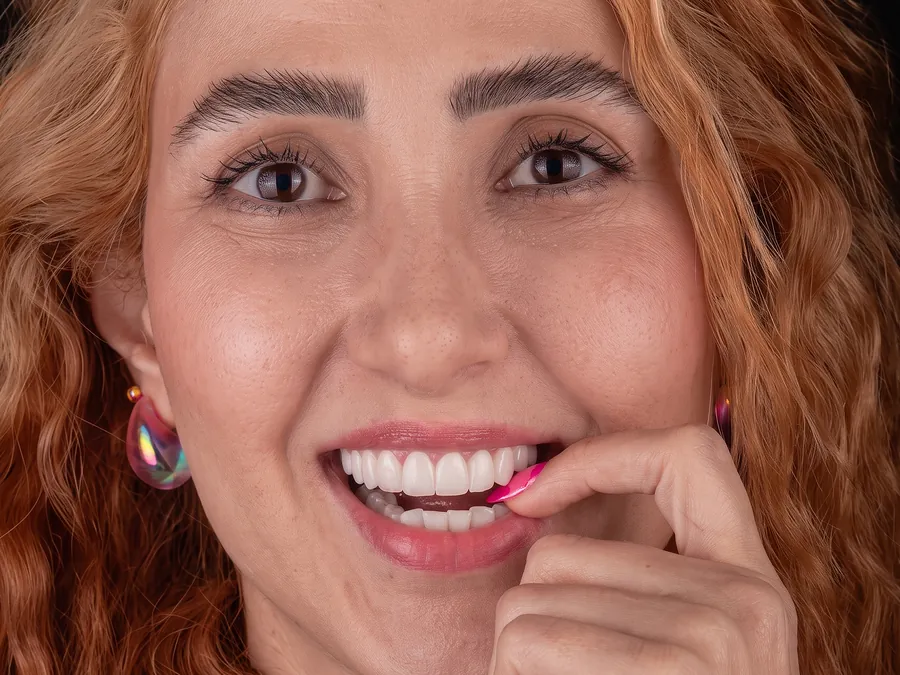
What exactly is e.max?
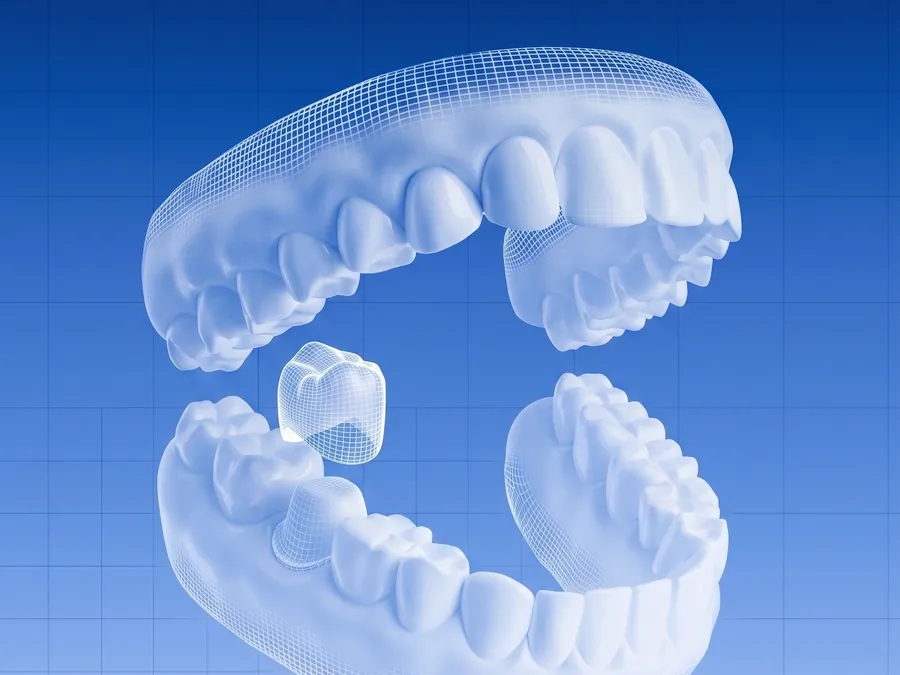
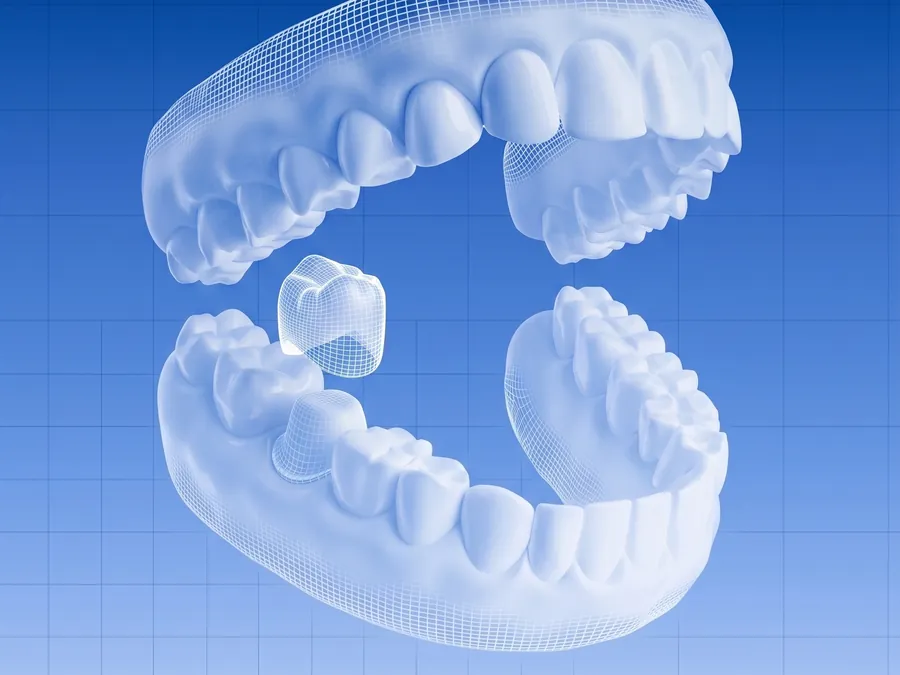
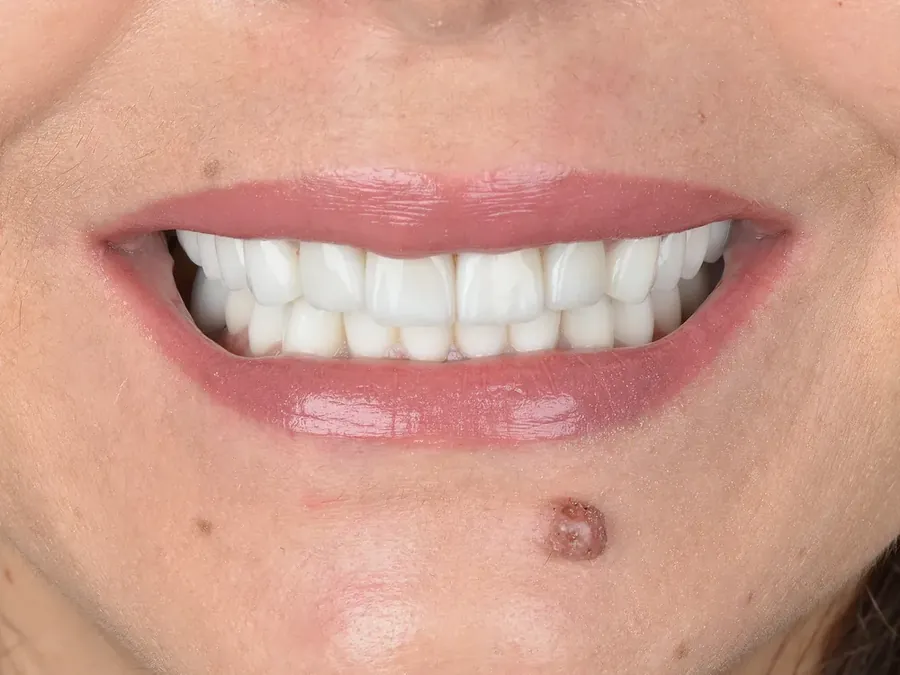
E.max is a glass ceramic system for metal-free, all-ceramic restorations. It transmits and reflects light very much like natural enamel, so it blends well with neighbouring natural teeth, especially at the front.
It can be made as crowns, laminate veneers, inlays and onlays. Because it's bonded to the tooth surface (adhesive cementation), it can be made thin, allowing less tooth structure to be removed.
E.max versus zirconia
| Feature | E.max | Zirconia |
|---|---|---|
| Translucency | Very high | High (improved in newer zirconias) |
| Fracture resistance | High | Very high |
| Minimum thickness | Can be made thin | Usually needs a little more thickness |
| Bridges | Limited to short front bridges | Suitable for long bridges and implants |
| Typical use | Front teeth, veneers, single crowns | Back teeth, bridges, on implants |
For zirconia versus porcelain fused to metal, see zirconia or porcelain.
Who are e.max crowns for?
- People with colour, shape or small chip problems on front teeth
- Smile design cases where a natural look is the top priority
- Situations where minimal tooth removal is wanted (veneers, inlays and onlays)
For people who grind at night, or in back teeth with heavy chewing forces, zirconia is usually the safer choice. If you grind, a night guard is recommended whatever the material.
How long does e.max last?
Used in the right case and well bonded, e.max restorations last for many years. The key factors are case selection, controlling grinding and oral hygiene. See our guide to sensitivity and care after crowns.
How is the choice made?
Smile design cases often combine both: e.max at the front and zirconia at the back, balancing aesthetics and strength. See our smile design guide, or compare all options in types of dental crowns.
Frequently asked questions
E.max or veneers?
A veneer is a type of restoration; e.max is a material. Veneers are often made from e.max glass ceramic. How much of the tooth is covered (front only or all of it) depends on the tooth's condition.
Can e.max break?
Fractures are rare when the case is right and the thickness is adequate. Grinding, biting hard objects (pens, seeds, ice) and insufficient thickness raise the risk.
Does e.max stain?
No. The glass ceramic surface resists staining from tea, coffee and smoking. Any staining at the edges can usually be polished away.
Can e.max be used on back teeth?
It can be used for single crowns on back teeth, but with heavy bite forces or grinding, zirconia is usually safer.