
Zirconia crowns in Beylikdüzü: how many visits, who they suit and what affects the price
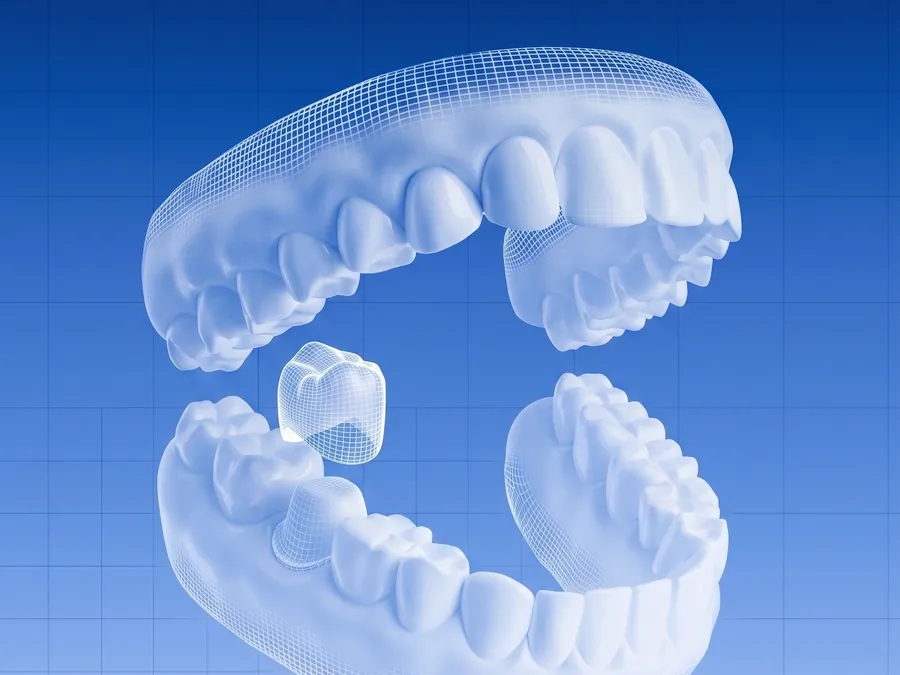
A zirconia crown is a strong, metal-free cap bonded over a worn, broken, discoloured or root-filled tooth. From examination to fitting, most patients need 3–4 appointments over about 1–2 weeks.
What is a zirconia crown?
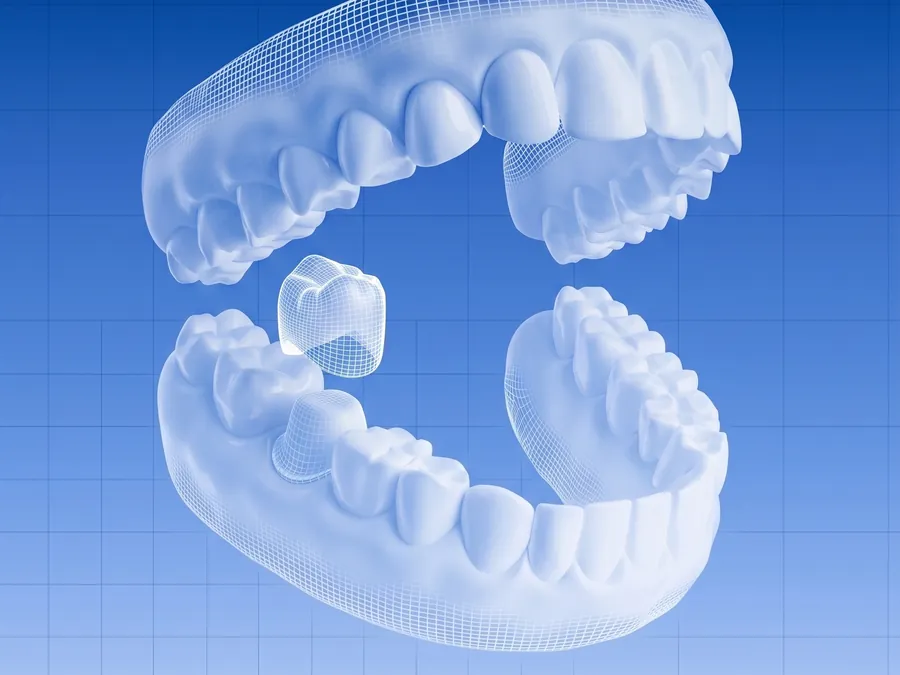
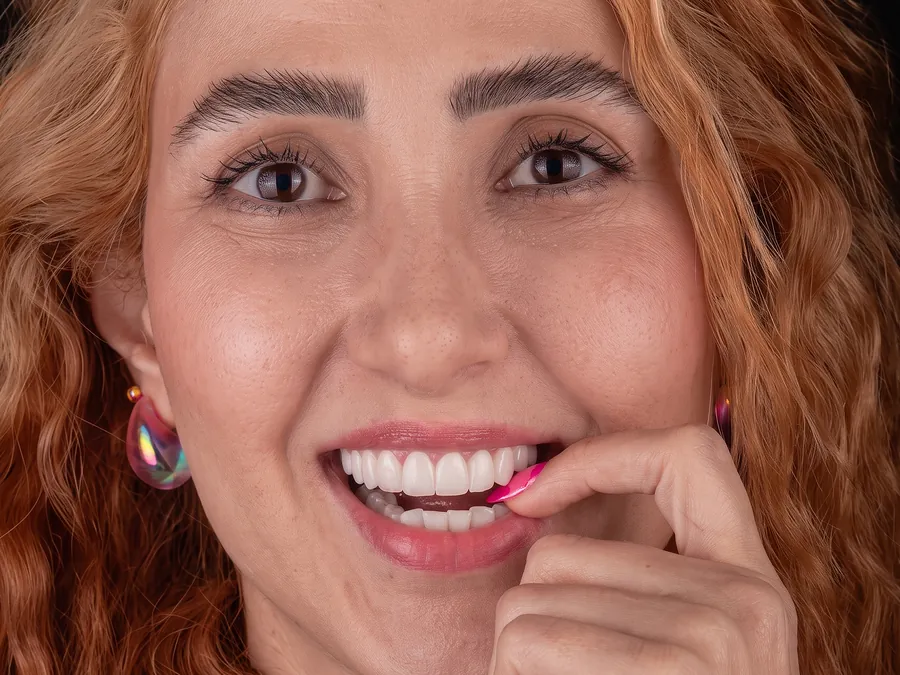
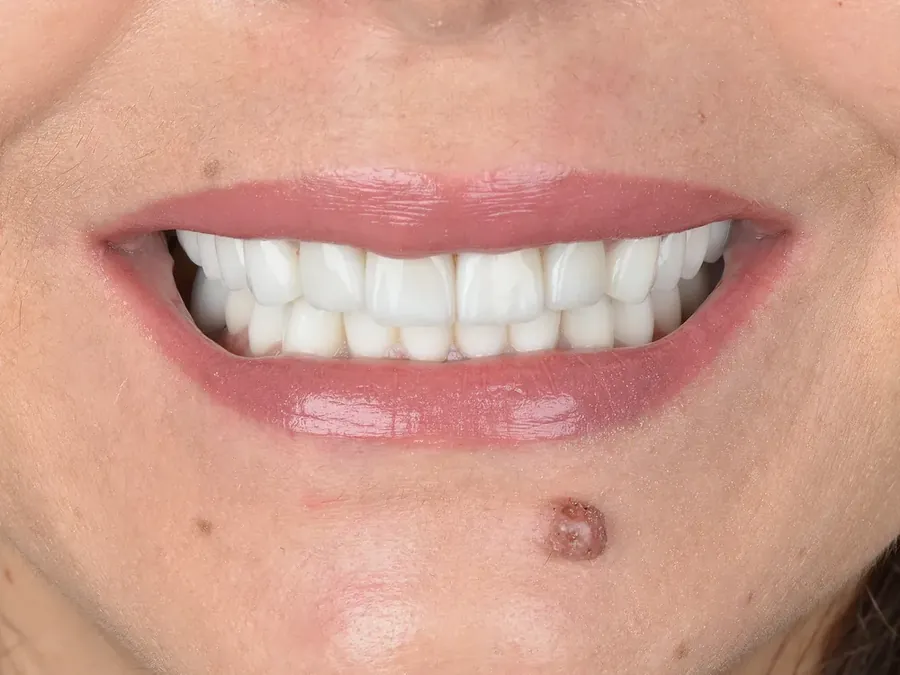
Zirconia is a high-strength ceramic. With no metal underneath, there's no dark line at the gum edge and light passes through in a way close to a natural tooth. That's why it's widely used for both front and back teeth.
For back teeth that carry chewing loads, solid (monolithic) zirconia is usually chosen; for front teeth, porcelain can be layered on top for a more lifelike look. We compare materials in our types of dental crowns article.
Who are they for?
- Teeth weakened or broken by large fillings
- Back teeth that need strengthening after root canal treatment
- Severe discolouration that doesn't respond to whitening
- Bridges to replace a missing tooth, or crowns on implants
- People replacing old metal-backed crowns
If the tooth is largely sound and only the front surface needs an aesthetic change, a laminate veneer, which needs less reduction, may be a better choice.
How many visits and how many days?
| Stage | What happens | Typical time |
|---|---|---|
| 1. Examination and plan | X-rays, gum and bite check, colour and shape plan | 1 visit |
| 2. Preparation and impressions | Teeth are reduced under local anaesthetic, impressions taken, temporary crowns fitted | 1 visit (1–2 hours) |
| 3. Try-in | The framework or crown is tried in; colour and fit are checked | 1 visit |
| 4. Fitting | Crowns are permanently bonded and the bite adjusted | 1 visit |
The lab work between impressions and fitting usually takes 5–10 working days. It takes longer if root canal treatment, fillings or gum treatment are needed first. Because we're open at weekends, it's easier to fit appointments around your work.
How much is the tooth reduced? Does it hurt?
For a zirconia crown, roughly 1–1.5 mm is usually removed around the tooth, more than for a veneer. It's done under local anaesthetic, so no pain is expected. There may be some hot and cold sensitivity for a few days afterwards; the temporary crown protects the tooth meanwhile.
We explain what sensitivity is normal in our sensitivity after crowns article.
What affects the price?
| Factor | Explanation |
|---|---|
| Number of teeth | A single tooth, a few teeth or a full smile plan |
| Type of zirconia | Monolithic or porcelain-layered; front and back teeth have different needs |
| Preliminary treatment | Whether root canal treatment, fillings or gum treatment are needed |
| Aesthetic expectations | Extra lab work for colour and surface detail on front teeth |
| On an implant? | Implant crowns also include connecting parts |
We give every item in writing after the examination. General price factors are covered in our dental treatment prices in Beylikdüzü article.
How long do zirconia crowns last?
Well-planned, well-maintained zirconia crowns can last many years. The main factors are the health of the tooth underneath, keeping the gum edge clean and whether you clench or grind. If you grind at night, a night guard protects your crowns.
You can see unretouched cases in our gallery and book at our dental clinic in Beylikdüzü to discuss your own situation.
Frequently asked questions
Can zirconia crowns be done within a week?
If no preliminary treatment is needed, 5–10 working days between impressions and fitting is enough for most patients. Root canal or gum treatment adds time.
Do zirconia crowns change colour over time?
No. Zirconia and porcelain surfaces don't stain permanently from tea, coffee or smoking, although surrounding natural teeth and the gum edge can.
Should I whiten my teeth before getting crowns?
The crown colour is matched to neighbouring natural teeth. If you want lighter teeth, whiten first; crowns don't whiten afterwards.
Can a crowned tooth decay?
The crown itself can't, but natural tooth at the gum edge can. Floss, interdental brushes and regular check-ups reduce the risk.
Zirconia or porcelain?
Compared with metal-backed porcelain, zirconia is more aesthetic and kinder to the gums. The choice depends on the tooth's position, bite forces and aesthetic expectations, and is made at the examination.