
What is smile design and who is it for?
Smile design is a planning method that sets the length, shape and colour of the teeth and the gum line according to your facial proportions, and lets you see the result before treatment begins.

What exactly does smile design involve?
Smile design is not a single procedure but a way of planning. First, your face, lips and teeth are examined as a whole: how much tooth shows when you talk and smile, your facial midline, the gum level and the proportions between teeth.
This is recorded with photos, video and an intraoral scan. The intended result is then designed digitally. The design works like a prescription: it shows which tooth needs which treatment — and where nothing should be done at all.
Who is it suitable for, and who is it not?
Smile design usually makes sense for people with more than one aesthetic concern who want to solve them in a single plan:
- The length, shape or colour of the teeth looks out of balance with the face
- There are gaps, chips or worn edges
- Too much gum shows when smiling, or the gum line is uneven
- Old crowns and fillings no longer match in colour
Untreated decay, gum disease or a significant bite problem must be dealt with first. An aesthetic plan is built on a healthy foundation.
How does the process work, step by step?
The table below gives a general framework. The exact timeline depends on which treatments the plan includes and is set after the examination.
| Stage | What happens | Typical time |
|---|---|---|
| Examination and records | Clinical exam, X-rays, photos, video and scan | 1 appointment |
| Digital design | Planning target tooth length, shape and proportions | A few days |
| Trial (mock-up) | Trying the design in the mouth with temporary material | 1 appointment |
| Treatment | Treatments according to the approved plan | Depends on the treatment chosen |
| Review | Fit, bite and maintenance check | 1 appointment |
Which treatments can be part of smile design?
The plan is shaped around you. For some patients whitening and a little bonding are enough; others need a combination of treatments:
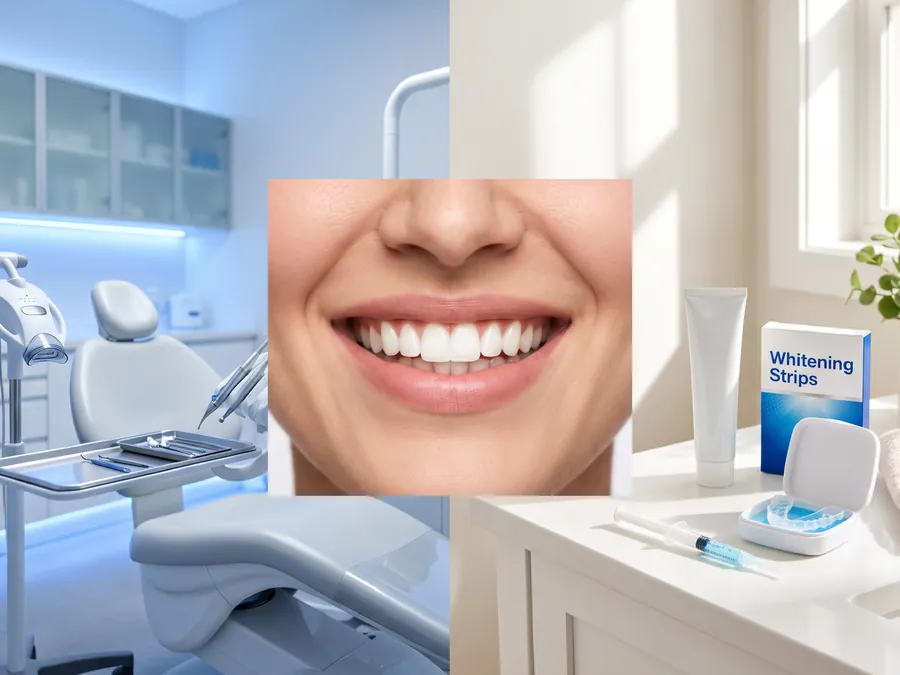
- Teeth whitening: to lighten natural teeth
- Orthodontics / clear aligners: to align crowded teeth without reducing them
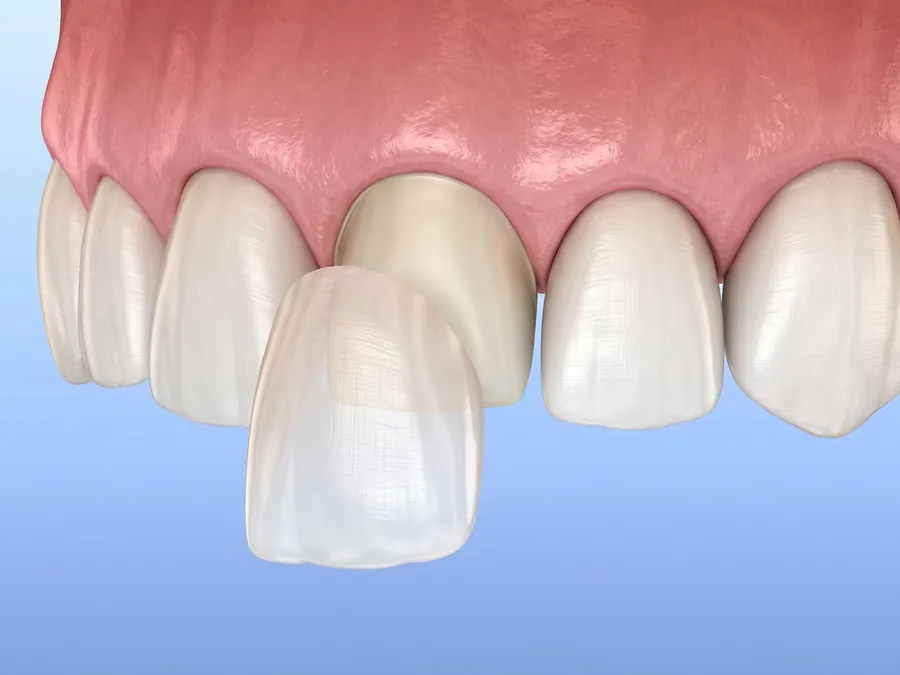
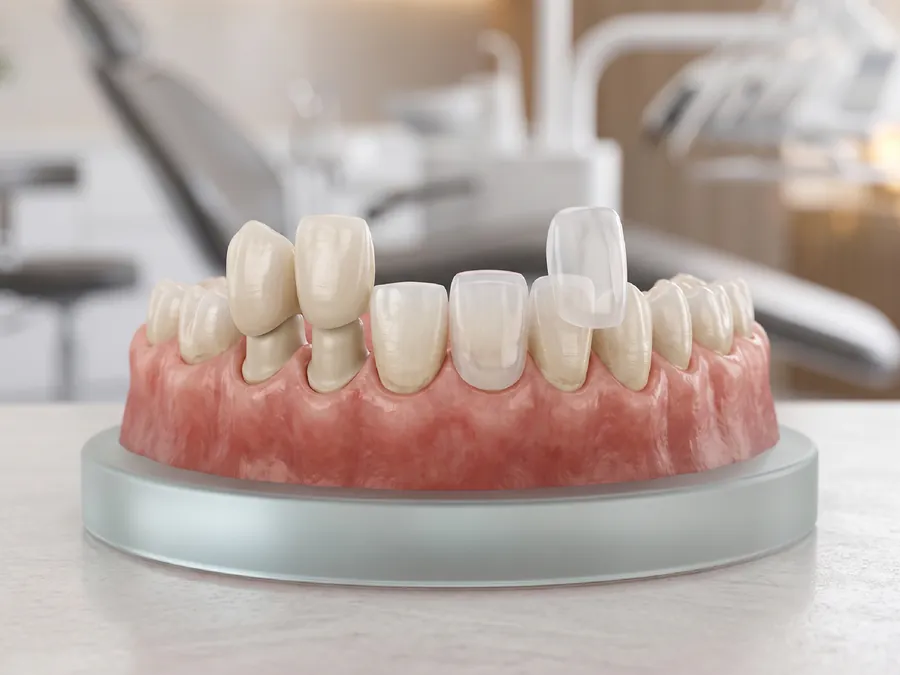
- Laminate veneers: thin porcelain layers to change shape and colour
- Zirconia crowns: for teeth with more tissue loss
- Gum contouring: to balance the gum line
Smile design does not always mean reducing teeth. The least invasive option that preserves the natural tooth should always be considered first.
What affects the cost?
There is no single price for smile design; the cost follows the content of the plan. Getting an itemised written plan after the examination is the soundest way to compare.
| Factor | Effect on cost |
|---|---|
| Number of teeth treated | A plan for 6, 8 or 10 visible teeth costs differently |
| Material chosen | Veneers, zirconia or bonding differ in cost and lifespan |
| Preliminary treatment | Orthodontics, gum treatment or decay treatment may be needed |
| Laboratory and digital workflow | Custom design and trial stages are part of the plan |
Frequently asked questions
Is smile design painful?
The design and trial stages are painless. Treatments that require tooth preparation are done under local anaesthetic; there may be short-term sensitivity afterwards.
Can I see the result in advance?
Yes. With the digital design and an in-mouth trial (mock-up), you see the result on your own face before any permanent work.
Do my teeth have to be reduced?
No. The plan may consist of non-invasive treatments such as whitening, orthodontics or bonding. If reduction is needed, the reason and amount are explained before starting.
How long does the result last?
It depends on the treatments used, oral hygiene and habits. Porcelain restorations can last many years; regular check-ups extend their life.