
Zirconia or porcelain? What to consider when choosing a crown
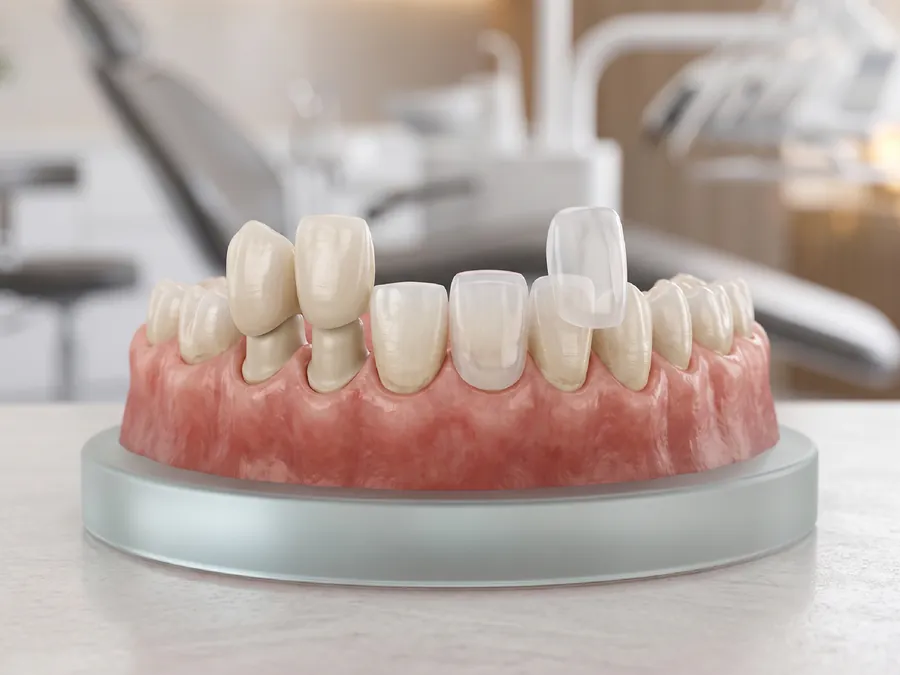
Zirconia and porcelain-fused-to-metal are two common types of dental crown; the key difference is whether the framework underneath is metal or zirconia ceramic.
What is the difference between them?
| Feature | Zirconia | Porcelain-fused-to-metal |
|---|---|---|
| Framework | Zirconia ceramic (no metal) | Porcelain over a metal alloy |
| Translucency | High, natural look | More opaque because of the metal |
| Gum margin | No dark line | A dark edge may show if gums recede |
| Strength | Very high | High, with a long clinical track record |
| Tissue compatibility | Highly biocompatible | May not suit people with metal allergies |
Which is better for front teeth?
Because appearance is the priority for front teeth, metal-free options are usually preferred. Zirconia transmits light much like a natural tooth and doesn't cast a shadow at the gum line.
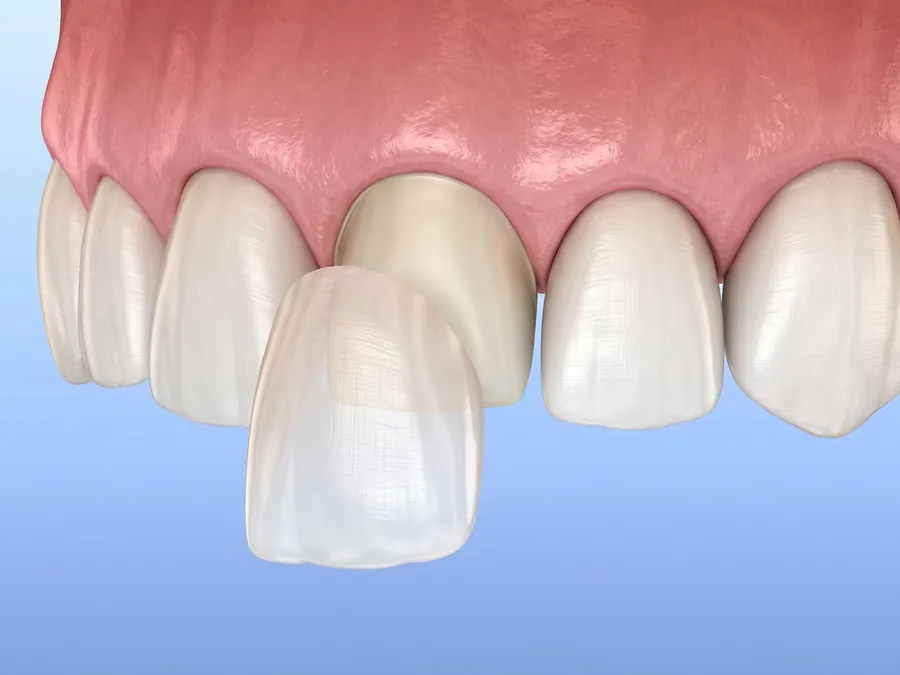
If the tooth is sound and only its appearance needs changing, options that remove less tooth tissue — such as laminate veneers or glass ceramics (e.max) — are also considered instead of a full crown.
Which is better for back teeth?
Back teeth take high chewing forces. Monolithic (single-piece) zirconia is very resistant to fracture in this area. Porcelain-fused-to-metal has also been used successfully in the back of the mouth for many years.
The choice takes into account the opposing teeth, any clenching habit and the gum level.
How long do crowns last?
Well-planned, correctly placed crowns serve most patients for many years; ten years or more is common. The main factor in their lifespan is usually not the material but oral hygiene.
- Cleaning between teeth is essential to prevent decay at the crown margin.
- If you clench, wear a night guard.
- Regular check-ups monitor margin fit and gum health.
How does the crown process work?
| Stage | What happens | Typical time |
|---|---|---|
| Examination | X-rays; root canal or gum treatment if needed | 1 appointment |
| Preparation and impressions | Tooth preparation, digital or conventional impressions, temporaries | 1 appointment |
| Try-in | Fit, colour and bite check | 1 appointment |
| Cementation | Permanent cementation and final check | 1 appointment |
Including laboratory time, most patients complete the process in about a week; it takes longer if preliminary treatment is needed.
What affects the cost?
| Factor | Explanation |
|---|---|
| Material | Monolithic or layered zirconia, porcelain-fused-to-metal |
| Number of teeth | Single crown, bridge or full-mouth plan |
| Preliminary treatment | Root canal treatment, fillings, gum treatment |
| Laboratory work | Hand finishing for colour and form matching |
Frequently asked questions
How much are teeth reduced for zirconia crowns?
Because a crown covers all surfaces, a certain amount of tooth is reduced. The amount depends on the material and the tooth; your dentist explains it before starting.
Does zirconia change colour?
No. Zirconia and porcelain don't stain. Neighbouring natural teeth can change colour over time, though.
Will the crowned tooth hurt?
The procedure is done under local anaesthetic. There may be hot and cold sensitivity for a few days afterwards.
I have a metal allergy — which should I choose?
Metal-free zirconia or all-ceramic options are suitable.