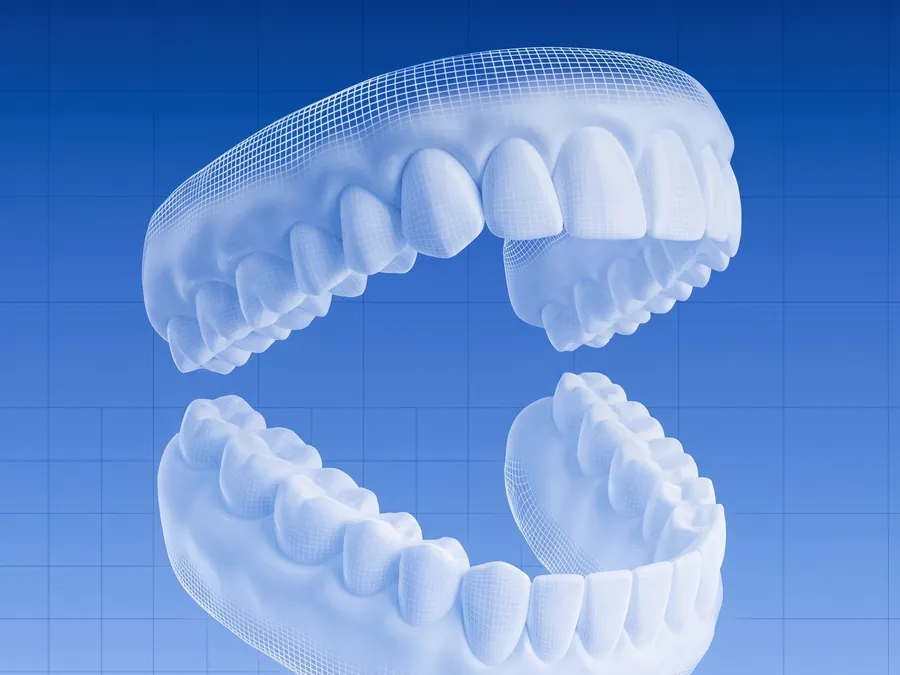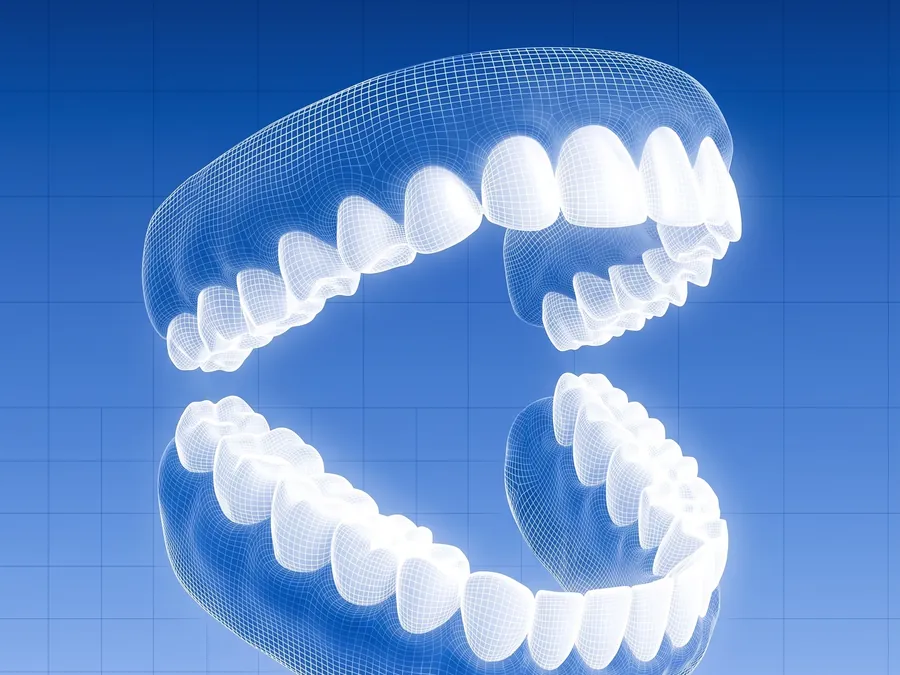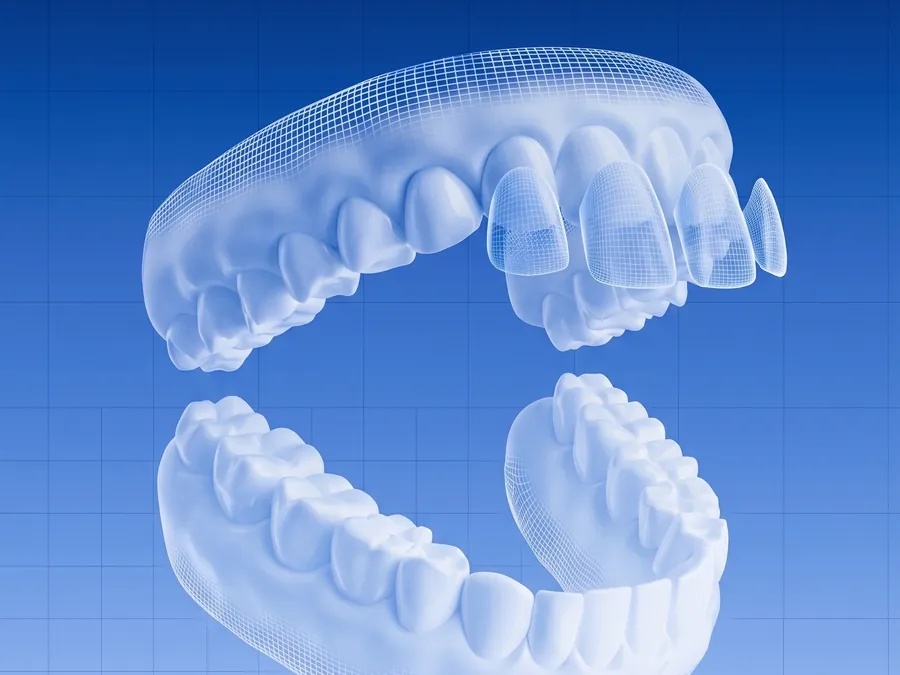

What is dental bonding? Cosmetic correction without drilling
Bonding is a cosmetic procedure in which tooth-coloured composite resin is applied to the tooth in layers and shaped. Often little or no tooth structure is removed and it's completed in one visit; it costs less than porcelain veneers but is less resistant to staining and wear.
How is bonding done?
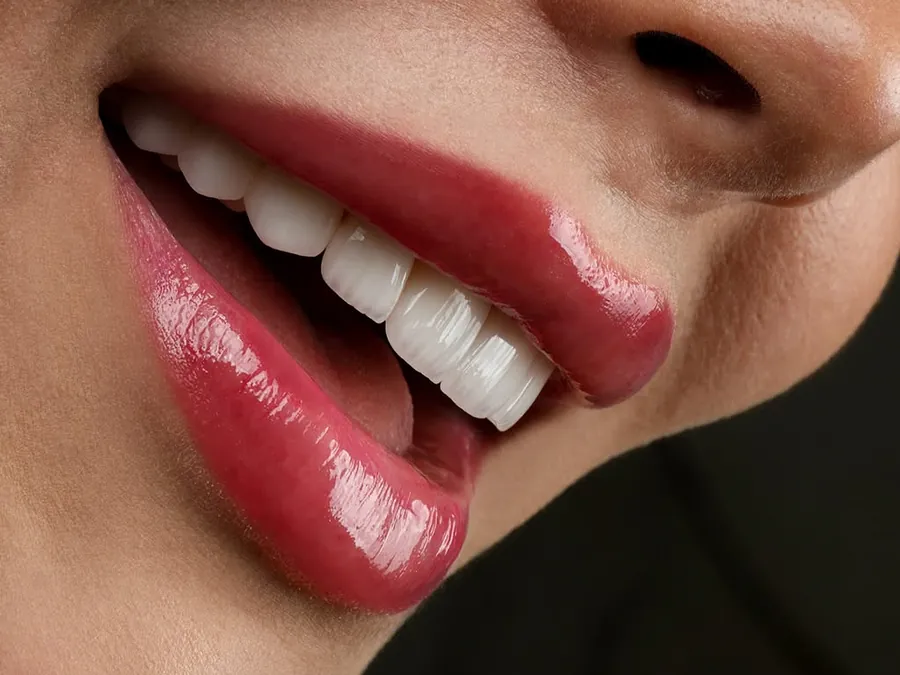
The tooth surface is lightly roughened, a bonding agent is applied, and tooth-coloured composite resin is built up in layers and hardened with a curing light. It's then shaped and polished. It usually takes 30–60 minutes per tooth and often needs no anaesthetic.
When is bonding used?
- Small chips and cracks on front teeth
- Small gaps between teeth (diastema)
- Short or misshapen teeth
- Localised stains that whitening can't lift
- Exposed root surfaces due to gum recession
Bonding or porcelain veneers?
| Feature | Bonding (composite) | Porcelain veneer |
|---|---|---|
| Tooth reduction | Usually none or minimal | Usually 0.3–0.7 mm |
| Visits | Usually one | 2–3 (impression and laboratory) |
| Colour stability | Can stain over time with tea and coffee | Doesn't change colour |
| Durability | Edges can chip and wear | More durable |
| Repair | Easily repaired in the mouth | Usually replaced if broken |
| Cost | Lower | Higher |
For details on porcelain veneers, see our laminate veneer article.
How long does bonding last?
Depending on care and habits, bonding usually lasts several years up to around ten. Polishing and small repairs may be needed along the way. Nail biting, chewing pens and grinding shorten its life.
Aftercare
- Avoid strongly coloured food and drinks (coffee, tea, red wine, cola) for the first 48 hours
- Brush and floss regularly
- Have the surface polished at check-ups
- Don't bite hard objects with your front teeth
For a more comprehensive change, options are assessed together through smile design. For tooth colour, see our teeth whitening guide.
Frequently asked questions
Are teeth drilled for bonding?
In most cases no drilling is needed, or only light roughening of the surface. That makes bonding one of the most reversible cosmetic options.
Does bonding turn yellow?
Composite can pick up stains from tea, coffee and smoking over time. Regular polishing helps keep the colour.
Does bonding hurt?
It usually needs no anaesthetic and is painless. Local anaesthetic can be used for sensitive areas.
Can gaps between teeth be closed with bonding?
Small and moderate gaps can often be closed with bonding. For large gaps or crowding, orthodontics is assessed first.