
Teeth whitening: in the clinic or at home? How long does it last?
Teeth whitening is a dentist-supervised procedure that lightens tooth colour by breaking down pigments in the enamel and dentine with peroxide-based gels.
What is the difference between in-clinic and at-home whitening?
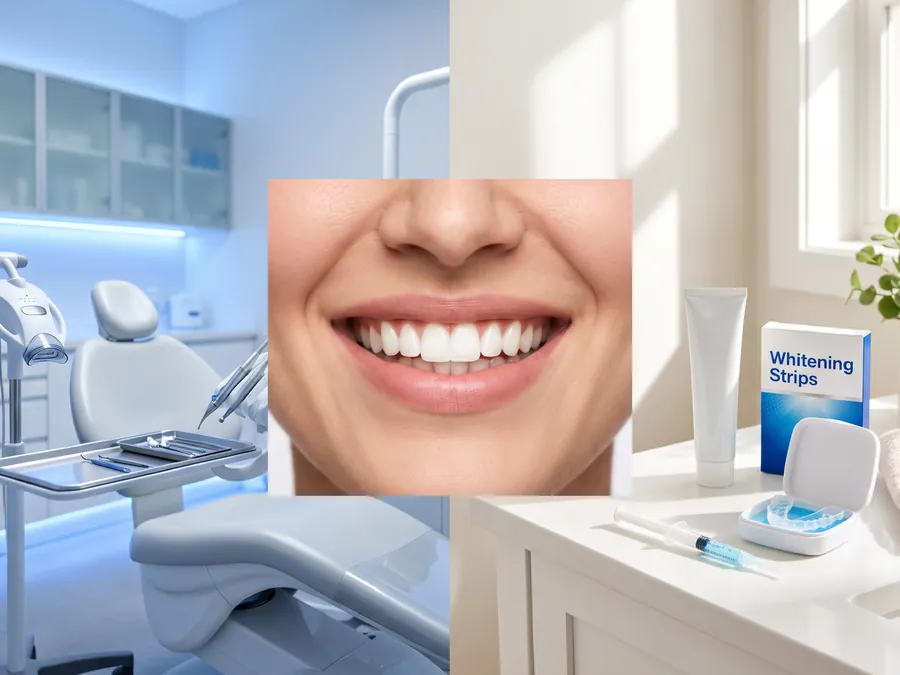
Both methods use the same active ingredient; the difference is gel concentration and application time.
| Method | How it's applied | Typical time | Who it suits |
|---|---|---|---|
| In-clinic (in-office) | Gums are protected; a high-concentration gel is applied by the dentist | One session, about 1–1.5 hours | Those who want a quick result |
| At home (with trays) | Low-concentration gel in custom-made trays | Usually 1–2 weeks of daily use | Those who want gradual, controlled lightening |
| Combined | Start in the clinic, continue at home | One clinic session + short home use | Those who want a more pronounced, even result |
Over-the-counter products are usually very low in concentration, and because the trays aren't custom-made the gel can reach the gums. Dentist-supervised whitening gives more predictable results.
How long does whitening last?
The result is not permanent; teeth gradually pick up colour again. How quickly depends on habits. Tea, coffee, red wine and smoking bring the colour back faster.
Most patients notice the effect for one to several years. If you keep your home trays, short top-up applications can be done on your dentist's advice.
Does it cause sensitivity or damage enamel?
Temporary sensitivity is a common side effect and usually settles on its own within a few days. Desensitising toothpaste and adjusting application intervals help.
Studies have shown that whitening at recommended concentrations under a dentist's supervision does not permanently damage enamel. The real risk is uncontrolled, excessive use.
When doesn't whitening work?
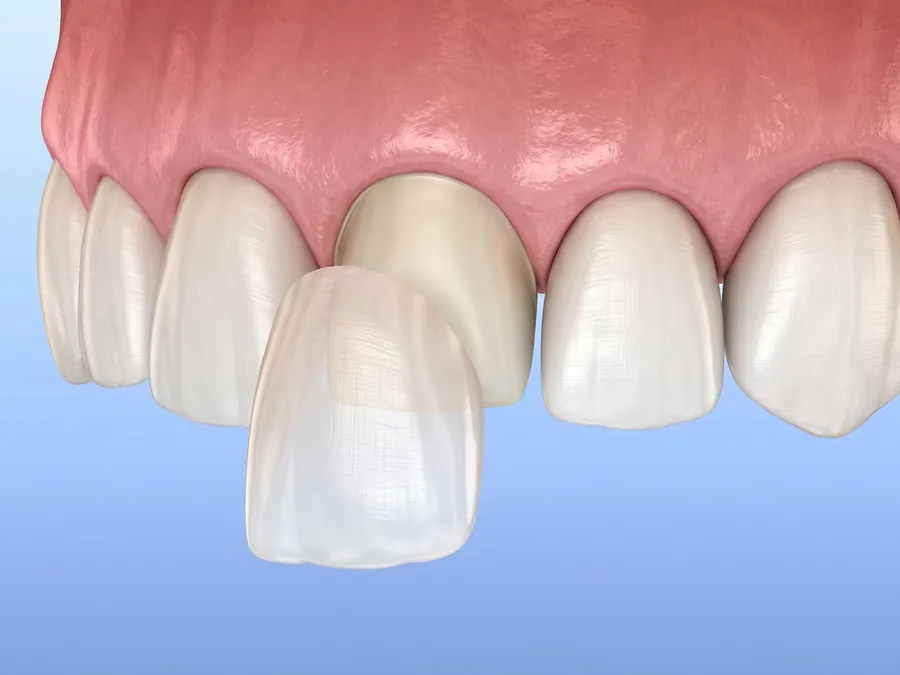
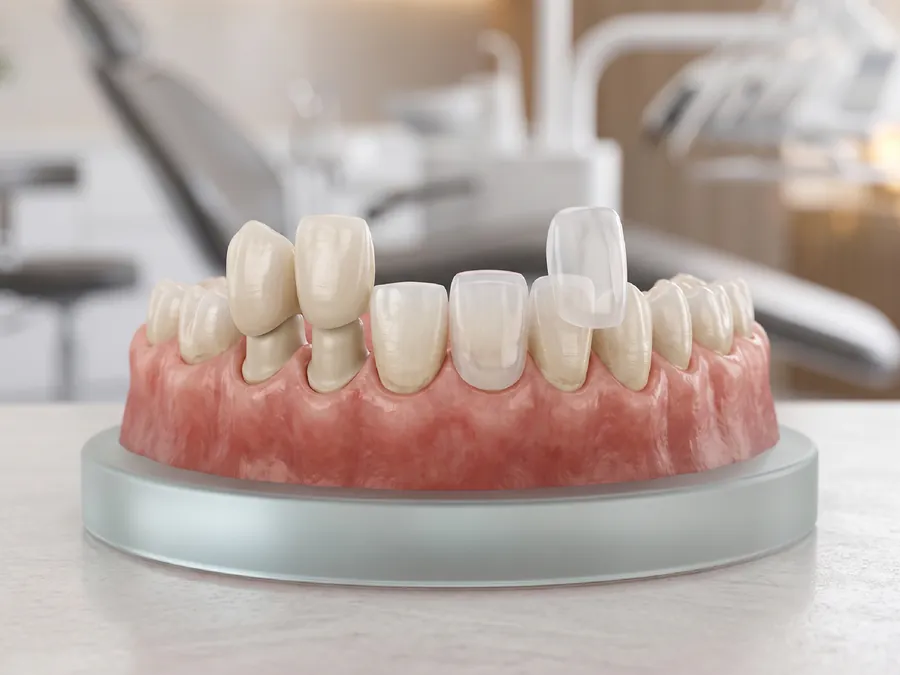
- Crowns, fillings and veneers: restorations don't whiten, so a colour mismatch may appear afterwards.
- Some medication-related staining: for example, tetracycline stains respond only partly.
- Dark root-treated teeth: special internal whitening may be needed.
In these cases options such as veneers or crowns are discussed.
What should I watch out for after whitening?
- Avoid tea, coffee, cola, red wine and coloured sauces for the first 48 hours.
- Try not to smoke during this time.
- If teeth are sensitive, cut down on very hot and very cold food for a few days.
- Check-ups and cleaning every six months help keep the colour.
Frequently asked questions
How many shades lighter will my teeth get?
It depends on the starting colour and type of staining. Yellowish teeth usually respond well; greyish discolouration lightens less.
Can I whiten my teeth while pregnant?
Whitening is not recommended during pregnancy or breastfeeding; it is best postponed until afterwards.
Is whitening painful?
No pain is expected during the procedure. Some patients have temporary sensitivity and brief twinges.
Will my crowns whiten too?
No. Porcelain and zirconia restorations don't change colour. If you have restorations on front teeth, colour matching should be planned in advance.