
Gums bleeding when brushing: is it normal and what should you do?
Gums bleeding when you brush is common, but it is not normal for healthy gums; it mostly points to gum inflammation caused by plaque along the gum line. Avoiding the area because it bleeds lets more plaque build up; gentle, regular cleaning with a soft brush may reduce the bleeding within a week or two for most people. The cause and how long it lasts vary from person to person; if there is tartar, a professional clean is needed.
Why do gums bleed?
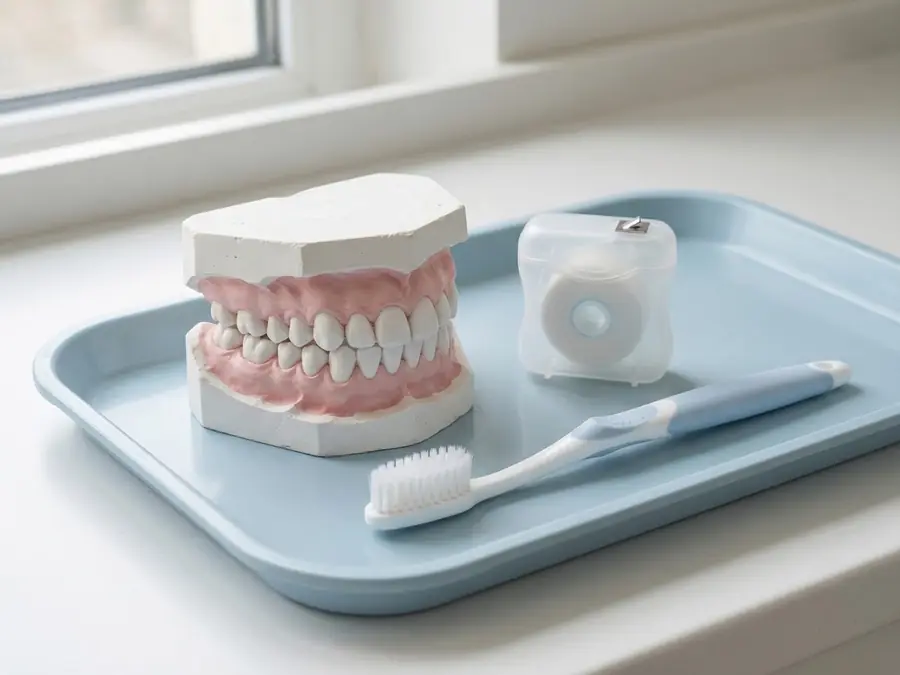
Plaque left where the tooth meets the gum causes gum inflammation (gingivitis). Inflamed gums turn red, swell and bleed even with light contact from a brush or floss. This is the most common reason for bleeding.
| Cause | Explanation |
|---|---|
| Plaque and tartar | Most common; inflammation at the gum margin |
| Hard brush or brushing with pressure | Can irritate the gums |
| Starting to floss | Light bleeding in the first days often eases with regular use |
| Pregnancy and hormonal changes | Gums react more strongly to plaque; see dental treatment in pregnancy |
| Some medicines | Blood thinners can increase bleeding; do not stop them yourself, tell your doctor and dentist |
| Smoking | Worsens gum disease while masking bleeding; see smoking and your gums |
Should you keep brushing if your gums bleed?
 Dr. Hüseyin AşcıFounding dentist, Dent32 Beylikdüzü
Most of my patients with bleeding gums hold back from brushing that area, but where plaque stays the inflammation and bleeding continue. I advise carrying on gently with a soft brush and coming in for a clean if there is tartar.
Graduate of Istanbul University Faculty of Dentistry; works mainly on implants, All-on-4 and All-on-6, zirconia crowns and veneers. About Dr. Hüseyin Aşcı
Yes. Skipping the bleeding area lets plaque build up there and keeps the inflammation going. What matters is brushing correctly, not hard:
- Choose a soft-bristled brush.
- Hold it at 45 degrees to the gum line and use small circular movements.
- Do not press; if the bristles splay, you are using too much force.
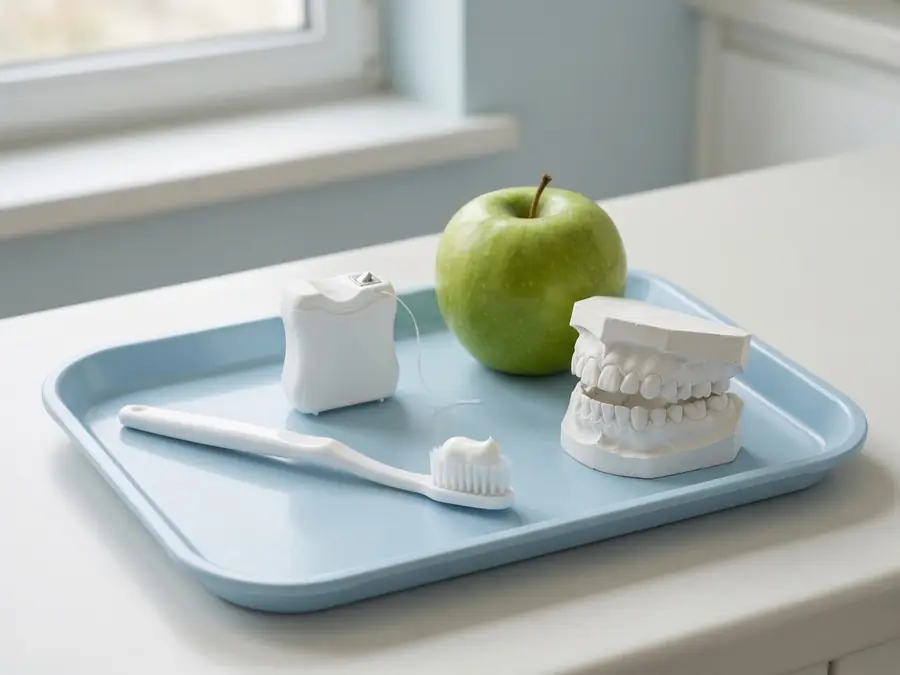
- Use floss or interdental brushes once a day. See how to floss.
For the right technique see how to brush properly.
How long until the bleeding stops?
When gingivitis is caused only by plaque, bleeding eases noticeably within a week or two for most people with regular, gentle cleaning. Tartar does not come off with a brush and the bleeding will continue; in that case a professional clean is needed. See scaling and polishing.
What to avoid
- Stopping brushing or flossing the area because it bleeds.
- Brushing hard with a stiff brush.
- Stopping a blood thinner or any other medicine without asking your doctor.
- Relying on mouthwash alone; it does not replace brushing and interdental cleaning. See should you use mouthwash every day.
When do you need a check-up?
- Bleeding has not eased after two weeks of regular, gentle care.
- You notice clear swelling, receding gums or loose teeth.
- Bad breath or a bad taste has become constant.
- Bleeding happens on its own, not only when brushing, or you also bruise easily elsewhere on the body.
In the last case your dentist may also refer you to a doctor. At the examination gum pockets are measured, X-rays are taken if needed and treatment is planned; the plan varies from patient to patient. For more see bleeding and receding gums and how to treat gum inflammation.
Dent32 is at Barış Mah., Ginza Lavinya, E-5 Yanyolu No:30 D:179, 34520 Beylikdüzü, Istanbul and is open Monday to Saturday, 9:00–22:00. To book, call or WhatsApp +90 555 011 33 68, or use our contact page. At the examination we share the findings, the options and the approximate cost in writing; you are under no obligation to start treatment afterwards.
Frequently asked questions
Is a little bleeding when brushing normal?
It is common but not normal for healthy gums. It mostly points to plaque-related gum inflammation and may ease with regular care.
Should I stop brushing if my gums bleed?
No. Brushing gently with a soft brush reduces plaque and may help the bleeding settle.
Why do my gums bleed when I floss?
Light bleeding is common in the first days of flossing. It usually eases as the gums heal with regular use.
Which toothpaste should I use for bleeding gums?
A fluoride toothpaste is enough for basic care. The real remedy is regular brushing, interdental cleaning and, if needed, a professional clean, not a particular toothpaste.