What happens if you don’t replace an extracted tooth? Teeth shifting and chewing
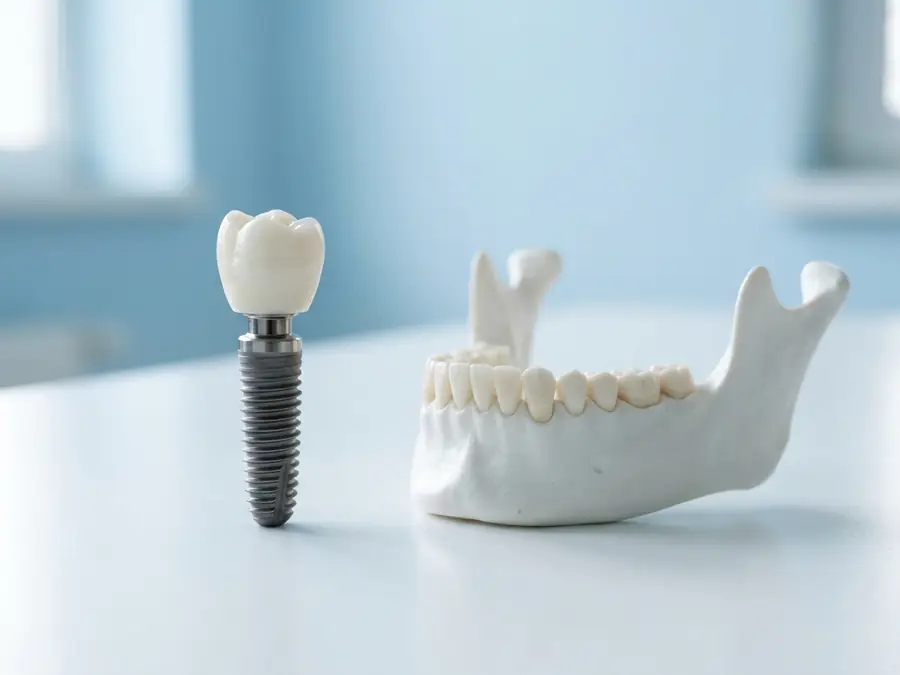
The gap left by an extracted tooth often causes no problems in the first months; changes are slow and quiet. Over time the teeth on either side can tilt into the gap, the tooth in the opposite jaw can drift towards it, and the jawbone where the tooth was becomes thinner. These changes can make a later implant or bridge harder. Not every gap needs to be filled, but the decision should be made by looking at the whole mouth, ideally before the tooth is taken out.
Do neighbouring and opposing teeth shift?
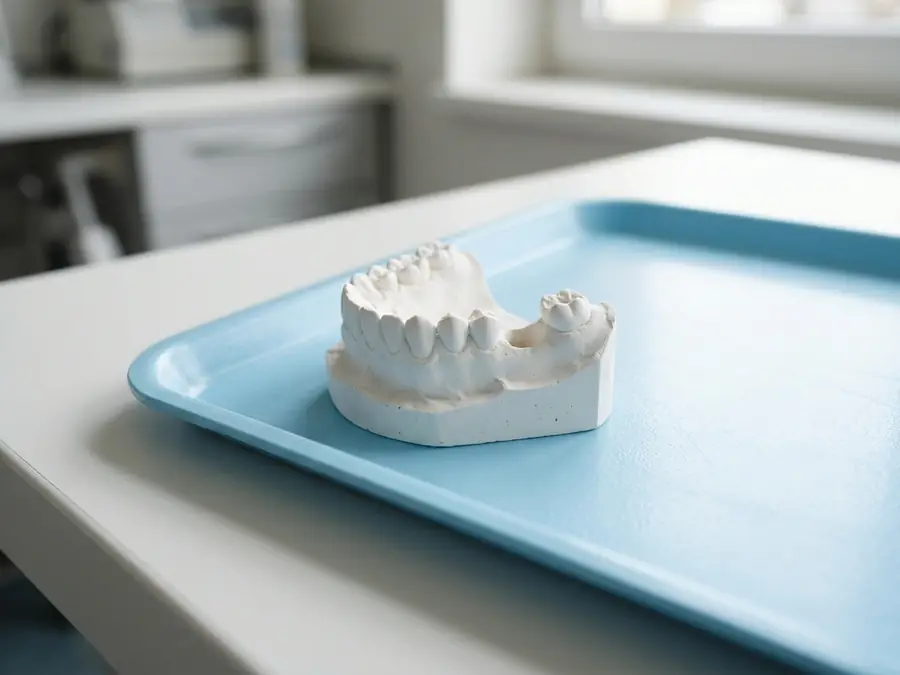
Teeth stay in place partly through contact with their neighbours and with the teeth in the opposite jaw. When a tooth is removed, the tooth behind can tilt forwards and the tooth in front can drift into the gap. The tooth in the opposite jaw, with nothing to meet, can gradually over-erupt towards the gap. These movements happen over months and years, usually without being noticed.
New gaps open up between tilted teeth; food gets caught there and cleaning becomes harder. This can set the stage for decay and gum problems. See food getting stuck between teeth.
Does the jawbone get thinner?
After a tooth is removed, the bone that held its root is no longer stimulated and gradually becomes thinner and lower. This change is fastest in the first months after extraction. Thin bone can make placing an implant harder and may call for extra procedures such as bone grafting. See bone grafts and sinus lifts. So if you’re considering an implant, it helps to discuss timing before the extraction; details in when can you get an implant after an extraction.
What can change over time?
| Change | When it shows | Consequence |
|---|---|---|
| Bone thinning | From the first months | Extra procedures may be needed for an implant |
| Neighbouring teeth tilting | Over months and years | Food trapping, harder cleaning |
| Opposing tooth over-erupting | Over years | Less room for a bridge or implant |
| Chewing on one side | Straight away | Extra load on the other side |
| Gap at the front | Straight away | Appearance and speech affected |
If several back teeth are missing
When several back teeth are missing, the biting load shifts onto the front teeth. Over time the front teeth can fan forwards, gaps can open between them and the remaining teeth can wear faster. Chewing becomes less efficient, and some people start to avoid hard foods. A step-by-step plan for the whole mouth is described in full mouth rehabilitation.
Does every gap need to be filled?
No. Gaps left by wisdom teeth aren’t filled. In some people, a missing last molar may cause no problems for years if the bite is balanced and the opposing tooth is stable. Gaps from teeth taken out as part of orthodontic treatment are closed by the treatment. Whether a gap should be filled is decided together, based on your bite, the opposing tooth, appearance and what you want.
Options for the gap
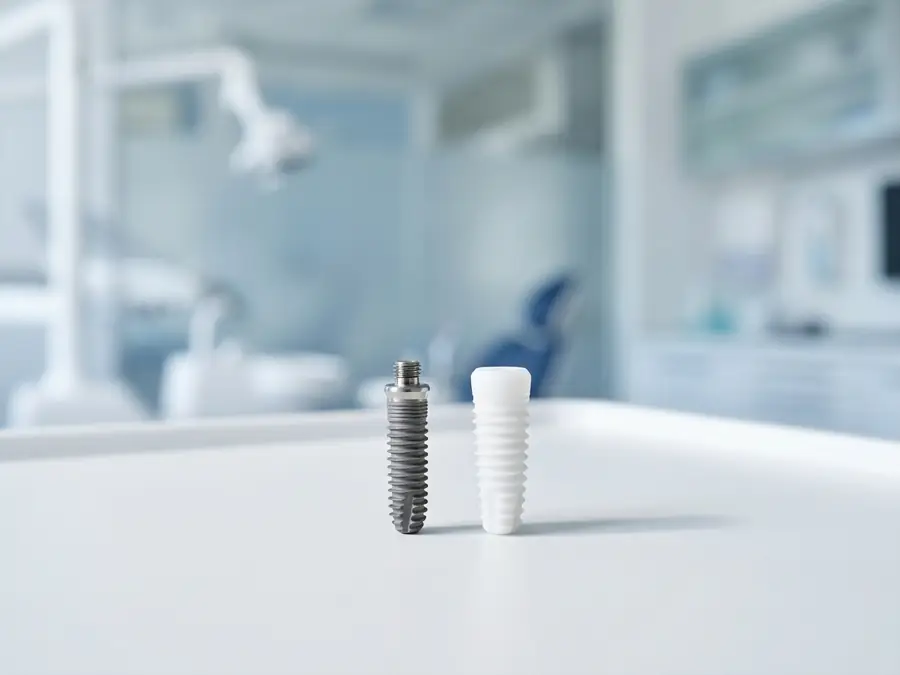
- Implant: Replaces the missing tooth without touching the neighbouring teeth and keeps stimulating the bone. See how long implant treatment takes.
- Bridge: Made by crowning the teeth on either side; a sensible option if those teeth already have large fillings or crowns. See implant or bridge and how long a dental bridge lasts.
- Adhesive bridge: Used especially for front teeth, with wings bonded to the back of the neighbouring teeth and little drilling. See a single missing tooth.
- Partial denture: A removable solution when several teeth are missing and fixed options aren’t suitable.
- Space maintainer for children: Used if a baby molar is lost early, so the space for the adult tooth doesn’t close. See when baby teeth fall out.
Planning for missing teeth at Dent32 in Beylikdüzü
If a tooth needs to come out, we discuss the options for the gap, the timings and the approximate cost before the extraction and set them out in a written treatment plan. For teeth that have been missing for a long time, we assess the neighbouring and opposing teeth and decide on the right option with you.
Dent32 is at Barış Mah., Ginza Lavinya, E-5 Yanyolu No:30 D:179, 34520 Beylikdüzü, Istanbul and is open seven days a week. To book, call or WhatsApp +90 555 011 33 68, or use our contact page. At the examination we share the findings, the options and the approximate cost in writing; you are under no obligation to start treatment afterwards.
Frequently asked questions
What happens if I don’t replace an extracted tooth?
Over time the neighbouring teeth can tilt into the gap, the opposing tooth can over-erupt and the bone thins. These changes are slow but can make a later implant or bridge harder.
How long does it take for teeth to shift after an extraction?
It varies from person to person. Changes usually happen over months and years without being noticed; bone thinning is fastest in the first months.
Does a missing last molar need replacing?
Not always. If the bite is balanced and the opposing tooth is stable, the gap may cause no problems for years. The decision is made at the examination, looking at the whole mouth.
Can an implant be placed where a tooth has been missing for years?
Often, yes. If the bone has thinned, extra procedures such as bone grafting may be needed; this is assessed with a CBCT scan.
Can shifted teeth be corrected?
In some cases, tilted or over-erupted teeth can be corrected with orthodontic treatment to reopen the space, followed by an implant or bridge.