Can your body reject a dental implant? Implant failure, titanium allergy and re-implantation
Many people considering implants ask the same thing: “Will my body reject it?” Dental implants don't undergo immune rejection the way transplanted organs can. Titanium is biocompatible and allergy to it is very rare. The great majority of implants fuse with bone without problems; in a small number of cases an implant doesn't fuse or is lost over the years because of infection, bone quality, smoking, uncontrolled diabetes or overloading. These risks can usually be assessed in advance, and a failed implant can be replaced.
Not “rejection” but failure to fuse
After an implant is placed, the surrounding bone bonds to its surface over a few months; this is called osseointegration. If it doesn't happen, the implant stays loose and has to be removed. People often call this “rejection”, but it isn't an immune reaction; it's a problem in the healing process.
Early failure: the first months
This is when the implant fails to fuse before loading or in the first months. Main causes:
- Infection at the site
- Too little bone, or bone that is very soft
- The implant not being stable enough when placed
- Loading the implant too early or too heavily while it heals
- Smoking. See smoking after implants.
- Uncontrolled diabetes and some medicines that affect healing. See who can have implants, osteoporosis medicines.
Late failure: years later
An implant that has fused and been in use can still be lost over the years. The most common cause is peri-implantitis: inflammation and loss of the gum and bone around the implant, similar to gum disease. Poor cleaning, missed check-ups, a history of gum disease and smoking raise the risk. Overloading from clenching or ill-fitting prostheses can also cause bone loss. Details: how long implants last, aftercare for implants.
Signs: when to see a dentist
- The implant or the tooth on it moving
- Pain that doesn't settle after the first weeks, or comes back
- Bleeding, swelling or pus around the implant
- Receding gum with the implant threads showing
- Discomfort when biting
A loose screw in the crown doesn't necessarily mean the implant itself is loose, but it should still be checked. See problems with implant-supported prostheses.
Is titanium allergy real?
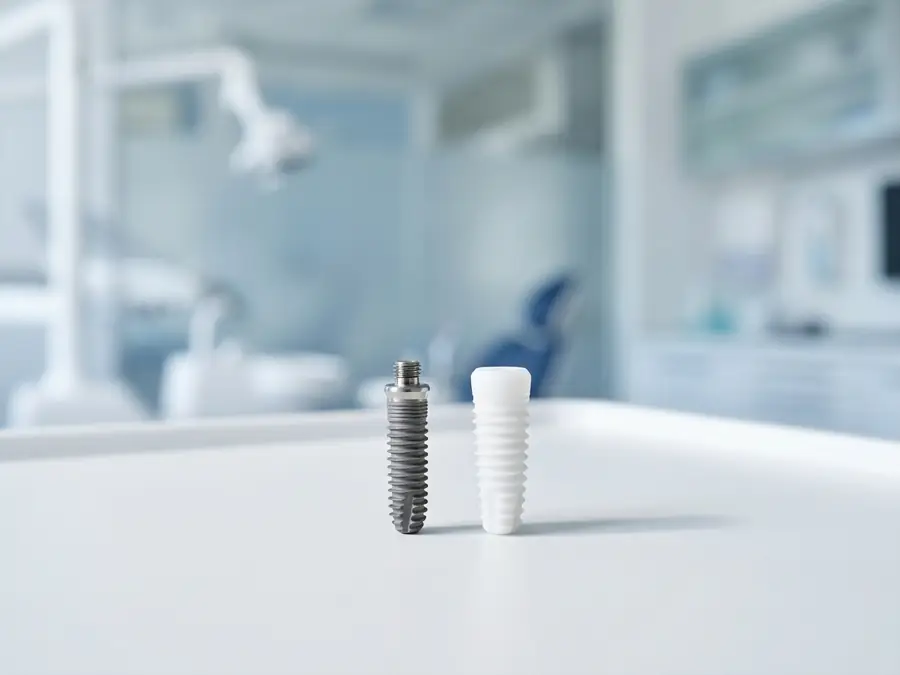
Hypersensitivity to titanium has been reported but is very rare. If you have a history of metal allergy (nickel, for example), discuss it with your dentist; if needed, allergy tests and metal-free zirconia implants can be considered. Almost all failures to fuse come from the causes above, not allergy.
Replacing a failed implant
An implant that hasn't fused is removed and the area cleaned. A few months are usually allowed for the bone to heal, with a bone graft at the same time or later if needed. A new implant can then be placed in the same area. Before the second attempt, the cause of the first failure (smoking, diabetes control, bone volume, load) must be addressed. See bone grafts and sinus lifts.
Implant planning in Beylikdüzü
At Dent32, before an implant we review your general health, your medicines and the bone volume on a CT scan, and explain the risks and alternatives in writing. You're also welcome to come in about problems with implants placed elsewhere. For the process, see dental implants in Beylikdüzü.
Dent32 Ağız ve Diş Sağlığı Polikliniği (Dent32 Dental Polyclinic) is at Barış Mah., Ginza Lavinya, E-5 Yanyolu No:30 D:179, 34520 Beylikdüzü, Istanbul and is open seven days a week. To book, call or WhatsApp +90 555 011 33 68, or use our contact page. At the examination we share the findings, the options and the approximate cost in writing; you are under no obligation to start treatment afterwards.
For clinic details, our dentists and the full list of treatments, visit Dent32, our dental practice in Beylikdüzü.
Frequently asked questions
What are the signs of implant rejection?
Movement, pain that doesn't settle, bleeding, swelling or pus around the implant, and receding gum. If you notice these, see a dentist without delay.
Can an implant be redone if it fails?
In most cases, yes. The failed implant is removed and, once the area has healed, a new one can be placed, with a bone graft if needed.
Could I be allergic to titanium?
It's very rare. Tell your dentist if you have a history of metal allergy; allergy testing and zirconia implants can be considered if needed.