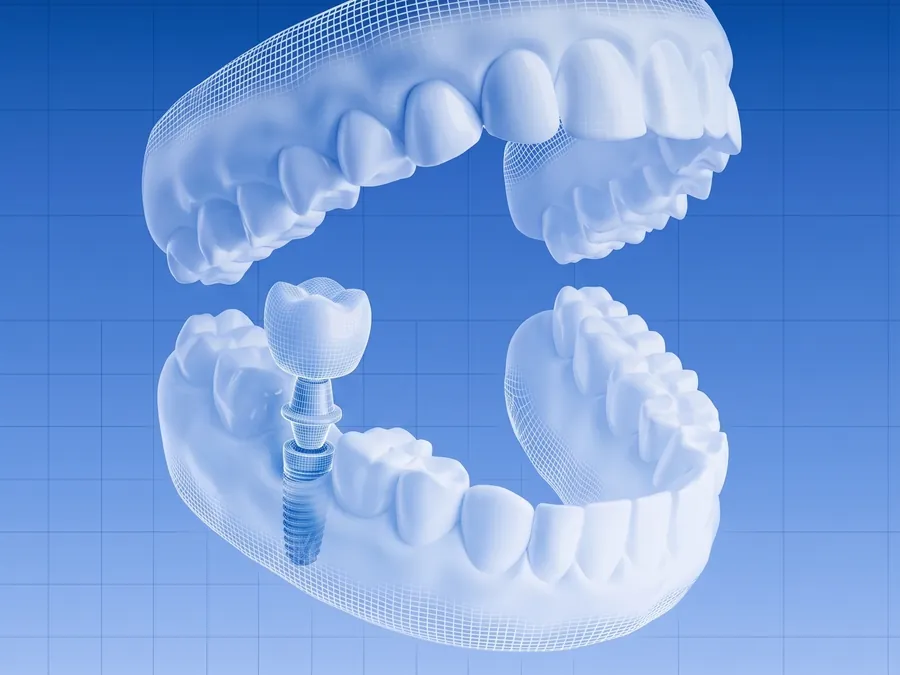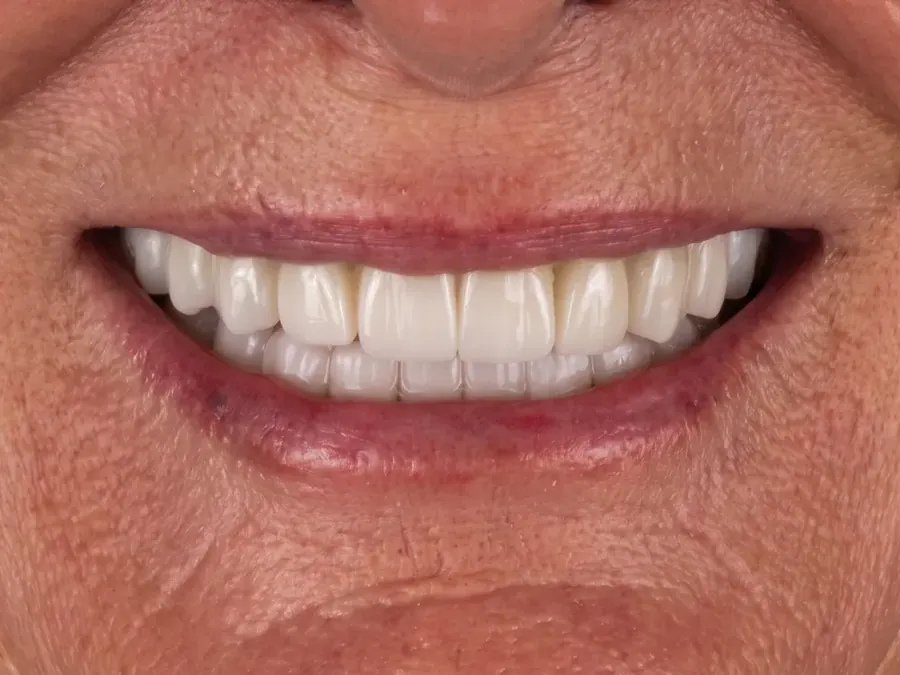

After dental implant surgery: eating, drinking, smoking and care
In the first 24 hours after implant surgery, cold compresses, soft lukewarm food, leaving the area alone and not smoking all help healing. Over the long term, regular cleaning and check-ups are what most determine how long an implant lasts.
The first 24 hours
- Gauze: Bite on the gauze provided for 30–45 minutes.
- Cold compress: Apply ice to the outside of the cheek for 15–20 minutes at a time.
- Eating: Don't eat until the numbness wears off; then choose soft, lukewarm food.
- Rinsing: Avoid vigorous rinsing and spitting on the first day so the clot isn't disturbed.
- Straws: Don't use them; the suction can increase bleeding.
- Medication: Take the prescribed painkillers and, if given, antibiotics as directed.
What can I eat, and when?
| Period | Recommended | Avoid |
|---|---|---|
| First 2–3 days | Yoghurt, lukewarm soup, mash, puddings, soft omelette | Hot drinks, hard or spicy food, alcohol |
| First 1–2 weeks | Pasta, rice, cooked vegetables, fish, meatballs | Nuts, crusty bread, seeds |
| While the implant heals | Normal diet, chewing on the other side | Putting heavy load directly on the implant |
Are swelling, bruising and pain normal?
Yes. Swelling usually peaks on day 2 or 3 and then subsides. Mild bruising on the cheek can appear, especially after several implants or a bone graft, and fades within a week. Pain is usually controlled with simple painkillers.
Can I smoke after an implant?
Smoking reduces blood flow in the gum and bone, slows healing and significantly increases the risk of the implant failing to fuse. Avoid smoking completely for at least the first 48–72 hours, and ideally throughout the healing period. We cover how smoking and diabetes affect implants in who can get dental implants.
Brushing and oral hygiene
On the day of surgery you can gently brush the teeth away from the surgical site. From the next day, clean the surgical area carefully with a soft brush. If advised, use lukewarm salt water or an antiseptic mouthwash.
Stitches are usually removed after 7–10 days or dissolve on their own.
Long term: how to look after an implant
- Brush twice a day and use an interdental brush or floss around the implant
- A check-up and professional clean every six months
- A night guard if you grind or clench
- Prompt check-up if you notice bleeding gums
Implants can't decay, but the gum and bone around them can become inflamed (peri-implantitis). Caught early, it's much easier to treat. See our articles on bleeding gums and night guards.
Frequently asked questions
When can I exercise after an implant?
Avoid strenuous exercise for the first 3–5 days, as raised blood pressure can increase bleeding. Light walking is fine from the next day.
Can I drink coffee after an implant?
Avoid hot drinks on the first day. From the following days, lukewarm coffee is fine.
Are antibiotics always needed after an implant?
Not for every patient. Whether antibiotics are needed depends on the extent of surgery and your health, and is decided by the dentist.
How do I know if the implant has taken?
During healing an implant usually gives no symptoms. It's checked clinically and with X-rays at follow-ups, and its stability is confirmed before the final tooth is fitted.