Who is All-on-6 or All-on-8 for? How they differ from All-on-Four and how to choose
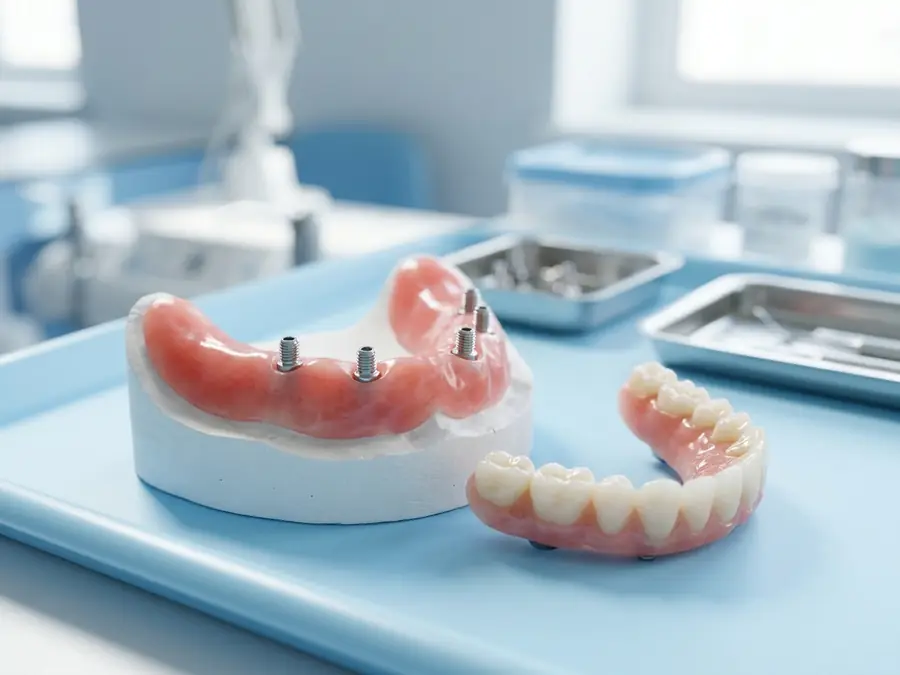
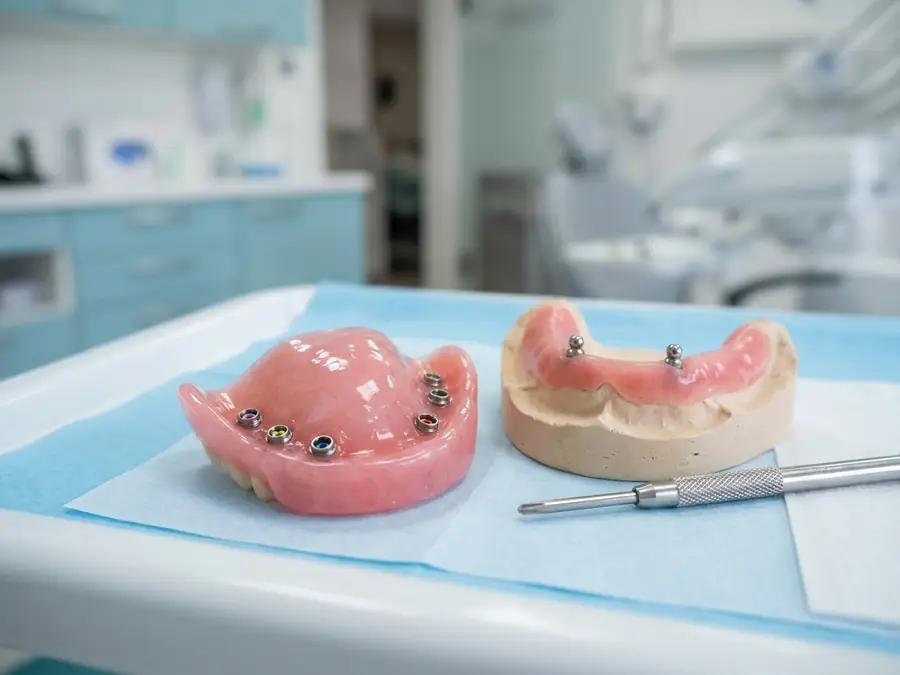
All-on-6 and All-on-8 place 6 or 8 implants in a toothless jaw and fix a bridge on top. They are chosen for patients with enough bone, a strong bite, or who want the bridge made in sections. Compared with All-on-Four, the load is spread over more implants, and if one implant has a problem the bridge can usually still be used. This article explains which option suits whom.
All-on-Four, All-on-6 and All-on-8 compared
| All-on-Four | All-on-6 | All-on-8 | |
|---|---|---|---|
| Implants per jaw | 4 | 6 | 8 |
| Bone needed | Less; back implants angled | Moderate | More, across a wider area of the jaw |
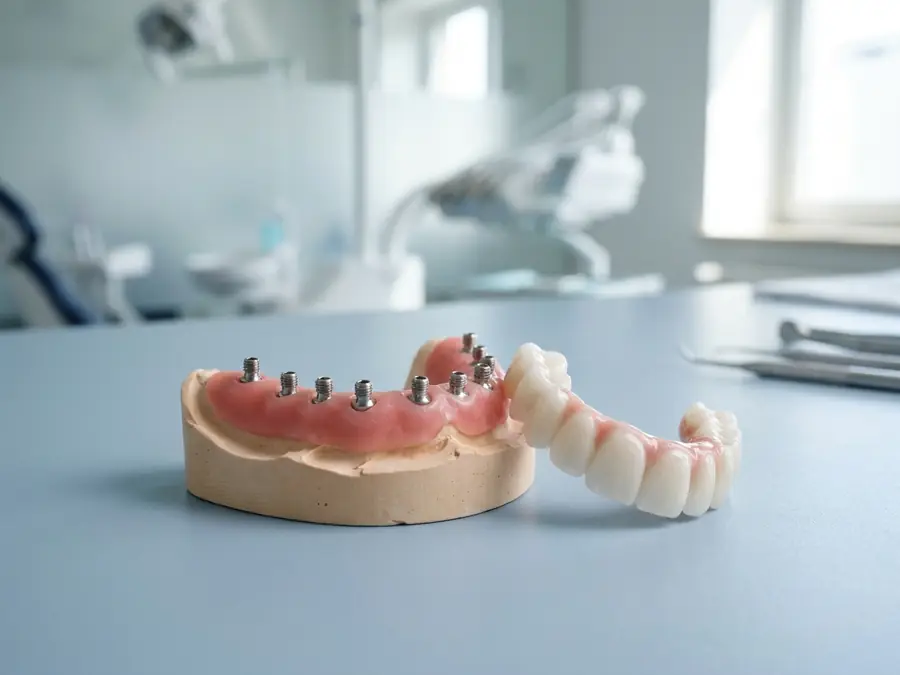
| Bridge | One piece | One piece or sectioned | Often possible in 2–3 sections |
| If one implant is lost | The bridge may need replanning | Usually still usable | Usually still usable |
| Likelihood of extra surgery | Lower | Depends on bone | Bone grafting / sinus lift more common |
Who are All-on-6 and All-on-8 for?
- People with enough bone in both the front and back of the jaw
- People who clench or grind (bruxism) or have a strong bite
- Patients whose upper jaw bone is softer and needs more support
- People who want the bridge in sections, making cleaning and future repairs easier
- People who want a wider chewing area at the back
On clenching: teeth grinding and night guards.
When does All-on-Four make more sense?
If there is very little bone at the back, All-on-6 or All-on-8 may need bone grafting and a sinus lift. With All-on-Four, the back implants are angled, which often avoids this extra surgery and shortens treatment. Which option is suitable is decided by measuring the bone on a CT scan. More: All-on-Four, bone grafting and sinus lift.
The treatment process
- Planning with an examination, CT scan and intraoral scan
- Any extractions and placement of the implants
- Temporary fixed teeth shortly afterwards in suitable cases
- A healing period of 3–6 months
- Impression, try-in and fitting of the final bridge
- Regular check-ups and professional cleaning
We explain how many implants a full mouth needs in full-mouth implants.
Maintenance and check-ups
The underside of a fixed bridge should be cleaned with interdental brushes and a water flosser. Sectioned bridges are easier to clean. A check-up and professional clean every six months help catch inflammation around implants early. For people who grind, a night guard may be advised to protect the bridge. See how long implants last.
Booking
Dent32 is at Barış Mah., Ginza Lavinya, E-5 Yanyolu No:30 D:179, 34520 Beylikdüzü, Istanbul and is open seven days a week. To book, call or WhatsApp +90 555 011 33 68, or use our contact page. At the examination we share the findings, the options and the approximate cost in writing; you are under no obligation to start treatment afterwards.
Frequently asked questions
Is All-on-8 better than All-on-Four?
They suit different situations. With enough bone, All-on-6 or All-on-8 spreads the load over more implants; with little bone, All-on-Four reduces extra surgery. The decision is made by measuring the bone on a CT scan.
Who is All-on-6 not suitable for?
Patients with very little bone who don't want grafting or a sinus lift, people with conditions that impair healing such as uncontrolled diabetes, and those on certain bone medicines need extra assessment; other options are discussed with them.
Is the All-on-8 bridge made in sections?
Eight implants often allow the bridge to be made in 2–3 parts, which makes cleaning and any future repair of one section easier.