
Bone grafts and sinus lifts: can I have implants with too little bone?
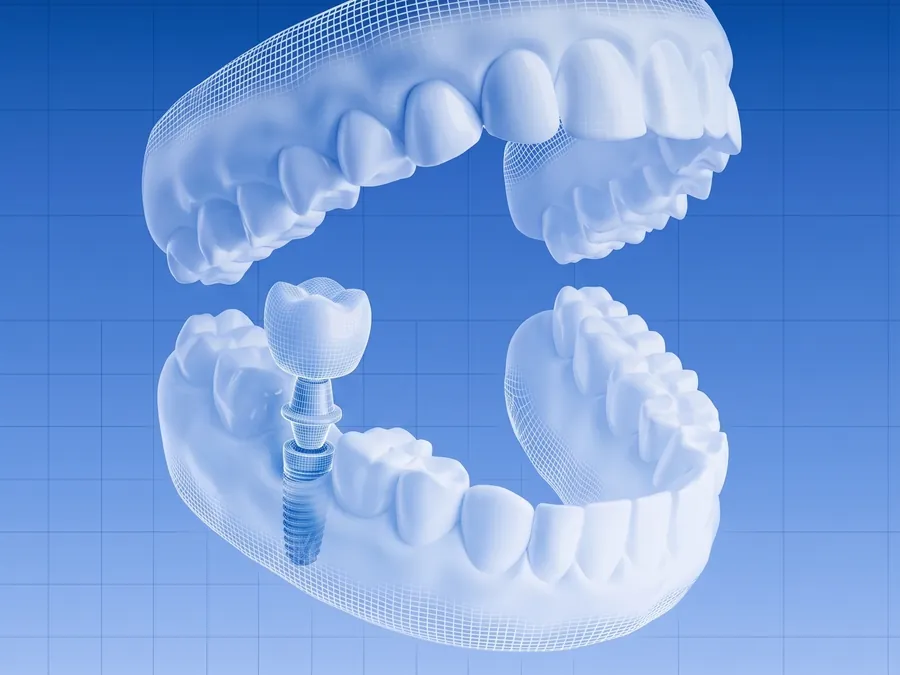
If the jawbone isn't wide or tall enough to hold an implant, a bone graft is used to build it up; in the upper back jaw, the sinus floor can be raised (sinus lift) to make room. These procedures often make implants possible, but they lengthen treatment.
Why does bone shrink?
Once a tooth is lost, the bone that held it no longer receives chewing load and gradually becomes thinner and shorter. Most of this loss happens in the first months after extraction. Advanced gum disease, long-term use of removable dentures and trauma can also cause bone loss.
The upper back jaw has an extra issue: after teeth are lost, the sinus can expand downwards, reducing the bone height left for an implant.
What is a bone graft?
A bone graft is a material that acts as scaffolding for new bone. It can be the patient's own bone, processed human or animal bone, or a synthetic material. It's usually covered with a membrane and is gradually replaced by the patient's own bone over a few months.
| Use | When? |
|---|---|
| Filling the extraction socket (socket preservation) | At extraction, to limit bone loss if an implant is planned |
| Graft at the same time as the implant | For small bone defects |
| Graft first, implant later | When bone is very thin; the implant usually follows 4–6 months later |
What is a sinus lift?
In a sinus lift, the membrane lining the floor of the sinus in the upper back jaw is gently raised and bone graft material is placed beneath it, creating the bone height needed for an implant.
| Technique | When it's used | Features |
|---|---|---|
| Closed (internal) sinus lift | When moderate bone height remains | Done through the implant site, usually with the implant at the same visit |
| Open (lateral) sinus lift | When very little bone remains | A small window is made from the side; the implant is placed at the same visit or months later |
Do these procedures hurt?
Both are done under local anaesthetic. Swelling and mild bruising afterwards can be a little more noticeable than after a simple implant and usually settle within a week. For two weeks after a sinus lift, avoid blowing your nose, sneeze with your mouth open, and check with your dentist before flying.
How much longer does treatment take?
Small grafts placed with the implant usually add little time. A separate graft or open sinus lift can add 3–6 months overall. For the general timeline, see how long implant treatment takes; for the effect on cost, see what affects implant cost.
Are there options without grafting?
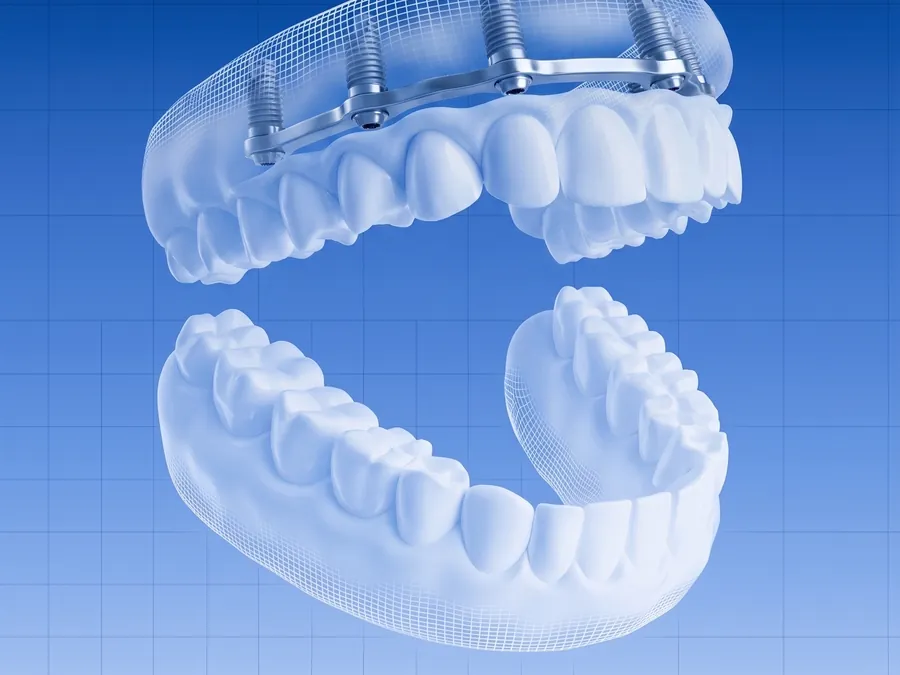
In some cases short implants, angled implants or techniques such as All-on-Four avoid the need for extra bone surgery. Which route suits you is decided from the CT scan. For full-arch solutions, see our All-on-Four guide.
Frequently asked questions
Can the body reject a bone graft?
Graft materials are biocompatible and aren't rejected in the classic sense. Rarely, infection or incomplete bone formation can occur; the procedure can then be repeated.
Can a sinus lift cause sinusitis?
When properly planned, a sinus lift doesn't cause sinusitis. Chronic sinusitis is assessed beforehand, with an ENT opinion if needed.
Should a graft be placed when a tooth is extracted?
If an implant is planned for that site, grafting the socket can reduce bone loss. The decision depends on the tooth's position and the bone.
How long after a graft is the implant placed?
For separate grafts, usually 4–6 months. Small grafts can be done at the same visit as the implant.