
Jaw joint pain and a clicking jaw: causes, jaw locking and treatment
Jaw joint (temporomandibular joint, TMJ) disorders show up as pain just in front of the ear, clicking or grating when opening the mouth, tired jaw muscles when chewing and sometimes a locked jaw. The most common causes are clenching and grinding, muscle tension and a displaced disc inside the joint. A click without pain or limited opening often needs no treatment. Most symptoms improve with a soft diet, changing habits and, if needed, a night guard.
Symptoms of jaw joint disorders
- pain just in front of the ear, at the temple or in the cheek, worse when chewing;
- clicking, popping or grating when opening and closing the mouth;
- not being able to open fully, or the jaw shifting to one side as it opens;
- a locked jaw: the mouth won't open, or stays open and won't close;
- a tired jaw in the morning and headaches at the temples;
- a feeling of fullness or ringing in the ear (when an ear examination is normal).
Pain in front of the ear can also be confused with toothache. See can toothache cause ear pain?
What causes jaw pain and clicking?
- Clenching and grinding: often at night and without realising; it tires the chewing muscles. See teeth clenching and night guards.
- Muscle tension and stress: pressing the teeth together during the day is a common cause.
- A displaced joint disc: the click is heard as the disc slips back into place when the mouth opens.
- Straining habits: chewing gum for long periods, biting nails or pens, lying with your chin propped on your hand.
- A blow or keeping the mouth open for long: an accident, sports injury or a long dental appointment can cause temporary strain.
- Joint inflammation and wear: seen with rheumatic conditions and in older age.
What to do if your jaw locks
There are two kinds of locking. If the mouth won't open (closed lock), don't force it; with a warm compress, soft food and a painkiller the muscles relax and opening usually improves, but still see a dentist. If the mouth stays open and won't close (dislocation), don't try to force it shut; see a dentist or go to A&E the same day.
What you can do at home
- Eat soft food for a few days; avoid hard, sticky food and large mouthfuls.
- Stop chewing gum; support your jaw gently with your hand when you yawn.
- Check during the day that your teeth aren't touching: lips together, teeth slightly apart, tongue on the roof of the mouth.
- Use a cold compress for new pain, or a warm one for tired muscles, for 10–15 minutes.
- A short course of painkillers can help; see which painkiller works for toothache?
- Try not to sleep on your front or with your jaw resting on your hand.
How are jaw joint disorders treated?
Most patients improve without surgery:
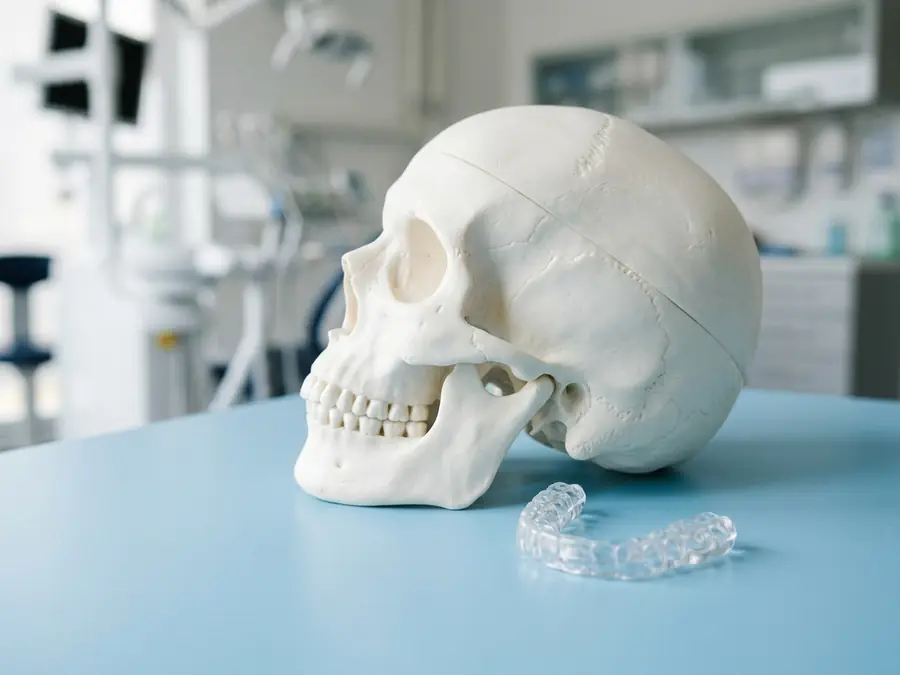
- A night guard (stabilisation splint): a hard guard made from an impression spreads the clenching force and relaxes the muscles.
- Physiotherapy and exercises: exercises that guide jaw movement, and muscle massage.
- Medication: short courses of anti-inflammatories or muscle relaxants, on medical advice.
- Bite and dental treatment: planned dental treatment if missing teeth or a faulty bite contribute.
- Advanced cases: assessment by a jaw surgeon for persistent locking or joint damage.
We describe how we treat clenching and jaw joint problems in Beylikdüzü in teeth clenching and jaw joint.
Jaw joint examination in Beylikdüzü
At Dent32 we assess joint sounds, how wide you can open, the chewing muscles and tooth wear together, and request imaging if needed. If a night guard is needed, we make it from an impression and adjust it at follow-up visits.
Dent32 is at Barış Mah., Ginza Lavinya, E-5 Yanyolu No:30 D:179, 34520 Beylikdüzü, Istanbul and is open seven days a week. To book, call or WhatsApp +90 555 011 33 68, or use our contact page. At the examination we share the findings, the options and the approximate cost in writing; you are under no obligation to start treatment afterwards.
Frequently asked questions
Is a clicking jaw dangerous?
Without pain or limited opening, a clicking jaw is usually harmless and doesn't need treatment. If pain, locking or reduced opening come with it, an examination is advisable.
Does jaw joint pain go away on its own?
For many people it settles within a few weeks with soft food, stopping gum and noticing and reducing clenching. If the pain persists, options such as a night guard and physiotherapy are considered.
Can jaw joint problems cause ear pain?
Yes. The jaw joint sits just in front of the ear, so pain can be felt in the ear, along with fullness and ringing. If an ear examination is normal, the jaw joint should be assessed.
Will a locked jaw unlock?
Most cases where the mouth won't open improve as the muscles relax. If the mouth stays open and won't close, don't force it; see a dentist or go to A&E the same day.