Why do teeth turn yellow? Coffee, tea, smoking, age and medicines
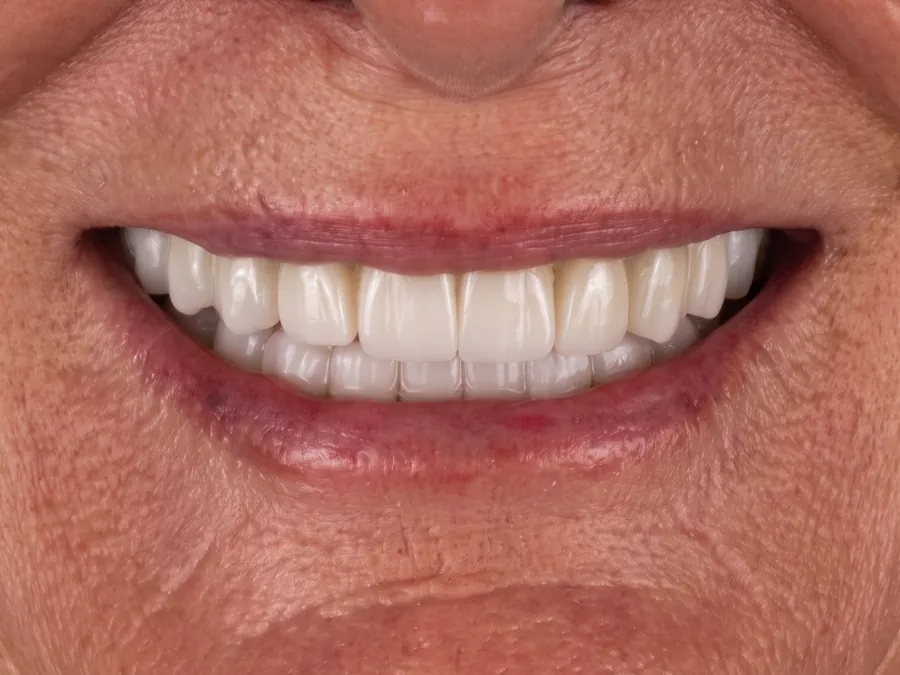
Tooth discolouration comes in two kinds: external stains left on the surface by things like coffee, tea and smoking, and internal discolouration from the structure of the tooth itself. External stains are often largely removed by a scale and polish; internal discolouration needs whitening and, in more severe cases, bonding or veneers. The right solution depends on the cause.

External stains: colour on the surface
- Coffee, tea, red wine, cola: Dark pigments cling to the thin film on the enamel surface.
- Cigarettes and shisha: Tar and nicotine leave stubborn yellow-brown stains.
- Tartar: Its rough surface picks up colour more easily, especially behind the lower front teeth.
- Some mouthwashes: Long-term use of chlorhexidine mouthwash can cause brown staining.
Most of these stains are removed by a scale and polish. If your teeth still aren't as light as you'd like afterwards, whitening can be considered.
Internal discolouration: colour from the tooth itself
- Age: Over the years, enamel thins and more of the yellower dentine beneath shows through.
- Genetics: Some people naturally have yellower or greyer teeth.
- Nerve death and root canal treatment: A tooth whose nerve dies after a knock or decay can turn grey over time; it's the most common reason for a single dark tooth.
- Medicines: Tetracycline-type antibiotics taken while teeth are forming (in pregnancy and childhood) can cause grey-brown bands.
- Too much fluoride (fluorosis): Excess fluoride in childhood can cause white or brown spots.
- Old fillings: Amalgam fillings can give a tooth a grey cast; composite fillings can discolour over time.
Which solution for which discolouration?
| Situation | Recommended approach |
|---|---|
| Coffee, tea or smoking stains | Scale and polish; whitening if needed |
| General yellowing from age or genetics | In-clinic or at-home tray whitening |
| A single dark root-treated tooth | Internal whitening; veneer or zirconia crown if needed |
| Tetracycline or fluorosis staining | Whitening often isn't enough; bonding or veneers |
| Discoloured old fillings | Replacing the fillings |
We explain whitening options in teeth whitening in Beylikdüzü, and no-drill corrections in dental bonding and laminate veneers. Remember that whitening doesn't change the colour of crowns or fillings.
Slowing down discolouration
- Rinse with water after dark drinks, and use a straw where you can.
- Don't brush straight after acidic drinks; wait 30 minutes while the enamel is softened.
- Brush twice a day with fluoride toothpaste; don't use whitening toothpastes all the time, as they can be abrasive.
- Stopping smoking protects both colour and gum health.
- Have a professional clean every 6–12 months.
Let us assess your shade
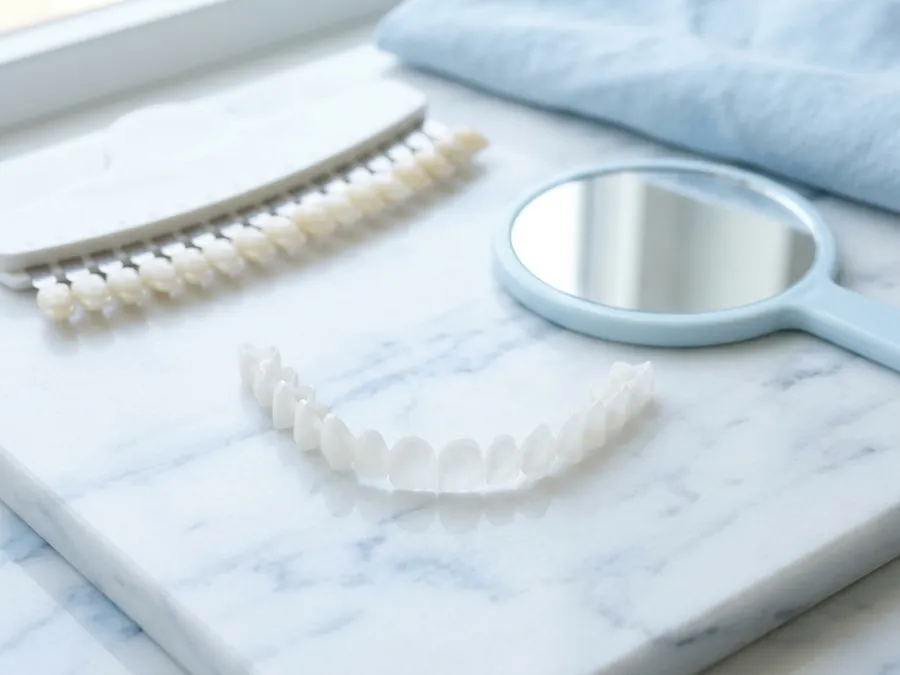
At the examination we record your tooth shade with a shade guide, check whether the stains are external or internal and look for any nerve problem. We then suggest the option that gives the best result with the least intervention. To book: +90 555 011 33 68 (WhatsApp and phone). Dent32 is a dental clinic on the E-5 service road in Beylikdüzü, open every day including weekends.
Frequently asked questions
Can yellow teeth go back to white?
External stains largely come off with cleaning and polishing. The tooth's own colour can be lightened by a few shades with whitening.
Do baking soda or lemon whiten teeth?
Not recommended. Baking soda can be abrasive, and acids like lemon erode enamel, making teeth look yellower in the long run.
Do whitening toothpastes work?
They can reduce surface stains but don't noticeably change the tooth's own colour. Constant long-term use can wear enamel.
Why has one of my teeth gone dark?
The most common reason is the nerve being affected after a knock or deep decay. It needs checking with an X-ray.
Will whitening last if I keep drinking coffee?
The effect fades sooner. Rinsing with water after coffee and regular cleaning help it last longer.