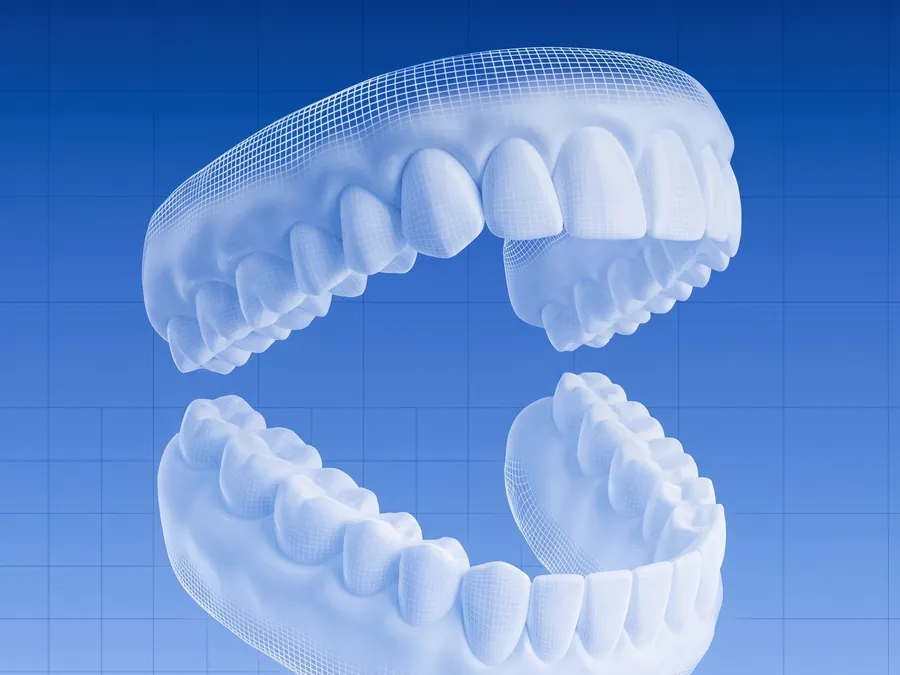
Gummy smile: causes and gum contouring options
A smile that shows more than about 3–4 millimetres of gum is called a gummy smile. It is usually caused by gum covering more of the tooth than it should, an upper lip that lifts too high, or excess vertical growth of the upper jaw, and treatment depends on the cause. Where gum covers too much of the tooth, gum contouring is a short procedure done under local anaesthetic.
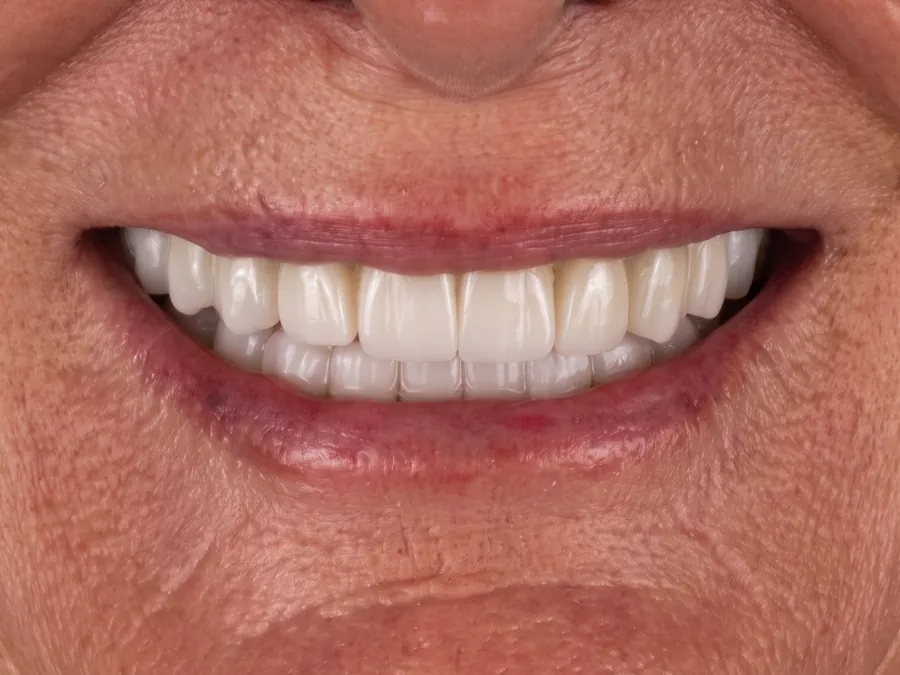
What is a gummy smile and when is it a problem?
Showing 1–2 millimetres of gum above the upper teeth in a broad smile is considered natural. Beyond 3–4 millimetres, the smile starts to look "gummy". Teeth that look short and square, or gum levels that differ between left and right, are other common concerns.
It is not a disease but an aesthetic preference. Treatment is planned when someone is unhappy with their smile.
Causes of a gummy smile and how each is treated
| Cause | Suitable treatment |
|---|---|
| Gum covering more of the tooth than it should | Gum contouring (gingivectomy) |
| Bone sitting too close to the crown as well as the gum | Crown lengthening (gum and bone reshaping) |
| Upper lip lifting too high when smiling | Botox by an authorised practitioner (temporary) or lip surgery |
| Over-erupted front teeth, deep bite | Orthodontic treatment |
| Excess vertical growth of the upper jaw | Orthodontics combined with jaw surgery |
| Gum overgrowth from inflammation or certain medicines | Gum treatment first; if medicine-related, a review with the prescribing doctor |
How is gum contouring done?
- At the examination, gum thickness and pocket depth are measured and the bone level is checked on an X-ray.
- The new gum line is planned to suit the whole smile, and can be previewed with photos and a mock-up if needed.
- The procedure is done under local anaesthetic and usually takes 30–60 minutes.
- If bone reshaping is needed (crown lengthening), it is planned as minor surgery and stitches may be used.
The technique is chosen by the dentist according to the gum and bone.
What is recovery like?
- The first few days are mildly tender; painkillers keep it comfortable.
- Soft, lukewarm food is best during this time, and the area is cleaned gently.
- Surface healing takes 1–2 weeks.
- The gum line takes a few weeks to reach its final shape; if crowns or veneers are planned, impressions are taken after this.
Planning with smile design and veneers
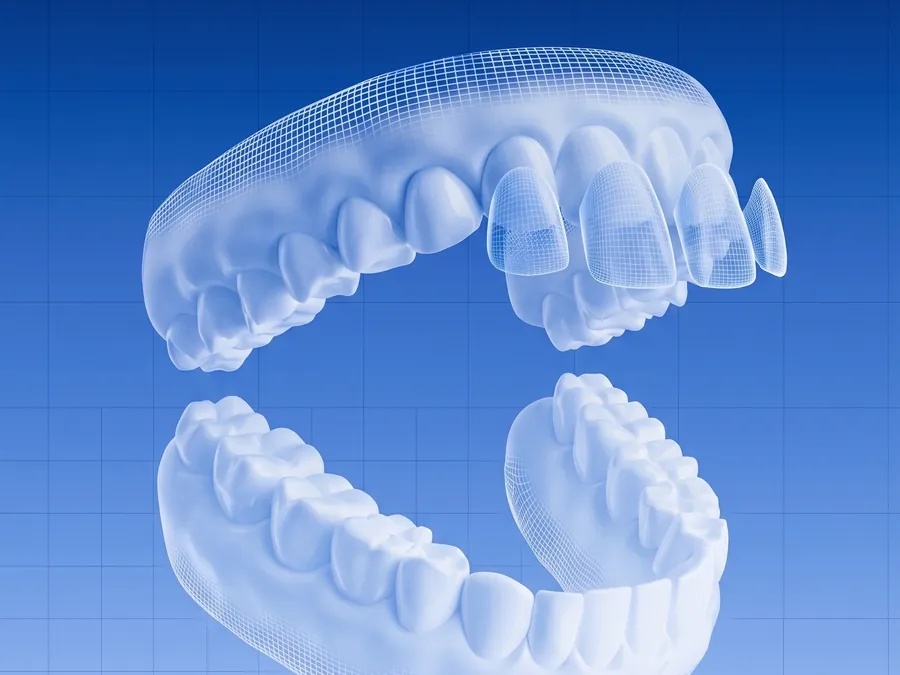
Gum levels frame the smile. If smile design or veneers are planned, adjusting the gums first gives a more harmonious and lasting result. Teeth that look short can sometimes be lengthened with gum contouring alone, without any crowns.
At Dent32 in Beylikdüzü we identify the cause of a gummy smile with an examination and photo analysis, then explain the options that suit you. To be assessed, book an examination.
Frequently asked questions
Is gum contouring permanent?
When the cause is excess gum, the result is usually permanent. If the bone is also too close to the crown and only gum is removed, the gum can partly grow back, which is why an accurate diagnosis matters.
Does gum contouring hurt?
It is done under local anaesthetic, so you do not feel pain. There may be mild tenderness for a few days afterwards.
Is Botox a permanent fix for a gummy smile?
No. Its effect usually lasts 3–6 months and needs repeating. It only works when the cause is an overactive upper lip.
Can gum overgrowth be a sign of disease?
Yes. Plaque-related inflammation and some blood pressure, epilepsy or immune-suppressing medicines can cause gum overgrowth. In that case the cause is treated first.