Does scaling damage your teeth? Enamel, gaps and loose teeth explained
Scaling carried out by a dentist with the right technique and instruments does not damage tooth enamel; ultrasonic instruments break up hardened tartar with vibration rather than wearing the enamel down. Temporary sensitivity, bleeding or a feeling of gaps between the teeth afterwards mostly come from the gum and root surface that the tartar was covering. How long these last and how often you need a clean vary from person to person.
How is scaling done?
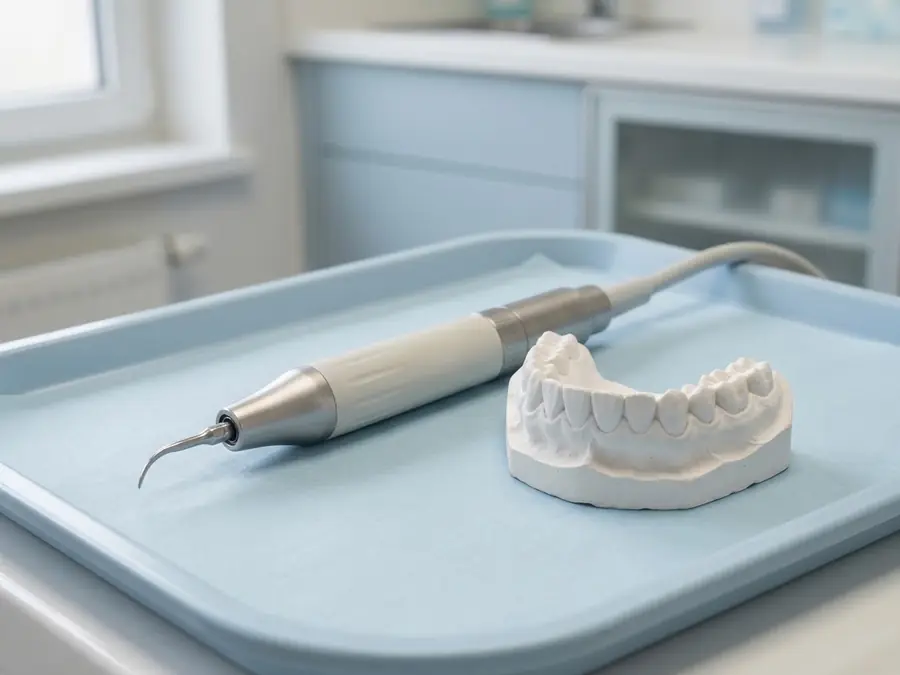
Tartar forms when plaque hardens with minerals in saliva, and a toothbrush cannot remove it. The dentist uses an ultrasonic instrument that breaks up tartar with vibration and water; hand instruments may be used for stubborn deposits or those below the gum line. Finally the surfaces are polished to remove roughness so that plaque finds it harder to stick.
The procedure usually takes 20–45 minutes. If the gums are sensitive or tartar has gone below the gum line, local anaesthetic may be used. For more see scaling and polishing.
Does scaling wear away enamel?
Ultrasonic instruments break tartar with vibration; they are not designed to scrape or thin the enamel. Used at the right angle and power they do not harm it. The paste used in polishing is there to smooth the surface.
Trying to scrape tartar off at home with a metal tool, brushing hard with a stiff brush or using abrasive powders, on the other hand, can damage enamel and gums. See tooth erosion and enamel wear.
Do gaps open up between the teeth after a clean?
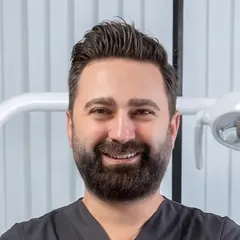 Dr. Hüseyin AşcıFounding dentist, Dent32 Beylikdüzü
When patients tell me their teeth have spread apart after a clean, the gap is usually not new; the space that tartar used to fill has simply become visible. As the gum inflammation settles, we often see that appearance change a little too.
Graduate of Istanbul University Faculty of Dentistry; works mainly on implants, All-on-4 and All-on-6, zirconia crowns and veneers. About Dr. Hüseyin Aşcı
Tartar often fills the spaces between teeth and along the gum margin. When it is removed, a gap or gum recession that was already there becomes visible, so some people feel as though their teeth have spread apart. Scaling does not create a new gap.
As gum inflammation settles the gum tightens a little, which can also change the appearance. For more on recession, see can receding gums grow back.
Can scaling make teeth loose?
Scaling does not loosen teeth. In advanced gum disease, however, teeth that have lost bone support can appear to be held together by tartar. Once it is removed, existing looseness becomes noticeable. In that case the cause is bone loss, not the clean, and gum treatment may be needed. See loose teeth in adults.
Is sensitivity and bleeding normal afterwards?
For a few days after a clean, teeth may be sensitive to cold and the gums may bleed slightly when brushing. Because the root surface under the tartar has been exposed and the inflamed gum is starting to heal, these symptoms ease within a few days to two weeks for most people.
- Use a soft brush and a desensitising toothpaste.
- Limiting very hot, very cold and acidic foods on the first day may help.
- Do not stop brushing or flossing because of bleeding; regular cleaning helps the gums heal.
- Tell your dentist if sensitivity lasts longer than two weeks.
How often should you have a clean?
For most people a check-up and clean every 6 or 12 months may be enough. A shorter interval may be advised for people who build up tartar quickly, smokers, people with a history of gum disease, and those with braces or implants. We explain why tartar forms in what causes tartar.
The right interval varies from patient to patient; your dentist decides it based on the condition of your gums.
Dent32 is at Barış Mah., Ginza Lavinya, E-5 Yanyolu No:30 D:179, 34520 Beylikdüzü, Istanbul and is open Monday to Saturday, 9:00–22:00. To book, call or WhatsApp +90 555 011 33 68, or use our contact page. At the examination we share the findings, the options and the approximate cost in writing; you are under no obligation to start treatment afterwards.
Frequently asked questions
Does scaling damage tooth enamel?
Scaling done by a dentist with ultrasonic instruments and the right technique does not wear away enamel. The instrument breaks tartar with vibration rather than scraping the enamel.
Why do my teeth look gappy after scaling?
Tartar hides existing gaps and gum recession. When it is removed these areas become visible; scaling does not create new gaps.
Does scaling hurt?
Most people feel mild vibration and occasional sensitivity. If the gums are very sensitive or tartar is below the gum line, local anaesthetic can be used.
How many times a year should I have scaling?
Once or twice a year may be enough for most people. With gum disease, smoking, braces or implants, your dentist may suggest a shorter interval.