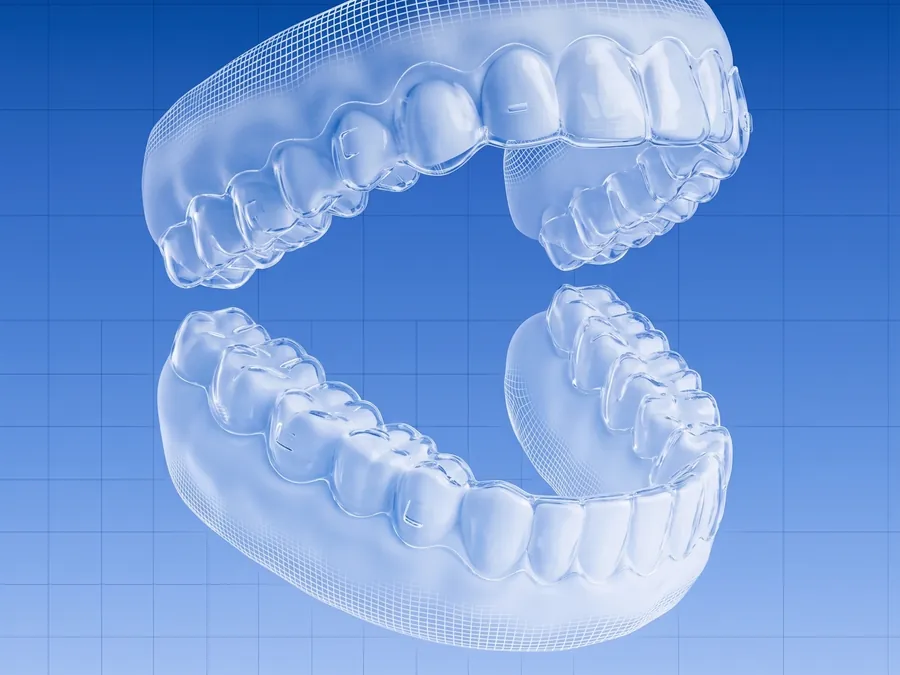
Orthodontics for adults: is there an age limit for braces or clear aligners?
There is no upper age limit for orthodontic treatment; as long as the bone and gums supporting the teeth are healthy, teeth can be moved safely in your 30s, 40s and 50s. Adult treatment usually takes 12–24 months, clear aligners are a popular choice, and any gum disease must be brought under control first.
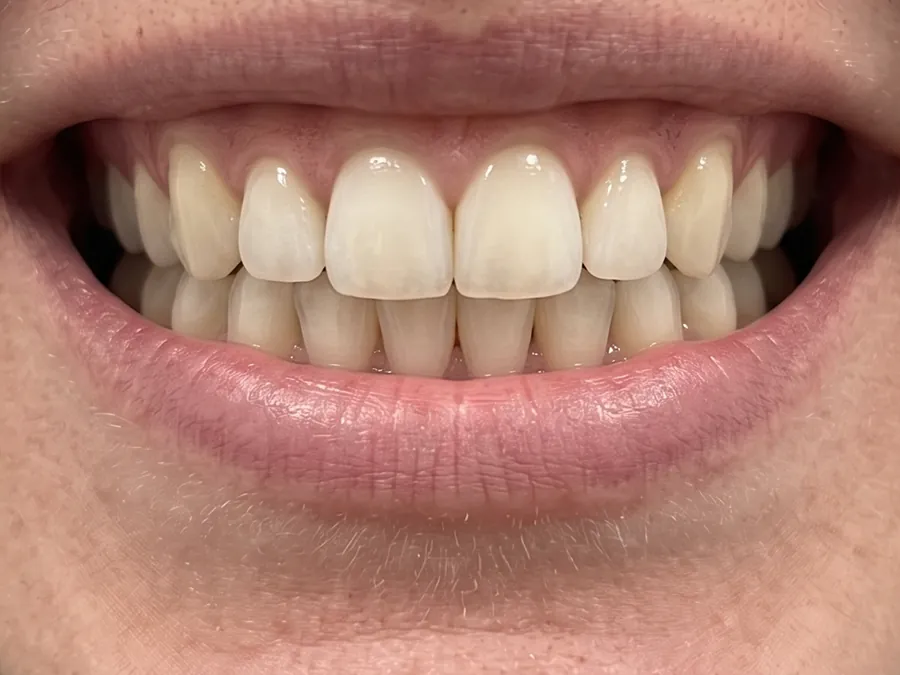
Can teeth still be moved in adulthood?
Yes. The bone around the teeth renews itself throughout life, and orthodontics uses this natural renewal to move teeth slowly. Movement may be a little slower in adults, but results are as good as in children.
The main difference is that jaw growth has finished. Skeletal problems that can be guided in childhood may, in severe adult cases, need jaw surgery alongside orthodontics.
Why do adults have orthodontic treatment?
- Crowded teeth are harder to clean, raising the risk of decay and gum disease.
- A poor bite can cause heavy wear and fractures on some teeth.
- Teeth straightened in childhood can crowd again over the years if retainers were not worn.
- A gap may need to be opened or closed before an implant or bridge.
- Aligning teeth before veneers means less tooth needs to be removed.
- Simply not liking how your smile looks is a valid reason too.
What orthodontic options are there for adults?
| Option | Advantage | Keep in mind |
|---|---|---|
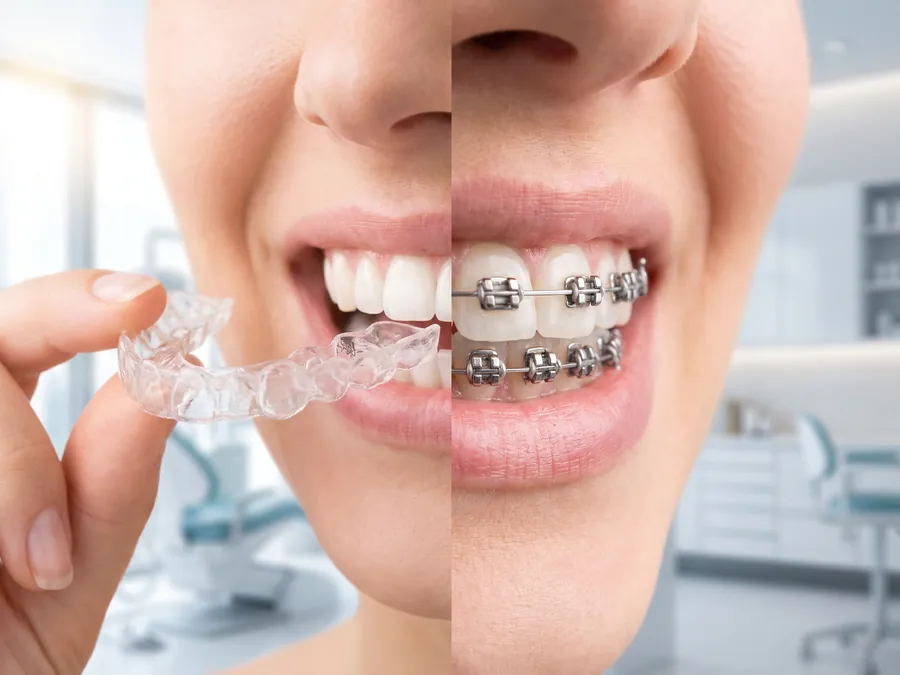
| Clear aligners | Almost invisible, removable, easy to clean | Must be worn about 22 hours a day |
| Ceramic (clear) braces | Less noticeable than metal, effective in all cases | Fixed; cleaning between teeth needs care |
| Metal braces | The most flexible option for complex cases | More visible |
For a detailed comparison, see clear aligners or braces?.
How long does adult orthodontic treatment take?
Mild crowding can be corrected in 6–12 months. Moderate to severe bite problems usually take 18–24 months, sometimes longer. With aligners, the time depends directly on how many hours a day you wear them. Check-ups are usually every 6–10 weeks.
What needs extra care in adult treatment?
- Any gum disease is treated first with gum treatment; teeth are not moved in inflamed gums.
- Teeth with bone loss are moved with lighter forces and checked more often.
- Implants do not move; if an implant is planned, its timing is set around the orthodontic plan.
- Aligner attachments and brackets are planned accordingly on crowned or heavily filled teeth.
- Root health is checked with X-rays during treatment when needed.
What happens after treatment?
At the end of treatment, retainers stop the teeth drifting back. Adults are usually advised to keep wearing retainers at night for the long term, often for life. See our guide to retainers after orthodontic treatment.
At Dent32, orthodontic treatment is planned by our founding dentist Dr Hüseyin Aşçı. Read our guide to orthodontics in Beylikdüzü or book an examination.
Frequently asked questions
Can I get braces after 40?
Yes. If your gums and bone are healthy, orthodontic treatment is possible in your 40s, 50s and beyond.
Is orthodontic treatment more painful for adults?
Not noticeably. There is some pressure for a few days after braces are fitted or a new aligner is started, and it passes quickly.
Can I have orthodontics if I have implants?
Yes. The implant will not move, but the other teeth can. If the implant has not been placed yet, it is usually better to place it after orthodontics.
Are clear aligners suitable for every case?
Most crowding and gaps can be treated with aligners. For some complex bite problems, fixed braces give a more predictable result.