Retainers after braces or clear aligners: how long do you need to wear them?
When orthodontic treatment ends, the teeth have not yet fully settled in their new positions; without retainers they can drift back, especially in the first months. That is why most patients get a thin fixed wire behind the front teeth, a clear retainer worn at night, or both. The safest way to keep the result in the long term is to keep wearing a retainer for life, at least at night.
Why do teeth move back after orthodontics?
Teeth are attached to the bone by elastic fibres. During treatment these fibres and the surrounding bone reorganise, and adapting to the new position takes months, or over a year for some fibres in the gum. Teeth that have been rotated are especially prone to turning back.
Even in people who never had orthodontics, teeth, especially the lower front teeth, tend to crowd naturally with age. A retainer protects against this change too.
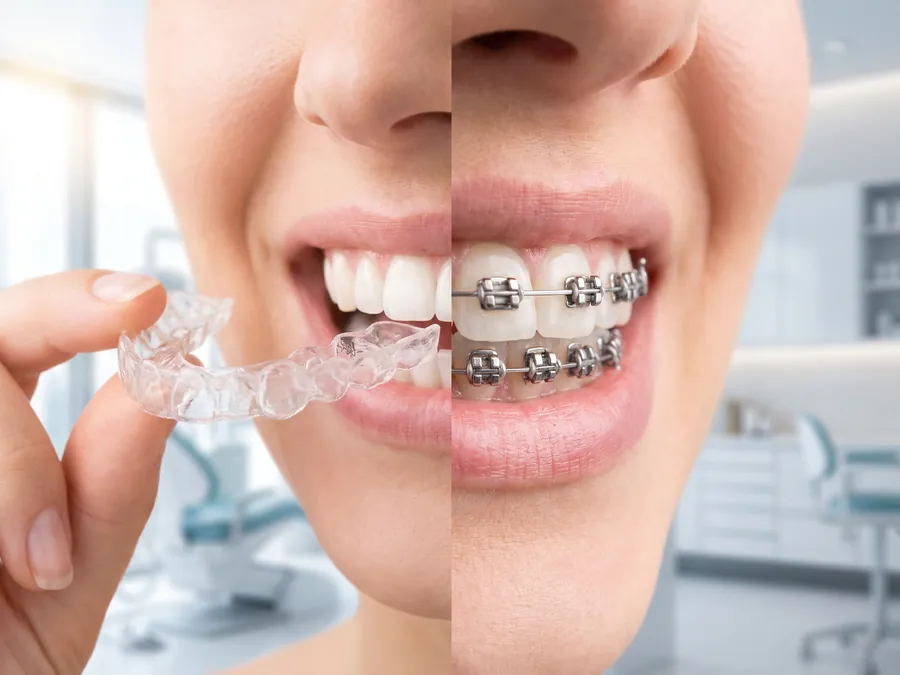
Fixed and removable retainers compared
| Type | Advantage | Disadvantage |
|---|---|---|
| Fixed bonded wire (behind the front teeth) | Invisible; nothing to remember | Cleaning between teeth needs care; a broken bond may go unnoticed |
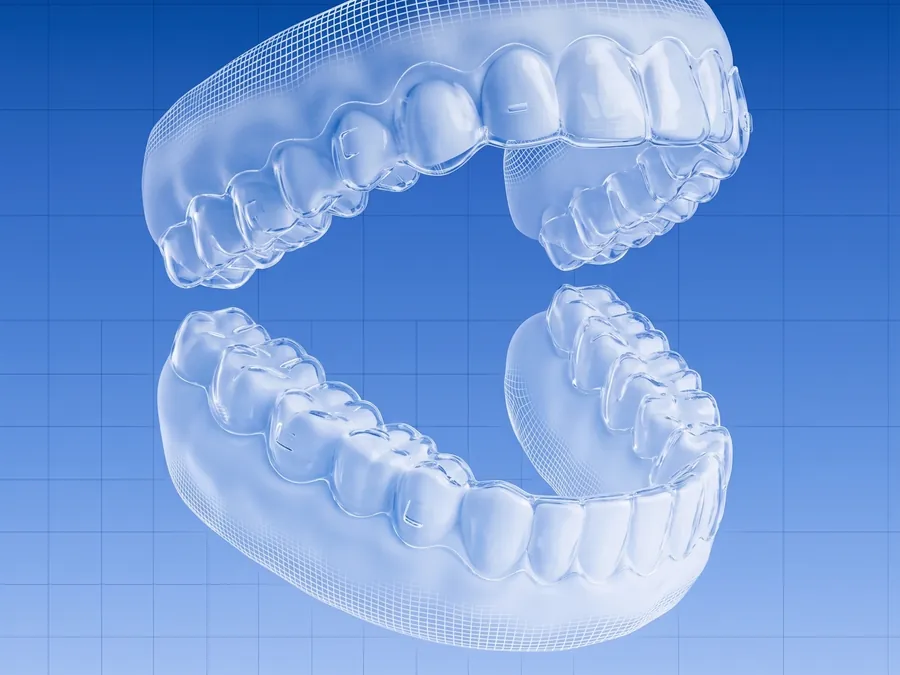
| Clear removable retainer | Invisible, easy to clean; covers all teeth | Needs discipline to wear; wears or cracks over time |
| Wire-and-acrylic removable retainer | Durable and adjustable | More noticeable when speaking; wire is visible |
Your dentist chooses the type or combination based on how crowded the teeth were, your gum health and your habits.
How long and how many hours a day should you wear a retainer?
Protocols vary by dentist and case, but a typical approach is:
- First 3–6 months after treatment: almost all day, except when eating and brushing
- After that: at night only
- Long term: for most patients for life, at least a few nights a week
- Fixed wire: can stay in place for years unless your dentist advises otherwise
How do you look after a retainer?
- Clean the retainer every morning with cold or lukewarm water and a soft brush; hot water warps it.
- Toothpaste can scratch the surface; use liquid soap or the cleaner your dentist recommends.
- Always keep it in its case when not wearing it; retainers wrapped in a napkin are the ones most often lost.
- Keep it away from pets.
- For a fixed wire, use a floss threader or interdental brushes, and have regular professional cleans to stop tartar building up.
What if a retainer breaks, is lost or feels tight?
If your retainer is lost or cracked, get a new one without delay; even a few weeks without it can let teeth move. If it feels tight after a few days without it, the teeth have started to shift; if you can still put it in without forcing it, wear it continuously and let your dentist know.
If one end of a fixed wire comes loose or detaches from a tooth, have it repaired within a week. Retention check-ups are usually every 6–12 months.
For the treatment itself, see orthodontics for adults. If your retainer is broken or lost, or you have noticed your teeth shifting, book an examination at Dent32 in Beylikdüzü.
Frequently asked questions
What happens if I don't wear my retainer?
Teeth can drift back towards their old positions, especially in the first months. Significant movement may need orthodontic treatment again.
When is a fixed retainer removed?
There is no set time; it can stay for years as long as it can be kept clean. If it is removed, a removable retainer is worn at night instead.
Can I eat with my retainer in?
Removable retainers come out for meals and hot drinks. It is best to take them out when drinking anything other than water.
Will a retainer affect my speech?
You may lisp slightly for the first few days; your tongue adapts quickly.