Dental treatment for older adults in Beylikdüzü: dentures, implants, medicines and dry mouth
Older age on its own isn't a barrier to implants or dental treatment; what matters is general health, medicines and the state of the bone. The most common problems in this age group are loose or uncomfortable dentures, decay on root surfaces and dry mouth caused by medicines. Giving the dentist a complete list of your medicines before treatment is the first step to safe planning.
Common mouth problems in later life
| Problem | Cause | What can be done |
|---|---|---|
| Loose dentures | Bone gradually shrinking after tooth loss | Relining, a new denture or securing it with implants |
| Root decay | Root surfaces exposed by gum recession, dry mouth | Fluoride toothpaste and varnish, early fillings |
| Dry mouth | Medicines for blood pressure, depression, allergies and diuretics | Frequent sips of water, sugar-free gum, saliva substitutes |
| Denture sores and thrush | Poorly fitting dentures, sleeping in dentures | Adjusting the denture, removing it at night, hygiene |
| Gum disease | Plaque, diabetes, reduced manual dexterity | Professional cleaning, an electric toothbrush, interdental brushes |
Why do your medicines matter?
- Blood thinners: Aspirin, warfarin and newer anticoagulants affect bleeding during procedures such as extractions. Don't stop them yourself; the decision is made with the doctor who prescribed them.
- Osteoporosis medicines: Bisphosphonates and similar medicines (tablets or infusions) can affect jawbone healing after extractions and implants. If you've ever taken them, always tell us.
- Diabetes: Well-controlled diabetes isn't a barrier to treatment; poorly controlled diabetes slows healing and speeds up gum disease.
- Heart conditions: With a prosthetic heart valve or some heart conditions, preventive antibiotics may be needed before procedures; this is decided together with your cardiologist.
Dentures or implant-retained dentures?
Securing a loose lower full denture with two or four implants can make a big difference to quality of life. The denture clicks onto the implants, making chewing and speaking more comfortable. With more implants, a completely fixed row of teeth is also possible. We explain the options in implant-supported dentures, All-on-Four in Beylikdüzü and dentures.
We answer common questions about age in who can get dental implants.
Home care and tips for family members
- If manual dexterity is reduced, an electric toothbrush or a thick-handled brush makes things easier.
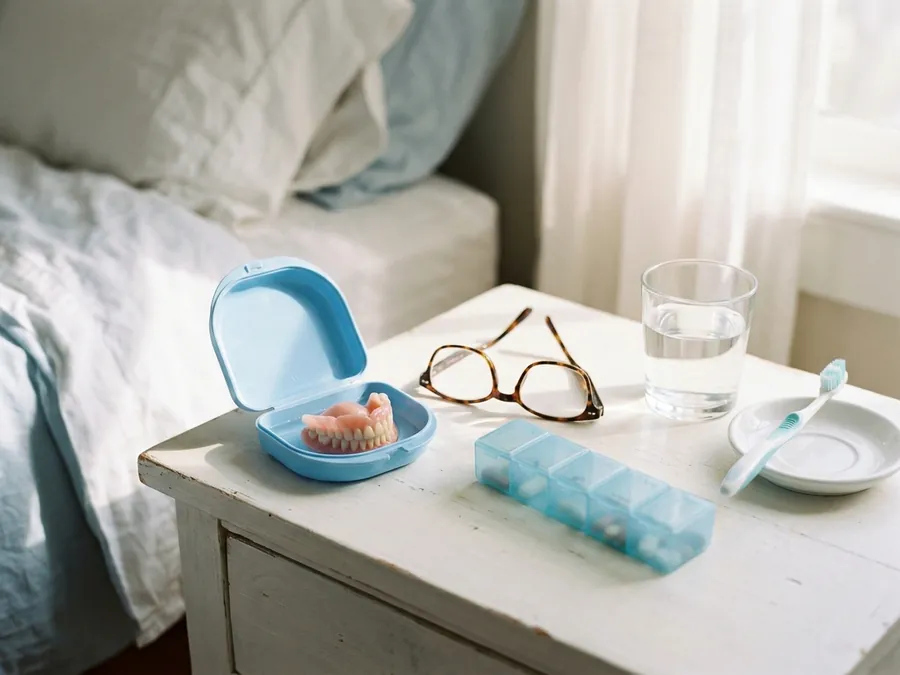
- Dentures should be taken out and brushed every evening, and kept overnight in water or water with a cleaning tablet.
- Gently brush the gums under the denture with a soft brush too.
- Fluoride toothpaste (including high-fluoride toothpaste if your dentist recommends it) reduces root decay.
- If you care for a relative's teeth, brushing from behind with their head supported can help.
- Everyone, including people with no teeth who wear dentures, should have a check-up at least once a year; denture fit and mouth sores are picked up at these visits.
Planning for older patients at Dent32
At the examination we ask in detail about your general health and medicines and, if needed, get in touch with your doctor. We prefer to split long procedures into several short sessions and book appointments at the time of day that suits you. Having a family member with you at the examination makes it easier to share information.
To book, WhatsApp or call +90 555 011 33 68. Dent32 is a dental clinic in Barış, Beylikdüzü, on the E-5 service road, open every day including weekends.
Frequently asked questions
Can you have implants at 80?
Age on its own isn't a barrier. If general health, medicines and bone allow, implants can be placed in later life too.
I take blood thinners. Can I have a tooth out?
In most cases yes. Don't stop the medicine yourself; the decision is made with your prescribing doctor and local bleeding control is used.
My denture keeps moving. What can I do?
The denture can be relined or replaced. For a lasting solution, securing it with two or more implants can be considered.
Should I sleep in my dentures?
Usually not. Taking them out at night lets the gums rest and reduces the risk of thrush.
Does dry mouth damage teeth?
Yes. Saliva protects against decay, so dry mouth increases the risk. Drinking water often and using fluoride products helps.