
Electric or manual toothbrush? Can a water flosser replace dental floss?
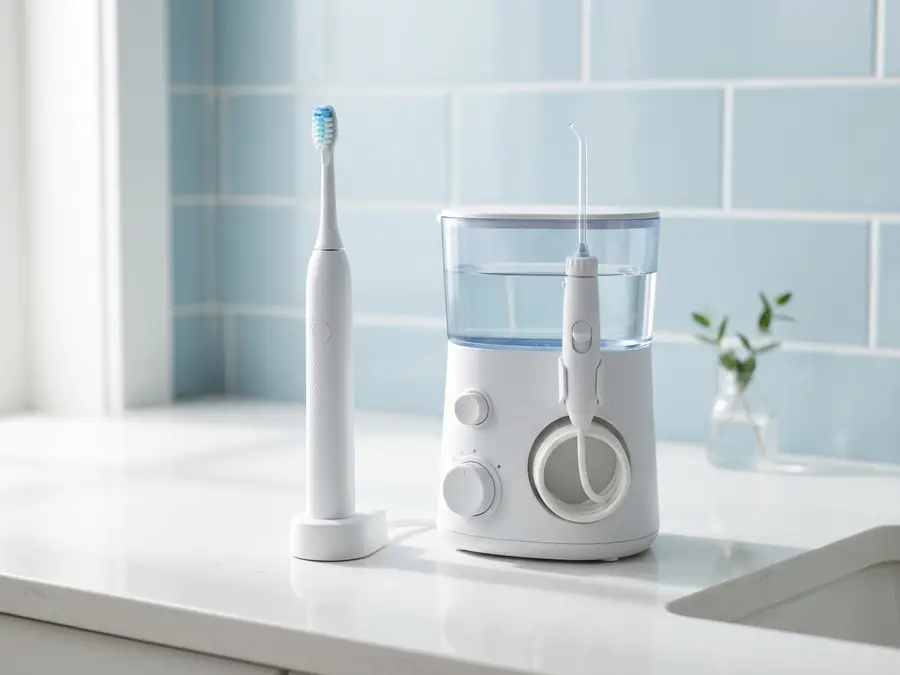
Used with good technique, a manual brush cleans teeth well; but studies show that electric brushes, especially those with rotating-oscillating heads, reduce plaque and gum inflammation slightly more than manual brushes. An electric brush is particularly helpful for people with limited dexterity, people with braces and those who brush too hard. A water flosser doesn't fully replace floss, but it is a great help around implants, bridges and braces, where cleaning is difficult.
Electric and manual brushes compared
| Manual brush | Electric brush | |
|---|---|---|
| Plaque removal | Good if technique is right | Usually slightly more effective |
| Depends on technique | Heavily | Less; the brush does the movement |
| Risk of brushing too hard | Yes | Pressure-sensor models warn you |
| Timing | None | Most have a 2-minute timer |
| Cost | Low | Device and replacement heads |
Who benefits most from an electric brush?
- People with braces (cleaning around brackets)
- People with arthritis or limited dexterity
- People who brush hard and have receding gums (with a pressure sensor)
- Children and teenagers who brush too briefly (with a timer)
Choosing an electric brush
- Soft bristles and a small head
- A pressure sensor and a 2-minute timer
- Replace the head about every three months, or when the bristles splay
- Don't press the brush against the teeth; hold it on each tooth for a few seconds and move on
What does a water flosser do?
A water flosser uses a pressurised jet of water to remove food debris from between the teeth and along the gum line. It doesn't remove sticky plaque from tooth surfaces as well as floss, so it's best used together with floss or interdental brushes where possible. For people who can't use floss, it's a good alternative.
- Implants and implant bridges: under the bridge and around the implants. See caring for All-on-6 and All-on-8.
- Fixed bridges: under the false tooth.
- Braces: around brackets and wires. See living with braces.
- Gum pockets: care after gum treatment.
Which is best for cleaning between teeth?
Floss works best in tight gaps; interdental brushes are more effective in wider gaps and where gums have receded. We can show you which suits you at your examination. More: guide to brushing, flossing and interdental brushes.
Scale and polish and check-ups in Beylikdüzü
Tartar doesn't come off with a toothbrush; a check-up every six months and a professional clean if needed are recommended. See scale and polish in Beylikdüzü.
Dent32 is at Barış Mah., Ginza Lavinya, E-5 Yanyolu No:30 D:179, 34520 Beylikdüzü, Istanbul and is open seven days a week. To book, call or WhatsApp +90 555 011 33 68, or use our contact page. At the examination we share the findings, the options and the approximate cost in writing; you are under no obligation to start treatment afterwards.
Frequently asked questions
Can an electric toothbrush damage the gums?
Not when used properly. Use a soft head without pressing; pressure-sensor models warn you if you press too hard.
Can a water flosser replace floss?
Not entirely. A water flosser is good at flushing out debris, but floss or interdental brushes remove sticky plaque better. Using both is ideal.
Can children use electric toothbrushes?
Yes, there are models with small heads designed for children. An adult should still supervise brushing.